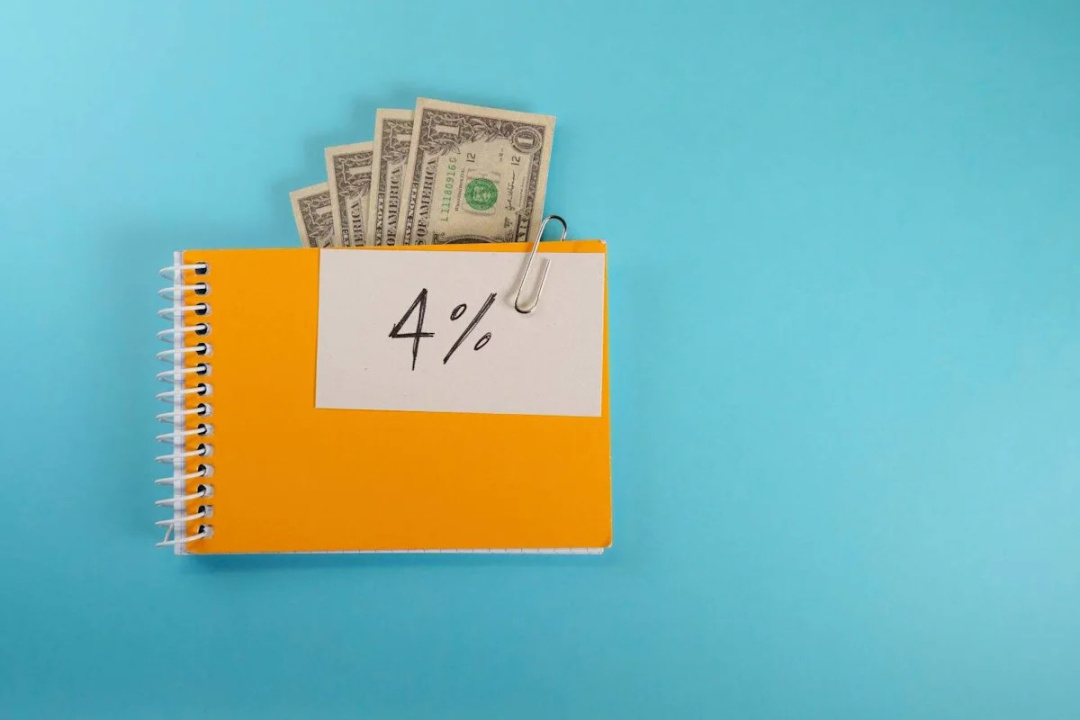
The 4% rule is a guideline for retirement withdrawals, suggesting that retirees can withdraw 4% of their portfolio in the first year and adjust for inflation thereafter. This article examines the rule's effectiveness based on historical data from the S&P 500, highlighting its su…
Inflation can significantly alter retirement plans, affecting spending, savings targets, and withdrawal strategies. As costs rise, individuals may need to reassess their financial…
The 4% rule suggests that a $1 million retirement portfolio can provide $40,000 annually. However, inflation, taxes, and rising healthcare costs significantly diminish this amount…
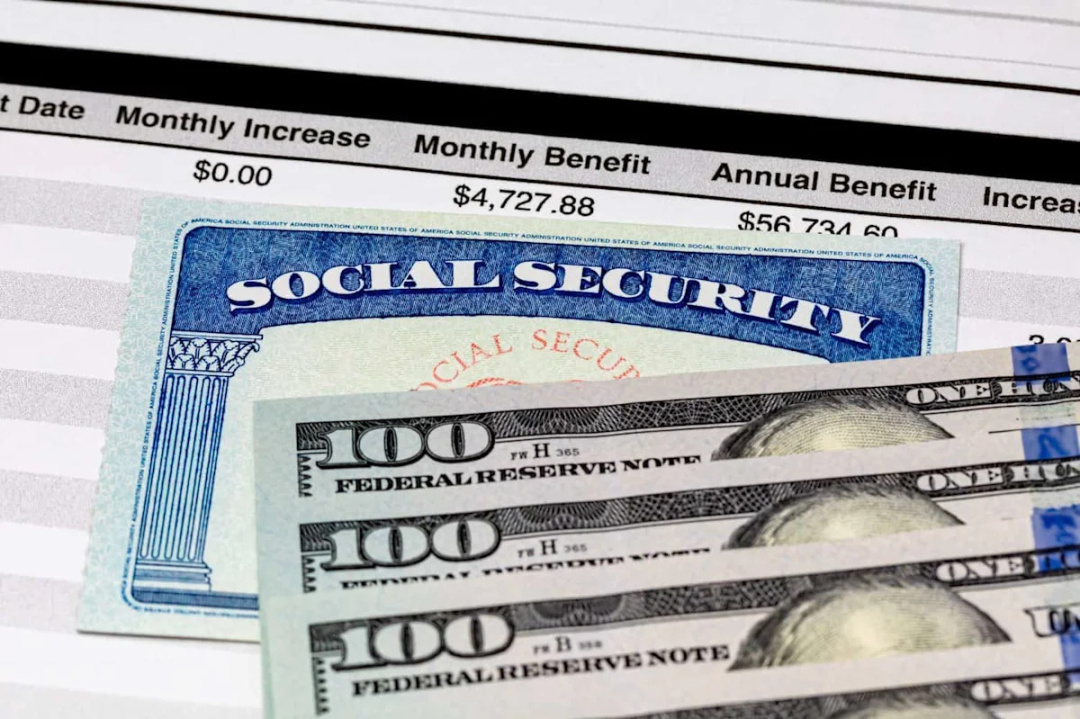
Delaying Social Security benefits from age 62 to 70 results in approximately $158,000 in missed payments, yet offers a significantly higher monthly benefit. This strategy is compa…
As inflation continues to erode purchasing power, more retirees are moving away from traditional 40% bond allocations in favor of dividend-paying stocks. This shift is driven by t…
Reaching a $1 million retirement portfolio is often viewed as a significant milestone, but it may not guarantee a comfortable retirement. With rising costs in food, transportation…
The latest crypto 401(k) rule is under review, allowing employers to freely choose whether to jeopardize retirement savings with crypto. Meanwhile, employees can enjoy the suspens…
As many Americans experience significant salary increases, the financial implications can be complex. Experts suggest that while higher pay can lead to improved financial security…
This article examines how the same Apple shares held in a Traditional IRA versus a Roth IRA can lead to significantly different tax outcomes upon withdrawal. While both accounts a…
Expectations for women’s retirement planning have escalated, with new guidelines mandating a flawless financial readiness profile that even experts struggle to define.
The Schwab U.S. Large-Cap Growth ETF (SCHG) has seen a significant decline in performance in 2026, with a year-to-date return of only 9%, lagging behind the S&P 500's 13% and QQQ'…
 Ceto Fund