Geopolitical Tensions Drive Up Crude Oil Prices
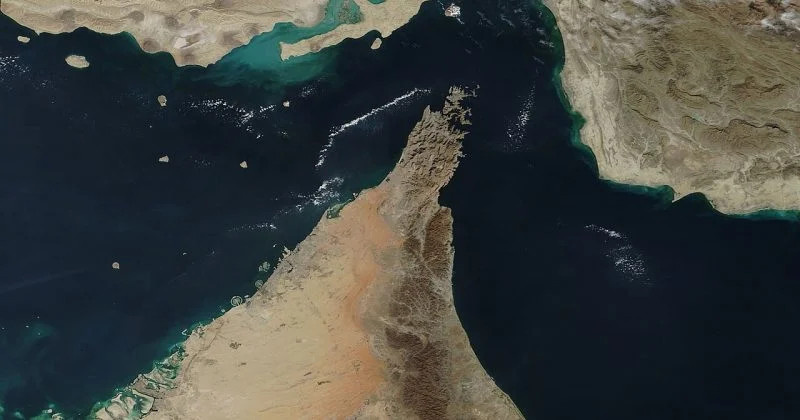
The Strait of Hormuz is currently facing significant disruptions that have led to a sharp increase in crude oil prices. Brent crude has risen by 3.8%, reaching $78.86 per barrel, while West Texas Intermediate (WTI) crude has seen a 4.1% increase, now priced at $74.36 per barrel. This strait is a crucial chokepoint for global oil trade, and the ongoing geopolitical tensions have resulted in a marked reduction in vessel transits.
Market participants are closely monitoring the upcoming OPEC Monthly Oil Market Report, which is anticipated to shed light on the current supply constraints affecting the oil market. Additionally, Kuwait and ADNOC have announced their crude pricing for August, and Iran has lifted restrictions on petrochemical product exports, which could further influence market dynamics.
Market Reading & Resources
Sponsor funding complete. Trade on.
As the situation evolves, analysts expect the OPEC report to provide critical information regarding any potential production adjustments that could impact oil prices. Furthermore, developments in the geopolitical landscape surrounding the Strait of Hormuz, particularly any signs of easing tensions, may also play a significant role in shaping the price trajectory. Broader economic indicators, including the U.S. Monthly Budget Statement and comments from the Federal Reserve, are likely to provide additional context for energy markets moving forward.