Indonesia's October Inflation at 3.23 Percent, Government Unconcerned
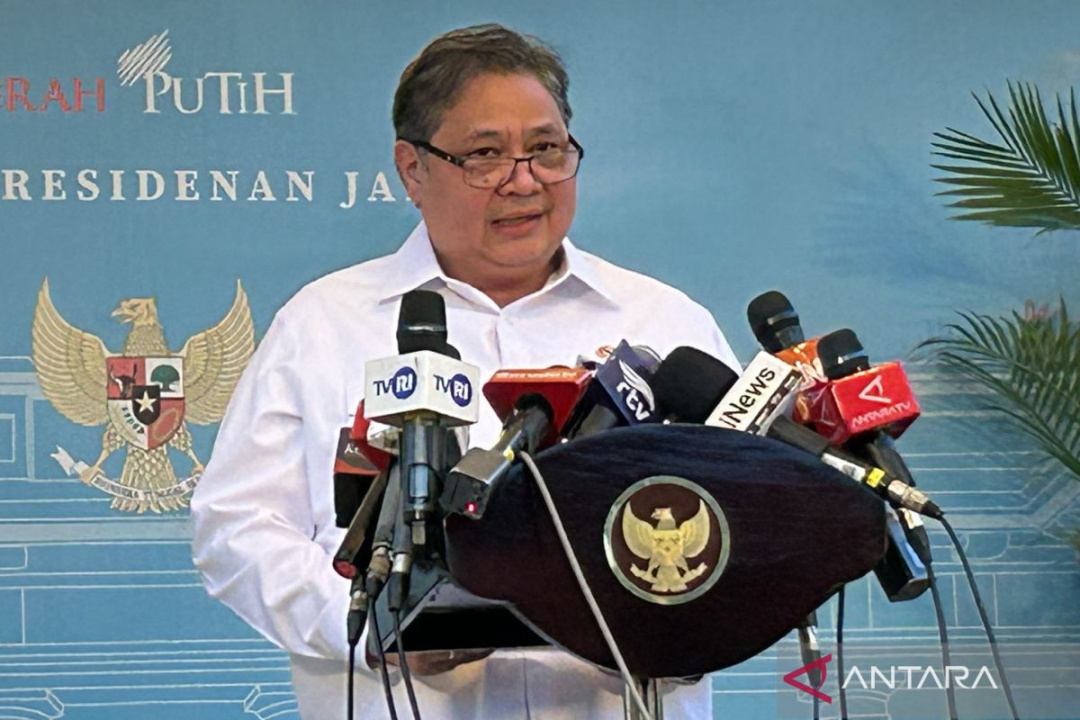
Coordinating Minister for Economic Affairs Airlangga Hartarto announced that the Indonesian government is not concerned about the inflation rate for October 2026, which has reached 3.23 percent year-on-year. This figure is close to the upper limit of the government's target range of 2.5 percent, plus or minus 1 percentage point. Hartarto emphasized that inflation remains manageable and within the government's expectations after a meeting with President Prabowo Subianto.
The minister highlighted that the increase in inflation is also linked to rising commodity prices, which can affect farmers' incomes. He reiterated that the government is monitoring the situation closely and believes that the current inflation rate is still acceptable. To ensure price stability and protect consumers' purchasing power, the government is implementing several initiatives, including distributing 30 kilograms of rice aid to each family.
Market Reading & Resources
Sponsor funding complete. Trade on.
In addition to the rice aid, the government is preparing a social assistance program valued at approximately Rp30 trillion (around US$1.65 billion) and offering special discounts in anticipation of the Christmas 2026 and New Year 2027 holidays. Hartarto noted that these measures are designed to stimulate domestic consumption, which is crucial for economic growth as the year comes to a close.
Government Confident in Inflation Management Strategies
According to government reports, the inflation rate for October 2026 was recorded at 3.23 percent annually and 0.22 percent month-to-month. Year-to-date inflation stands at 2.4 percent. The primary contributors to inflation pressures are volatile food prices, particularly for commodities like cayenne pepper and fresh fish, as well as transportation costs, especially in air travel. Core inflation is reported at 2.56 percent, while government-administered price inflation is at 3.24 percent, and volatile price inflation has reached 5.81 percent.
The government remains optimistic that its various intervention programs will help maintain price stability and safeguard the purchasing power of the population through the end of 2026.