Government Spending Cuts: A Potential Strategy Against Inflation
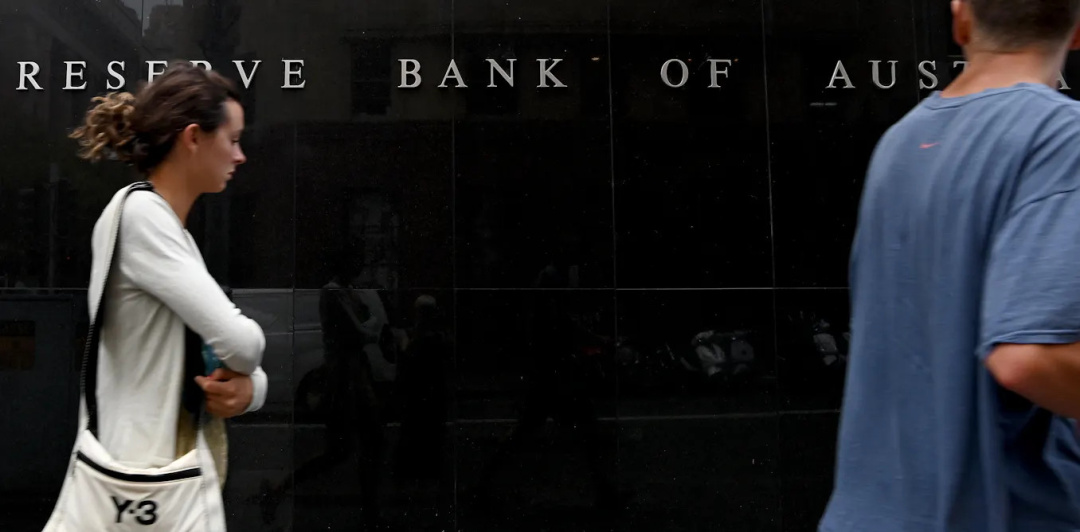
Amid ongoing inflation concerns, the Australian government is facing scrutiny regarding its fiscal policies. Economists are debating whether government spending cuts could serve as a viable strategy to control inflation. The Reserve Bank of Australia is expected to increase interest rates soon, marking the fifth hike this year, as inflation remains a pressing issue.
The relationship between government spending and inflation is complex. On one hand, reducing government expenditure could lower demand in the economy, potentially easing inflationary pressures. On the other hand, significant cuts could lead to reduced public services and economic slowdown, which may have adverse effects on growth and employment.
Market Reading & Resources
Sponsor funding complete. Trade on.
Critics argue that while spending cuts might help in the short term, they could undermine long-term economic stability. They emphasize the importance of balancing fiscal responsibility with the need to support economic growth. The government must consider the potential consequences of spending cuts on various sectors, including health and education, which are vital for maintaining public welfare.
Evaluating the Impact of Spending Cuts on Economic Stability
As the government navigates these challenges, it is essential to assess the broader economic context. Factors such as global economic trends, consumer confidence, and employment rates will play a crucial role in determining the effectiveness of any proposed spending cuts.
In conclusion, while government spending cuts may offer a pathway to address inflation, the potential risks and benefits must be carefully weighed. Policymakers are tasked with finding a balance that supports economic stability while addressing the urgent need to control inflation.