Rediscovering Iconic Cars from the 1980s
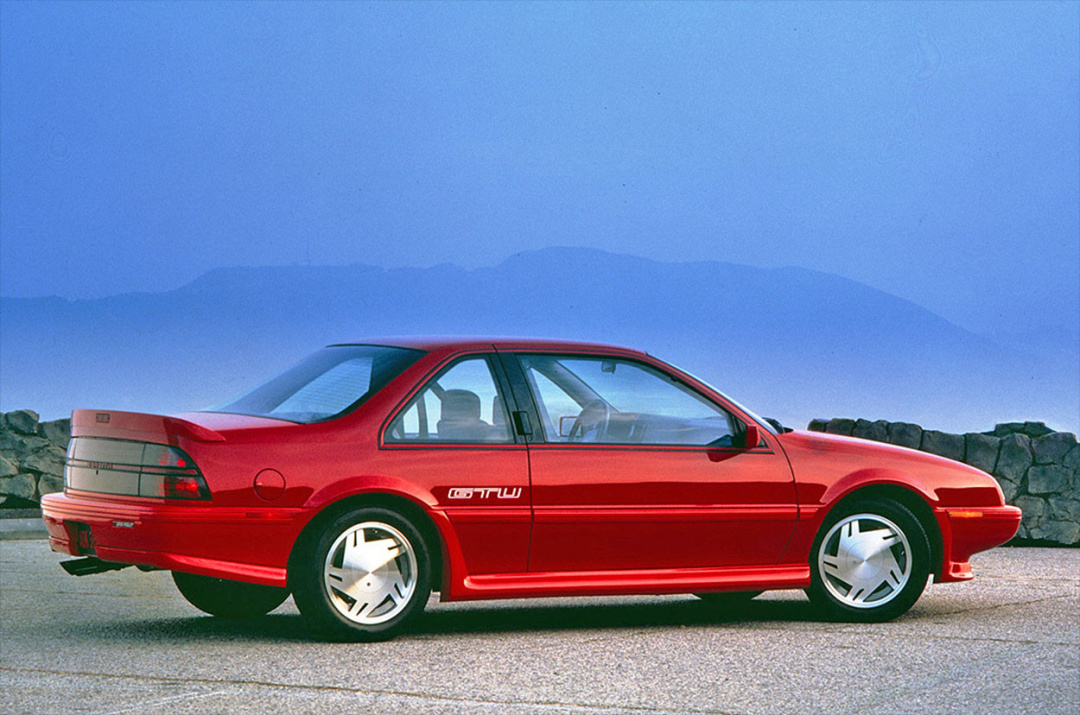
The 1980s were marked by economic challenges, including wars, high fuel prices, and rampant inflation, which influenced the automotive landscape. This article celebrates a selection of cars from that decade, many of which have been forgotten over time. The Subaru Brat, for instance, was marketed in America as 'Fun on Wheels' and sold over 100,000 units from 1977 to 1994, gaining a reputation for reliability that helped Subaru thrive in the U.S. market.
Mitsubishi's partnership with Chrysler led to the creation of the Conquest, which offered impressive features and a fuel economy of 40 mpg, yet it faded from memory as the companies' relationship changed. Harold Dermott's Midas aimed to capture the affordable sports car market with the Bronze and Gold models, but a devastating factory fire in 1989 halted production, despite the cars receiving acclaim for their innovative design.
Market Reading & Resources
Sponsor funding complete. Trade on.
Alfa Romeo's 6 sedan faced challenges due to the oil crisis, leading to a delayed launch that left it looking outdated by the time it hit the market. With only about 12,000 units produced by 1987, it struggled with high fuel consumption. Buick's Century Turbo, despite its motorsport pedigree and sporty design, failed to attract younger buyers, resulting in fewer than 2,000 sales over two years.
The Cipher, designed by Professor Anthony Stevens, was a lightweight sports car that inspired the Mazda MX-5 but never reached production due to funding issues. Chevrolet's X-11, a performance variant of the Citation, sold only 20,000 units out of 1.54 million Citations, while the Chrysler Laser attempted to capture the future with its digital dials and sporty performance but ultimately fell short of expectations.
The Ford EXP was a sporty alternative to the Escort, selling 225,000 units, but its legacy was more about its factory's ingenuity than its road presence. Lincoln's diesel-powered Continental was an obscure footnote in the brand's history, as it failed to attract buyers despite the option being available for a brief period.
Isuzu's Impulse, styled by Giorgetto Giugiaro, was ahead of its time but struggled to find a market, leading to its discontinuation after six years. The Marcos Mantula, despite its performance capabilities, was overshadowed by its kit car reputation, and only 289 were produced. The Pontiac Fiero, once seen as a promising sports car, faced production issues and recalls, leading to its demise after 370,000 units.
Citroën's CX made a brief return to the American market through modifications by CX Automotive, but high costs limited its sales. Volvo's 780 coupe, a collaboration with Bertone, was a stylish offering that ended production in 1990, while Naylor's modern MG TF failed to compete with more affordable options.
Ford's Merkur brand attempted to introduce the Sierra XR4i to the U.S. market but ultimately retired it in 1989 after importing about 42,000 units. These vehicles, while not all successful, reflect the diverse and innovative spirit of the automotive industry during the 1980s, each with a unique story that deserves recognition.