Media Questions on Democratic Policies and Affordability
Democrats have made promises to lower costs for Americans, yet there is a notable absence of media inquiries into how these promises align with the realities of inflation and economic policy under President Biden. Many reports criticizing former President Trump for affordability issues fail to acknowledge that Democrats supported Biden's policies during a period of rising prices, which has left many Americans struggling financially.
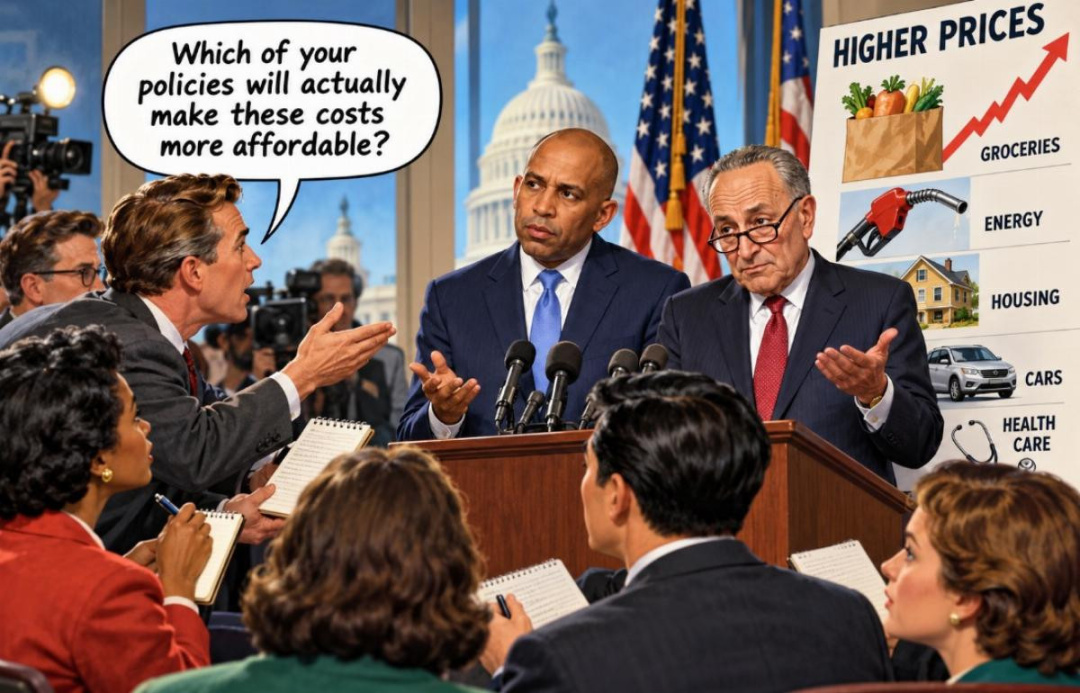
House Democrat Leader Hakeem Jeffries has stated a commitment to making grocery, gasoline, housing, and healthcare more affordable. Similarly, Senate Democrat Leader Chuck Schumer has vowed to lower costs while managing Trump’s influence. However, it raises the question: what specific policies would they change or implement to achieve these goals? Journalists should be pressing for clarity on these issues.
Market Reading & Resources
Sponsor funding complete. Trade on.
The economic landscape has been shaped significantly by past policies. For instance, the Obama administration oversaw one of the slowest recoveries in modern history, and the economy was already on a recovery path by late 2020, with inflation at just 1.4%. This context raises questions about why Democrats portrayed Biden as inheriting a failing economy, justifying a $1.9 trillion stimulus bill despite signs of recovery.
The media's reluctance to investigate the implications of Biden's policies during the inflation surge, which peaked at 9.1% in 2022, is concerning. The Federal Reserve's response to inflation, including interest rate hikes, has made major purchases less affordable for many Americans. Furthermore, while inflation may be lower now, it does not mean that prices have returned to previous levels, a nuance often overlooked in media discussions.
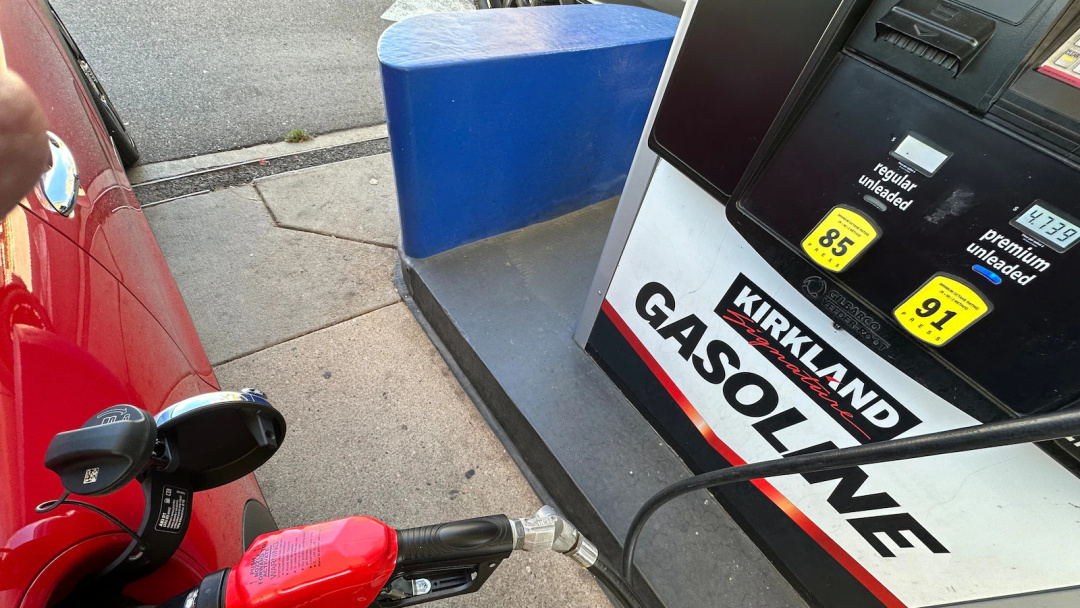
Energy prices, which affect nearly all consumer goods, also warrant scrutiny. Under Trump, policies encouraged domestic oil production, leading to lower prices. However, crude oil prices surged from $36 per barrel in October 2020 to $87 in January 2022, partly due to Biden's energy policies. The media should explore how these policies have impacted prices and whether Democrats have viable alternatives to fossil fuels that would not further burden consumers.
The impact of government regulations on business costs is another area needing examination. Increased mandated wages and union requirements can lead to higher costs for consumers. Journalists should investigate how these policies affect affordability for middle-class Americans and small businesses.
December Takes Center Stage
In the realm of groceries, prices have risen significantly since December 2020, with a 25% increase noted by December 2024. This raises questions about the accountability of Democrats and their media allies, who often blame Trump for these increases while ignoring the context of Biden's policies.
Housing affordability is similarly complex. The influx of illegal immigrants during Biden's presidency has increased demand for housing, contributing to rising prices. The median price of new homes has seen substantial increases, and the media should be reporting on these dynamics rather than solely attributing blame to Trump.
Healthcare costs present another critical issue. Despite Democratic claims of making healthcare affordable, premiums for employer-sponsored family plans have skyrocketed, far outpacing general inflation. The role of government subsidies in driving up costs should be a focal point for journalists seeking to understand the true state of healthcare affordability.
Accountability in Political Promises and Media Reporting
Illinois serves as a case study in the disconnect between campaign promises and actual governance. While Democrats tout the elimination of a small grocery tax, they have simultaneously enacted numerous tax increases that significantly impact taxpayers. This contradiction highlights the need for accountability and transparency in political promises.
Ultimately, the media has a responsibility to ask tough questions of both parties regarding their policies and their impacts on affordability. Without this scrutiny, the public remains uninformed about the realities of economic policies and their consequences.