Bank of Japan Confirms Inflation Reaches 2 Percent Target After 13 Years
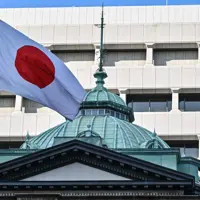
The Bank of Japan announced on October 30 that inflation has reached its 2 percent target, a goal set over 13 years ago to help lift the economy out of a prolonged deflationary period. The central bank's commitment to this target began in 2013, coinciding with the introduction of extensive monetary easing measures aimed at stimulating economic growth.
While core consumer inflation had occasionally surpassed the target in the early 2020s, this announcement marks the first official confirmation from the Bank of Japan that the long-sought price stability target has been achieved. The central bank stated on its website that the underlying Consumer Price Index (CPI) inflation is now consistent with the 2 percent target and is expected to remain around that level.
Market Reading & Resources
Sponsor funding complete. Trade on.
In conjunction with this announcement, the Bank of Japan decided to maintain its key interest rate at 1.25 percent, following an eight-to-one majority vote among its policymakers. This decision aligns with recent actions taken by the U.S. Federal Reserve and the European Central Bank, which also opted to keep their policy rates unchanged.
Future Interest Rate Hikes Anticipated Amid Rising Inflation Trends
Looking ahead, Japanese officials are anticipated to consider an interest rate hike in December as inflationary pressures continue to build. Recent data indicated that Japan's core inflation rate rose to 2.1 percent in September, up from 1.7 percent in August, reflecting a growing trend in price increases.
The economic landscape in Japan is evolving, and the Bank of Japan's latest announcement is a pivotal moment in its monetary policy history. As the country navigates these changes, the implications for future economic strategies and consumer behavior will be closely monitored.