Gold Prices Decline Amid Rising Oil Prices and Inflation Concerns
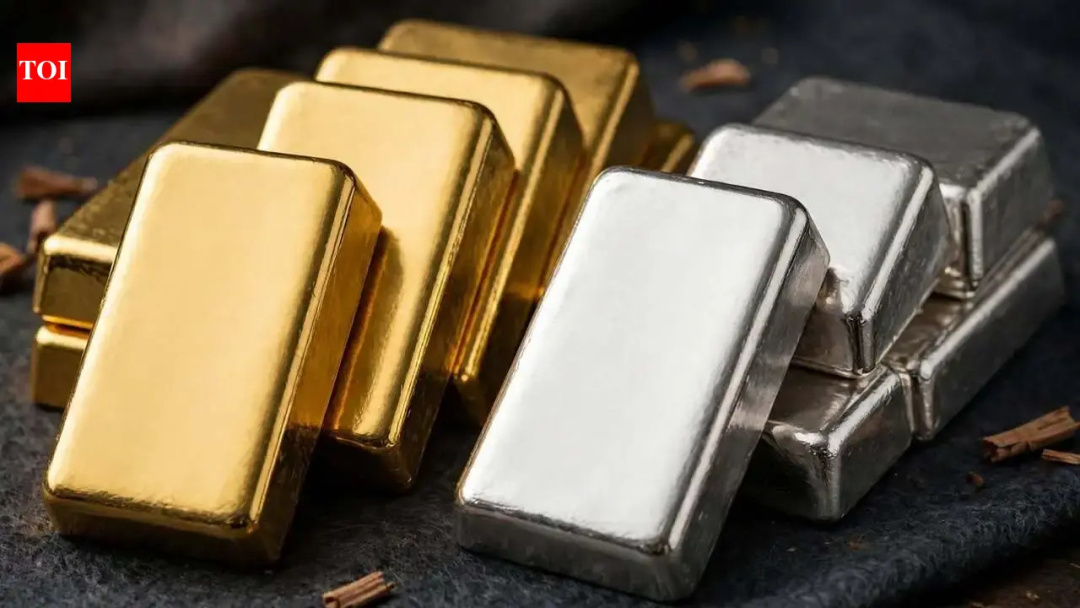
Gold prices dropped below $4,000 an ounce on October 30, as rising oil prices and ongoing inflation in the United States intensified expectations for a Federal Reserve interest rate increase before the end of the year. Spot gold was recorded at $3,997.39 an ounce, reflecting a 0.6 percent decline, while U.S. gold futures for December delivery also fell by 0.6 percent to $4,007.80.
This decline marks the second consecutive monthly decrease for gold, with traders estimating a 75 percent likelihood of a rate hike in December, according to the CME Group’s FedWatch tool. Recent U.S. data indicated that the personal consumption expenditures price index rose by 0.5 percent in September, up from 0.3 percent in August, and was 3.6 percent higher than the previous year, surpassing the Fed's 2 percent inflation target.
Market Reading & Resources
Sponsor funding complete. Trade on.
Excluding food and energy, prices increased by 3.1 percent year-over-year, as reported by the Bureau of Economic Analysis. The Federal Reserve maintained its benchmark interest rate at 3.75-4 percent on October 28, although two policymakers advocated for a quarter-point increase, citing persistent inflation.
Gold's Decline Raises Questions About Technical Support Levels
The attractiveness of gold diminishes when interest-bearing asset returns rise, as gold does not yield interest. Tim Waterer, chief market analyst at KCM Trade, noted that gold's recent decline raises significant questions about its technical support around the $4,000 mark. While buying on price dips had previously limited losses, it remains uncertain whether this trend will continue to support gold prices.
Inflationary Pressures Intensify Amid Rising Oil Prices
In the oil market, prices are on track for a fourth consecutive monthly gain, driven by supply concerns following attacks on Saudi Arabia. The Iran-aligned Houthis claimed responsibility for attacks on several Saudi oil facilities on October 29. Higher energy costs are likely to sustain inflation through increased transportation and production expenses, putting additional pressure on central banks to maintain tight monetary policies.
In Japan, core inflation in Tokyo remained above the Bank of Japan's 2 percent target in October, reflecting similar trends in other economies. Other precious metals also experienced declines, with spot silver falling 2.1 percent to $51.27 an ounce, platinum decreasing by 1.9 percent to $1,458.85, and palladium dropping 2 percent to $986.08. All three metals are projected to end the week and month with losses.