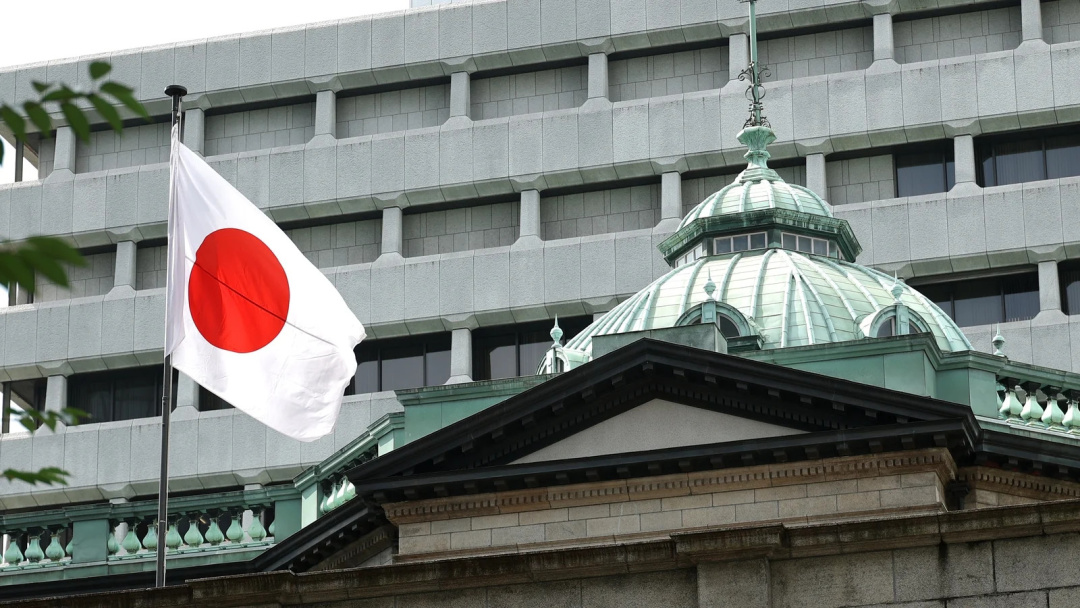
Bank of Japan Reports Underlying Inflation Hits 2% Target for First Time
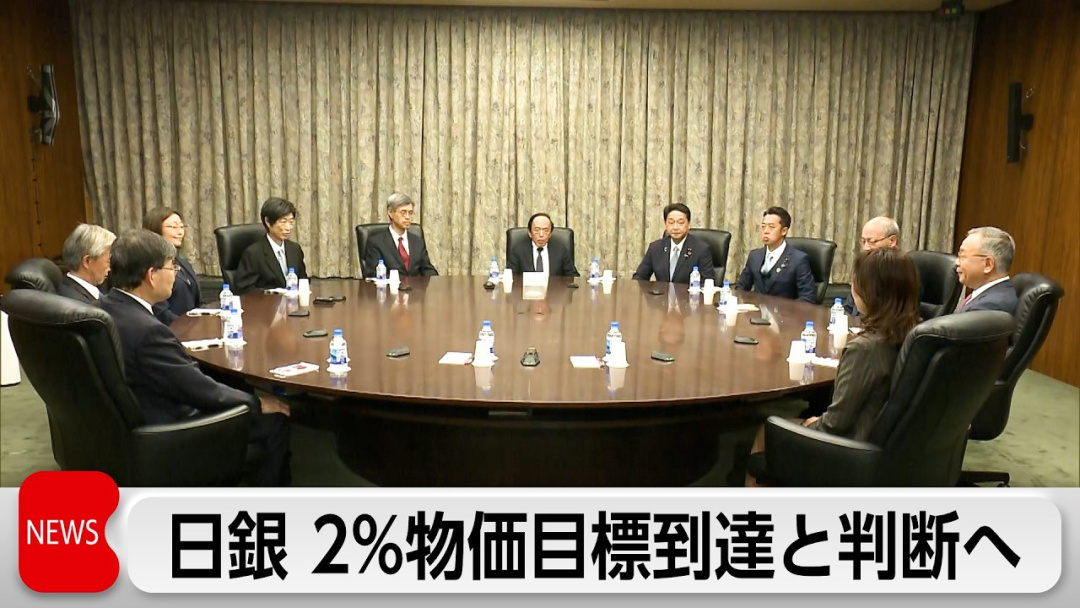
The Bank of Japan announced on October 30th that underlying inflation has effectively reached its 2% target for the first time since the goal was introduced in 2013. This marks a significant milestone in the country's efforts to achieve sustained price growth while keeping its benchmark interest rate unchanged at 1.25%. Policymakers are currently assessing the impact of last month's rate increase.
In its latest Outlook Report, the central bank indicated that the underlying rate of inflation, which excludes temporary factors affecting consumer prices, has reached a level that is broadly consistent with the 2% price stability target. This assessment represents the first formal recognition by the BOJ that underlying price growth has effectively reached the target since its adoption in 2013. Unlike headline inflation, which can fluctuate due to temporary increases in food and energy prices, underlying inflation aims to reflect more persistent price trends across the economy.
Market Reading & Resources
Sponsor funding complete. Trade on.
During its monetary policy meeting, the BOJ decided by a majority vote to maintain its short-term policy interest rate at 1.25%. This decision follows an increase at the previous meeting in September, where borrowing costs were raised for the first time in three months. The choice to leave rates unchanged is intended to allow policymakers more time to evaluate the economic and financial effects of the recent increase before considering further monetary tightening.
The Role of Rate
However, board member Hajime Takata proposed raising the policy rate to 1.5%, arguing that underlying inflation has already reached the central bank's price stability target. He suggested that monetary policy has entered a new phase that requires a faster pace of interest rate increases. Takata's proposal was ultimately rejected by a majority of the policy board, highlighting differing opinions among members regarding the speed of further tightening.
Accelerated ETF Sales Signal Shift in BOJ's Monetary Strategy
In addition, the BOJ has decided to accelerate the sale of exchange-traded funds (ETFs) that were accumulated during years of monetary easing. The new plan will significantly increase the pace of ETF sales from approximately 330 billion yen to 860 billion yen in book value terms, more than doubling the previous rate. This faster disposal schedule is expected to reduce the time required to sell the central bank's ETF holdings from approximately 112 years to 43 years, marking a substantial acceleration in the unwinding of assets purchased under earlier monetary stimulus programs.
With underlying inflation now considered broadly consistent with its long-standing target, the central bank is likely to continue raising interest rates to prevent excessive price increases and maintain inflation at a sustainable level around 2%. Attention is now focused on BOJ Governor Kazuo Ueda's news conference on October 30th, where investors and economists will closely examine his comments for indications of how quickly further interest rate increases may follow. Ueda's assessment of inflation risks and the effects of previous tightening will be crucial as the central bank shifts from achieving its inflation target to ensuring stable price growth without placing excessive pressure on economic activity.