Gold Prices Decline Amid U.S.-Iran Strikes and Rising Oil Costs
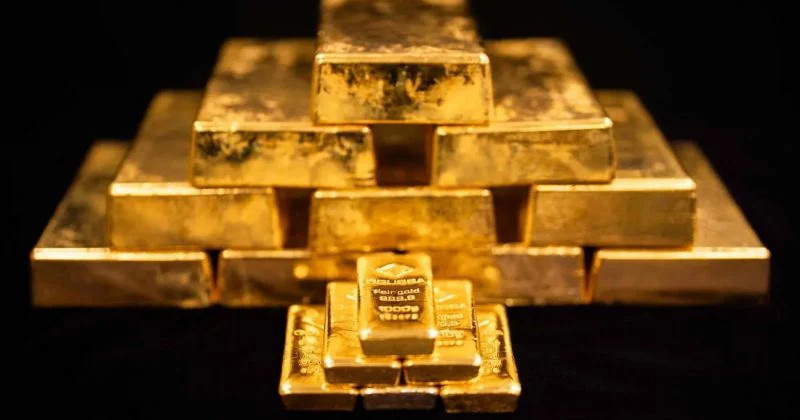
Gold prices have seen a slight decline, falling to $4,118.71 per ounce, a decrease of 0.10%. This drop comes in the wake of renewed strikes between the U.S. and Iran, which have raised concerns about energy supply disruptions in the Middle East. As a result, Brent crude oil prices surged nearly 8%, reaching $79 per barrel. The Strait of Hormuz, a critical passage for global oil and liquefied natural gas, is particularly vulnerable amid fears of extended hostilities. The inflationary pressures resulting from this conflict have led to increased speculation that the Federal Reserve may adopt a more hawkish stance regarding interest rates, with a potential rate hike anticipated by October under the leadership of Chair Kevin Warsh. This situation places additional pressure on gold, which does not yield interest, as it competes with interest-bearing assets such as U.S. Treasuries. The upcoming Federal Reserve meetings are expected to play a significant role in shaping market expectations regarding interest rate decisions, especially in light of the current geopolitical tensions. Analysts will be watching for any changes in the Fed's language or policy direction that could impact inflation expectations and interest rate forecasts. Furthermore, developments in the U.S.-Iran conflict are likely to continue influencing energy prices and inflation, which in turn could affect gold and broader market dynamics. Market participants are keenly awaiting updates on potential peace agreements or further escalations in the Middle East, as these developments could significantly alter current pricing expectations.
Market Reading & Resources
Sponsor funding complete. Trade on.