The Global Impact of the Great Depression: From Germany to India
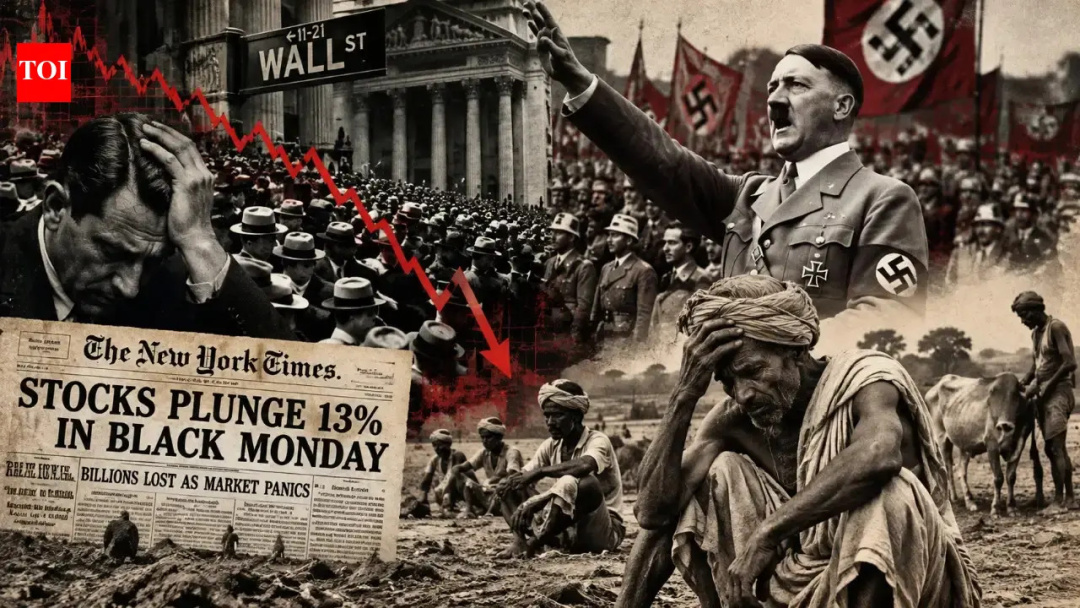
In October 1929, the American stock market crash triggered a global economic disaster, marking the onset of the Great Depression. This event not only devastated the U.S. economy but also had profound effects worldwide, particularly in Germany and India. The collapse of the stock market, characterized by a dramatic fall in the Dow Jones Industrial Average, led to bank failures and widespread unemployment in the United States, which in turn affected international trade and financial stability.
Germany, already struggling with the aftermath of World War I, faced a severe economic crisis as American loans dried up. The withdrawal of financial support exacerbated the situation, leading to soaring unemployment and political instability. By 1932, millions of Germans were out of work, creating fertile ground for extremist political movements. Adolf Hitler and the Nazi Party capitalized on the public's desperation, promising economic recovery and national revival, which significantly increased their electoral support.
Market Reading & Resources
Sponsor funding complete. Trade on.
Meanwhile, in British-ruled India, the Great Depression turned a global crisis into a rural emergency. As agricultural prices plummeted, farmers struggled to meet their debts and obligations, leading to widespread financial distress. The economic hardships intensified resentment against colonial rule, prompting the Indian National Congress to declare complete independence as its goal. Mahatma Gandhi's Civil Disobedience Movement emerged during this period, challenging British economic policies and advocating for self-reliance.
Britain's Struggles Amid Economic Turmoil
The crisis also had significant implications for Britain, where traditional industries faced declining demand. Unemployment surged, reaching nearly 3.5 million by 1932, as the government struggled to respond effectively to the economic downturn. The introduction of a means test for unemployment assistance further fueled public discontent, highlighting the limitations of government policy during this tumultuous period.
The Lasting Legacy of Economic Crises
The Great Depression illustrated the interconnectedness of global economies, demonstrating how a financial crisis in one nation could have devastating effects worldwide. The political consequences were equally significant, as economic despair often led to the rise of extremist movements and calls for radical change. The legacy of the Great Depression reshaped the global economic order and underscored the importance of international cooperation in addressing economic challenges.
The Great Depression serves as a stark reminder of the potential consequences of economic instability. It not only altered the course of nations but also transformed the way people viewed their governments and economic systems. The lessons learned from this period continue to resonate today, as policymakers grapple with the complexities of managing economic crises in an increasingly interconnected world.