Indonesia Introduces New Vocational School Models to Address Unemployment
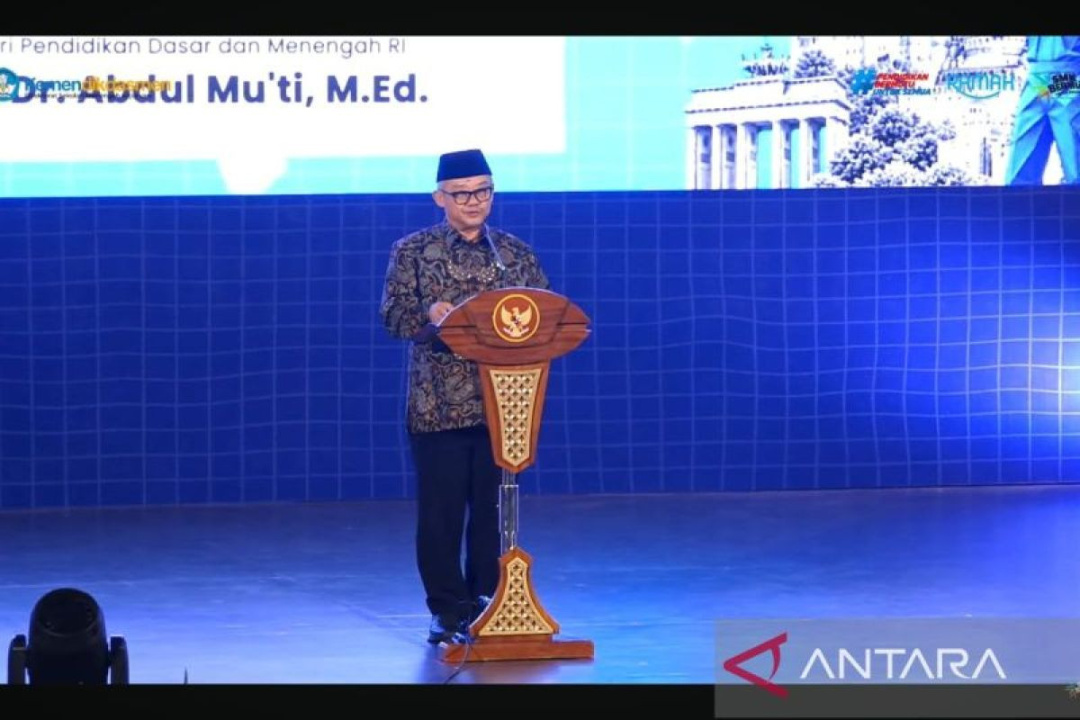
Indonesia's Ministry of Primary and Secondary Education is taking significant steps to address the issue of graduate unemployment by developing new vocational high school (SMK) models. These initiatives are designed to strengthen students' skills and ensure that vocational education aligns more closely with the needs of the labor market. During a recent online event for SMK graduates preparing for internships and work abroad, Minister Abdul Mu'ti highlighted the introduction of the SMK 3+1 Program. This program allows students to complete a standard three-year vocational curriculum, with the option to pursue an additional year of specialized training aimed at preparing them for international employment opportunities.
Mu'ti emphasized that this initiative represents a breakthrough in vocational education, demonstrating that graduates are equipped and ready to work globally. The additional training is intended to help students acquire skills that are relevant to their chosen career fields, thereby enhancing their employability.
Market Reading & Resources
Sponsor funding complete. Trade on.
In addition to the SMK 3+1 Program, the ministry is also developing a four-year vocational school model in collaboration with various businesses and industries. This approach is described as a "tailor-made" vocational education framework, which allows schools to partner with specific companies. This partnership enables students to gain practical experience through hands-on industry training, complementing their classroom instruction.
Enhancing Local Economies Through Tailored Vocational Education Models
Another key initiative involves establishing vocational schools that focus on the economic and natural strengths of local regions. These schools aim to equip students with skills that are relevant to the resources and industries present in their communities. For instance, potential areas of focus include regional commodities such as coffee, patchouli, marine resources, batik, and music.
The development of these diverse vocational school models is part of the ministry's response to ongoing criticism regarding high unemployment rates among vocational school graduates. By linking vocational education with industry needs, international employment opportunities, and local economic potential, the ministry seeks to enhance the relevance of SMK programs and improve the employment prospects of graduates.