Understanding the Broader Impact of RBA Rate Hikes
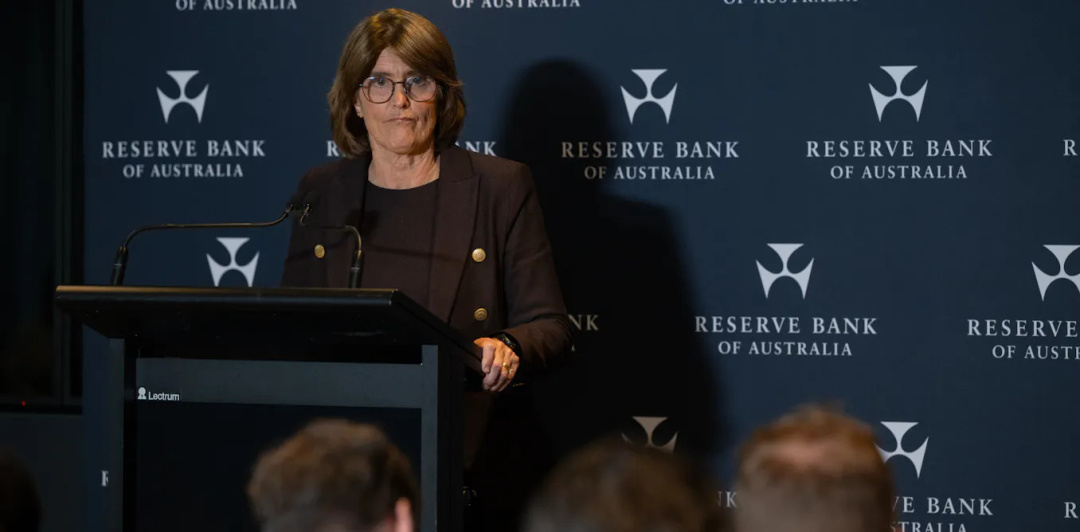
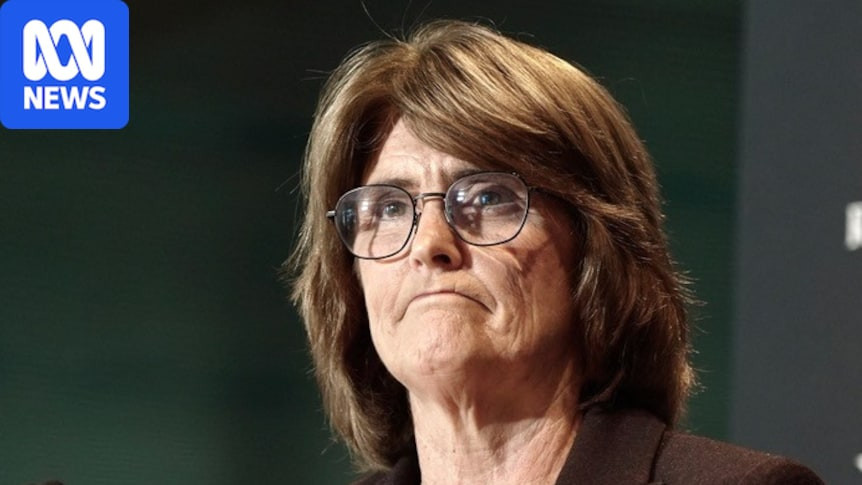
Financial markets are now anticipating a fifth interest rate hike by the Reserve Bank of Australia (RBA), which could occur in the near future. While much of the media attention focuses on the increased costs for mortgage holders, this is only one aspect of how higher interest rates impact the economy and help to control inflation.
Inflation has remained persistently above the RBA's target range of 2-3% for several years, with recent data indicating an increase to 4.3% in September from 4.0% in August. The RBA's preferred measure of underlying inflation also remains elevated at 3.7% for the September quarter. RBA officials have expressed growing concern over the inflation outlook, with Deputy Governor Andrew Hauser noting that it appears worse than previously projected. This has led to increased scrutiny of the central bank's commitment to its inflation targets.
Market Reading & Resources
Sponsor funding complete. Trade on.
If the RBA proceeds with another rate hike, the immediate focus will likely be on the one-third of households that hold mortgages, particularly in urban areas with high property prices. The resulting higher mortgage payments will reduce disposable income for these households, limiting their ability to spend on other goods and services, a phenomenon known as the cash flow effect. However, this is just one channel through which interest rates exert their influence, and it may not be the most significant.
Higher interest rates also make saving more appealing, which can lead to reduced consumer spending. Additionally, increased borrowing costs affect all forms of debt, making it less attractive for consumers to finance purchases such as cars and furniture. Companies may also scale back on investment projects due to higher costs of borrowing. Furthermore, rising interest rates typically lead to a decline in asset values, including real estate and stocks, which can diminish household wealth and further suppress spending.
Why Dollar Matters Here
Another consequence of higher interest rates is the appreciation of the Australian dollar. As returns on Australian assets become more attractive to international investors, the dollar has strengthened against other currencies. This appreciation can lower import costs, including essential goods like petrol, but it may also negatively impact domestic economic activity as consumers opt for cheaper imported products over locally made alternatives.
RBA's Projections on Economic Adjustments and Inflation
The RBA's modeling indicates that the peak effects of a rate change on economic activity and inflation are typically felt one to two years after the adjustment. According to their research, a 1% increase in interest rates could lead to a 0.4% to 0.5% reduction in real GDP and a 0.1% to 0.2% decrease in inflation. Interestingly, recent findings suggest that the cash flow channel, primarily through mortgages, plays a relatively minor role in this dynamic, with the exchange rate being identified as a more significant factor.
As the RBA continues to navigate these challenges, it hopes to bring inflation back within its target range swiftly, minimizing the duration of elevated interest rates. However, the rising unemployment rate, which has increased from 4.3% in February to 4.7% in September, poses additional challenges as the economy adjusts to these monetary policy changes.