Fed Chair Kevin Warsh Views AI Growth as Non-Inflationary
Federal Reserve Chair Kevin Warsh holds a surprisingly optimistic view on the impact of artificial intelligence (AI) on the economy, suggesting that the current AI spending boom should not be seen as a direct cause of inflation. According to Tom Lee, Warsh's perspective is crucial as it informs the Federal Reserve's decisions regarding interest rates, which are influenced by whether the AI surge is perceived as a temporary demand shock or a long-term productivity enhancement.
Warsh's stance aligns with his previous public statements, particularly during his testimony before the Senate Banking Committee in July 2026. He emphasized that a one-time price change does not equate to inflation, as a supply response is anticipated to follow. This viewpoint was reiterated during the IMF meetings in October 2026, where he characterized the surge in AI investment as a demand shock that precedes its potential productivity benefits.
Market Reading & Resources
Sponsor funding complete. Trade on.
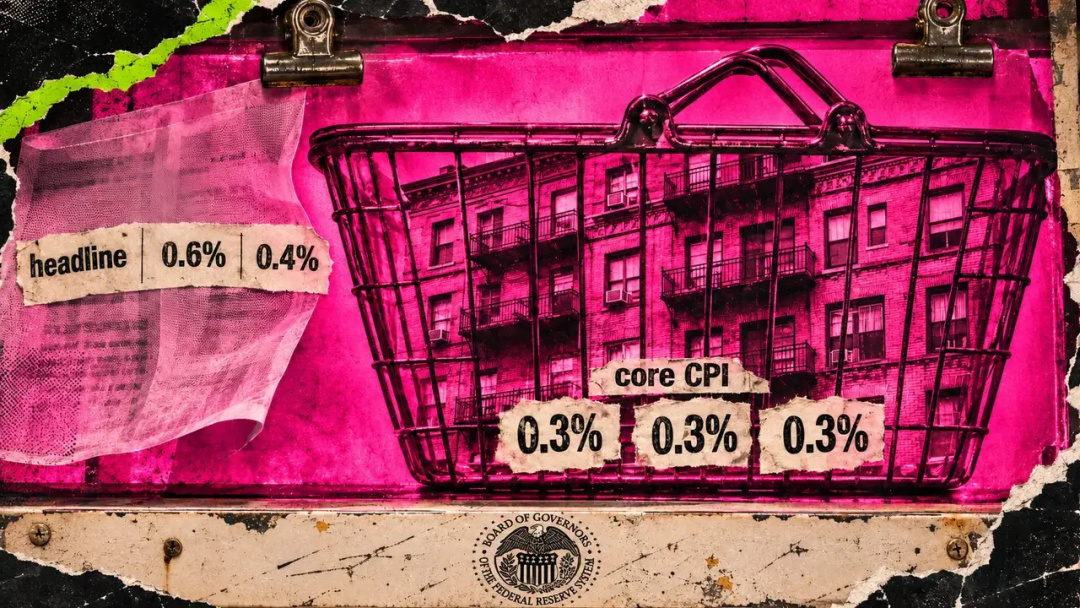
Despite the current Consumer Price Index (CPI) standing at 3.7% year-over-year as of September 2026, which exceeds the Fed's target of 2%, Warsh remains steadfast in his belief that this does not automatically lead to persistent inflation. He acknowledges that while rising investments in AI may influence prices in the short term, it does not necessarily indicate a long-term inflationary trend.
Warsh's Perspective on AI's Impact on Interest Rates
The Federal Reserve has maintained steady interest rates despite the inflationary pressures, reflecting Warsh's view that the AI boom represents a temporary demand surge rather than a lasting inflationary force. This perspective suggests that the Fed may be inclined to keep rates unchanged to foster growth while the benefits of AI investment materialize.
Navigating Risks in Fed's Monetary Policy Approach
However, there is a risk associated with this approach. Warsh's argument relies on the expectation of a timely supply-side response to the demand shock. If this response is delayed or less impactful than anticipated, the Fed may find itself maintaining steady rates while inflation remains stubbornly high.
In summary, Warsh's insights, as conveyed by Lee, indicate that the Fed Chair perceives the current AI boom as a precursor to future productivity gains rather than an immediate inflation threat. This outlook could significantly shape the Fed's monetary policy decisions in the coming months.