Federal Reserve Maintains Interest Rates Amid Economic Growth and Inflation
The Federal Reserve has opted to maintain its benchmark interest rate, keeping the federal funds rate within the range of 3.75 percent to 4.0 percent. This decision, announced on Wednesday, aligns with the rate set during the previous meeting in September. In a statement following a two-day meeting, the Fed noted that economic activity is expanding at a strong pace, although uncertainty remains due to geopolitical factors. Domestic spending has shown resilience, productivity growth is robust, and capital investment remains strong. Job gains have kept pace with the workforce, and the unemployment rate has remained stable. However, inflation continues to be a concern, as it remains elevated.
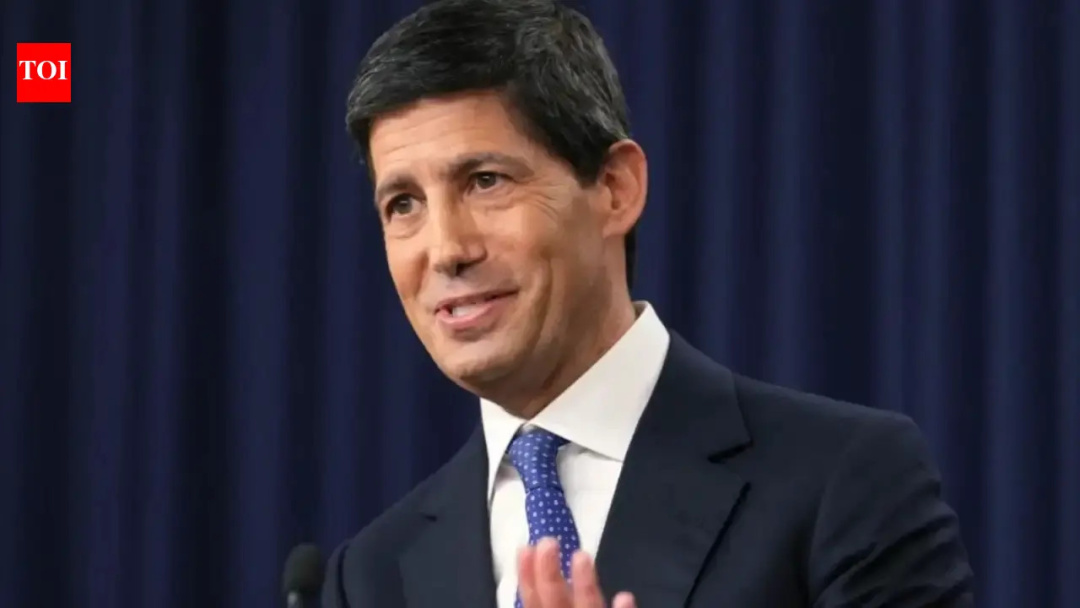
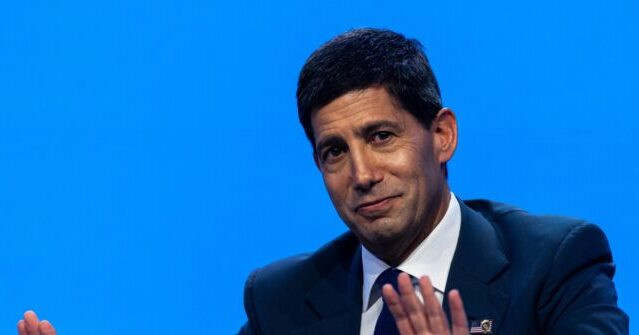
Two officials from the Fed, Governor Lisa Cook and Cleveland Fed President Beth Hammack, expressed dissent regarding the decision, advocating for a quarter-point increase in the target range for the federal funds rate. At a press conference, Fed Chair Kevin Warsh announced a significant change in the structure of the Fed's meetings. Starting next year, one of the eight annual meetings will focus on broader economic questions and monetary strategy rather than solely on policy rates. Following this meeting, the Fed will not issue a post-meeting statement, with plans to expand these strategy meetings to twice a year by 2028.
Market Reading & Resources
Sponsor funding complete. Trade on.
The recent increase in September marked the first rate hike in three years, reversing previous cuts made in late 2024 and 2025, which were prompted by concerns about a slowing economy and a weakening labor market. This latest decision indicates that Fed officials are now more confident in the economy's resilience and view persistent inflation as a significant risk. The Fed aims for a two percent inflation target, a goal that has not been consistently met since March 2021, when inflation began to exceed this target.
Economic Indicators Signal Potential Rate Hikes Amid Inflationary Pressures
The personal consumption expenditures price index, which the Fed prefers for measuring inflation, showed a 3.4 percent increase in August, matching the rise in July. This follows a slight decrease from June's 3.5 percent and May's 3.8 percent. The September data is expected to be released soon. Rising gasoline prices have contributed to inflation this year, but there are signs that inflationary pressures are spreading across a wider range of goods and services, raising concerns about the potential entrenchment of inflation.
Investors had largely anticipated the decision to keep rates unchanged, with the futures market indicating a 90 percent likelihood of this outcome. However, several Fed officials have hinted at the possibility of a rate increase during the December meeting, with the CME Group’s FedWatch tool suggesting an 88 percent chance of a hike at that time. The Fed has upgraded its assessment of economic growth, describing activity as expanding at a strong pace, a shift from the previous characterization of a solid pace in September. This positive outlook suggests that Fed officials see little evidence that higher interest rates are undermining economic expansion, potentially allowing for further tightening of monetary policy to combat inflation.