Federal Reserve Maintains Interest Rates Amid Persistent Inflation
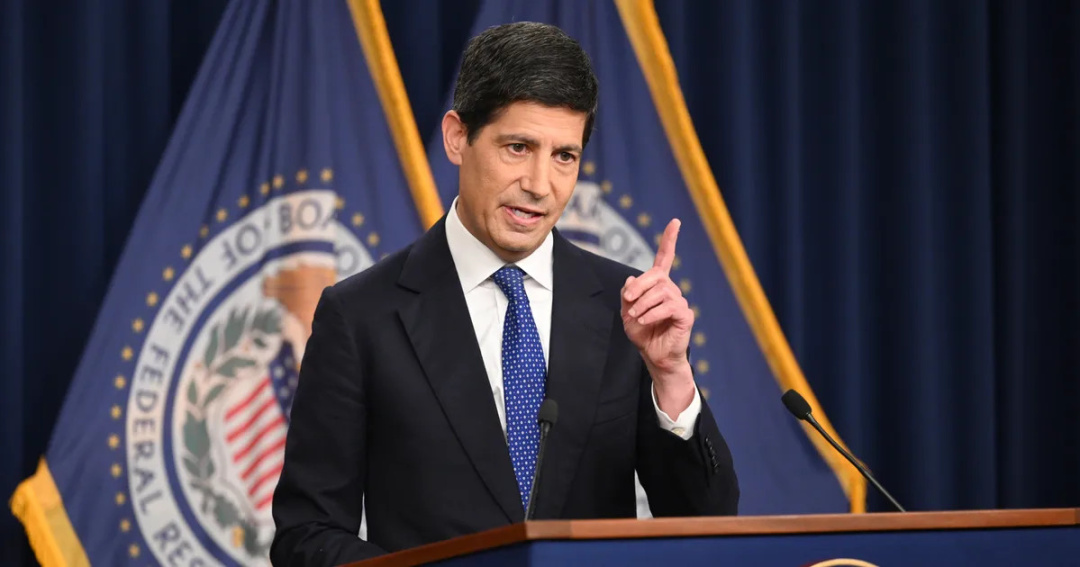
The Federal Reserve has opted to maintain its key interest rate at about 3.9% as inflation continues to pose challenges. This decision was announced following a two-day policy meeting, where the Fed acknowledged that inflation remains elevated. By holding off on an increase, the central bank aims to gather more data to inform its future policy decisions, particularly in relation to its target inflation rate of 2%.
Last month, the Fed raised its benchmark rate for the first time in three years, a move that went against calls from President Donald Trump for rate cuts. The Fed's mandate is to combat inflation, which it does by increasing rates to slow down borrowing and spending, thereby reducing price pressures.
Market Reading & Resources
Sponsor funding complete. Trade on.
Market analysts, including Michael Reynolds from Glenmede, suggest that the Fed may implement a quarter-point hike at its next meeting scheduled for December 8-9. Current market expectations indicate an 85% probability of such an increase, as many believe that one more hike is necessary to bring interest rates into a restrictive range that could effectively curb inflation.
This decision comes at a politically sensitive time, just days before midterm elections where economic issues, particularly the rising cost of living, are at the forefront of voter concerns. However, Warsh stated that political considerations did not influence the Fed's decision-making process.
Where Warsh Meets Highlighted
Warsh highlighted that while inflation is a pressing issue, certain factors contributing to rising prices, such as the rapid expansion of artificial intelligence infrastructure and increased energy costs, may not be easily managed through interest rate adjustments. He expressed confidence that the Fed's actions are beginning to yield results, noting tighter credit conditions for some businesses and households.
Higher Interest Rates Impact Housing Market and Consumer Confidence
The impact of higher interest rates is already being felt in various sectors, particularly in housing. The average 30-year mortgage rate has reached a three-year high of 7.4%, making home purchases unaffordable for millions of Americans. As the Fed continues to monitor inflation, the upcoming release of the personal consumption expenditures price index is anticipated to show further increases in inflation rates.
Despite dissent from two Fed officials who advocated for a rate hike, Warsh remains optimistic about the Fed's ability to manage inflation expectations. He firmly stated that there is no soft inflation target and emphasized the importance of the Fed's independence from political pressures. As the global economic landscape evolves, the Fed's decisions will play a crucial role in shaping economic stability and consumer confidence.