Federal Reserve to Reduce Rate-Setting Meetings, Says Chairman Warsh
The Federal Reserve is set to reduce the number of meetings dedicated to setting interest rates, according to Chairman Kevin Warsh. This change will begin next fall, with one of the eight annual meetings being repurposed to address broader economic questions rather than solely focusing on interest rate decisions. By 2028, this will increase to two such meetings each year.
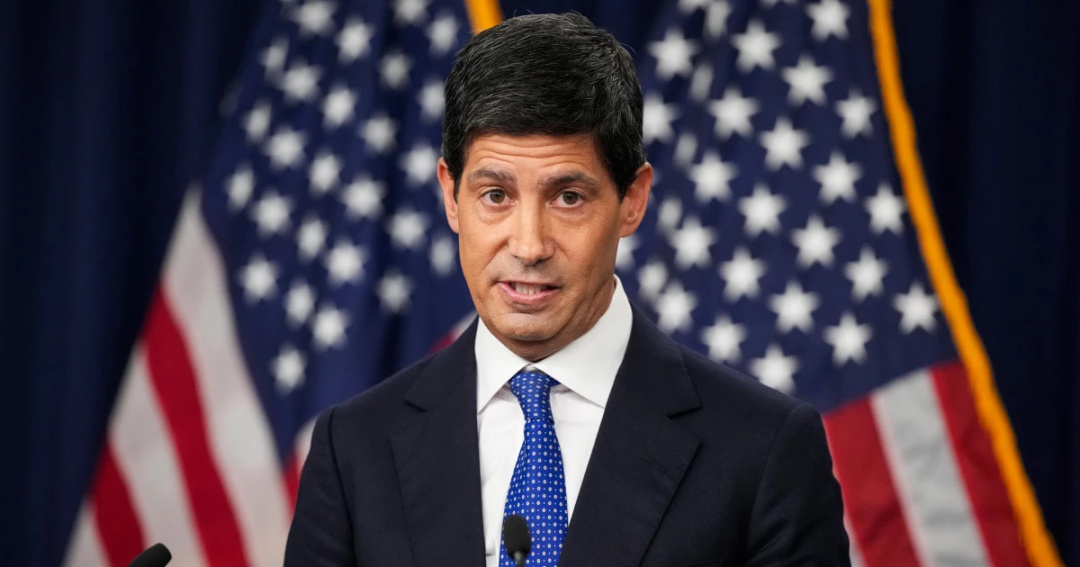
Warsh made this announcement following the Fed's latest policy update, which maintained the current interest rates. He emphasized the need for the central bank to allocate more time for long-term strategic discussions, moving away from the immediate pressures of interest rate adjustments. He stated, "Getting policy right involves assessing near-term developments at timely, regular and information-rich intervals. But it’s equally important we reserve time and space as an intellectually diverse group for strategic deliberations, for thinking anew about big questions, looking out over longer time horizons."
Market Reading & Resources
Sponsor funding complete. Trade on.
This shift represents a significant alteration to the Federal Reserve's traditional policy calendar, which has been closely monitored by global investors. The Federal Open Market Committee (FOMC) has held eight scheduled meetings annually since 1981. Warsh's discussions about reducing the frequency of rate-setting meetings began in July, as noted in the FOMC meeting minutes. He argued that allowing longer intervals between meetings would enable the committee to gather more comprehensive economic data.
Assessing the Implications of the Fed's Meeting Frequency Changes
The idea of reducing rate-setting meetings has been a topic of debate, primarily due to concerns that it could lead to shortsightedness. However, the change has not been implemented until now, as there were fears that it might hinder the Fed's ability to respond swiftly to sudden economic shifts.
This decision will set the Federal Reserve apart from other major central banks, such as the Bank of England and the Bank of Japan, which maintain more frequent meetings. Warsh's leadership, which began in May after his nomination by President Donald Trump, has already introduced other significant changes, including a reduction in the length of the FOMC's post-meeting policy statements and a departure from issuing forward guidance regarding future inflation and unemployment forecasts.