Federal Reserve Holds Interest Rates Steady Amid Inflation Concerns
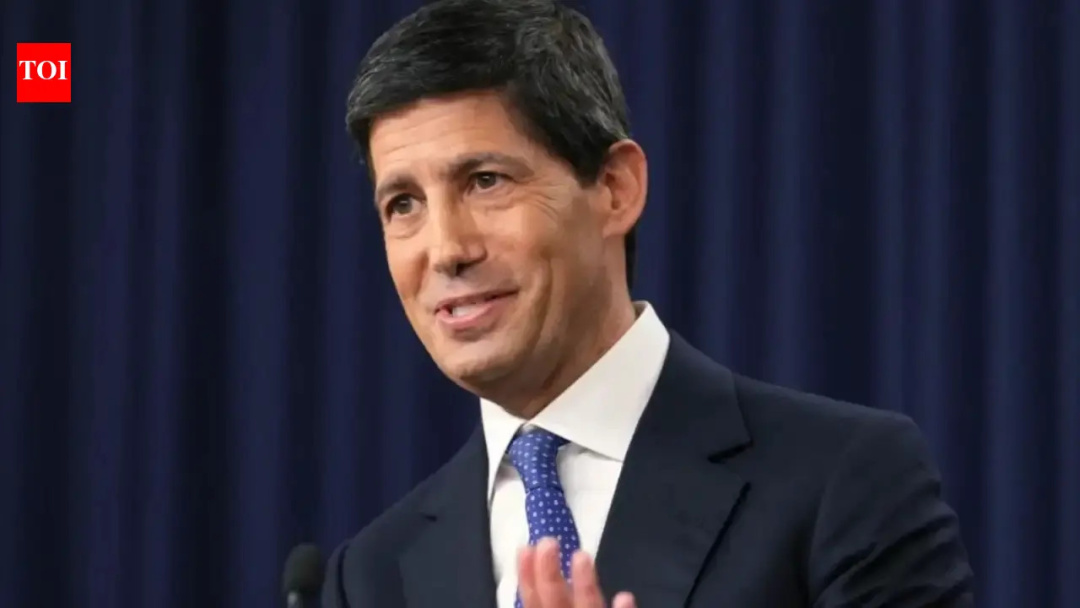
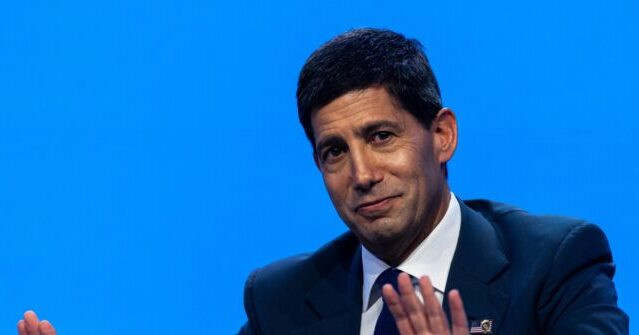
The US Federal Reserve has opted to keep interest rates unchanged at 3.75%-4% following a 10-2 vote. This decision comes as officials weigh the ongoing challenges of persistent inflation against signs of a resilient economy. The Fed's choice to hold rates steady indicates a cautious approach as they await further economic data before determining their next steps. Fed Chair Kevin Warsh noted that economic activity is expanding at a strong pace, an upgrade from the previous assessment of solid growth. Domestic spending has shown resilience, productivity growth is robust, and job gains have kept pace with the workforce, while the unemployment rate has remained stable.
Despite these positive indicators, inflation continues to exceed the Fed's 2% target, leading to divisions among policymakers. Governors Lisa Cook and Beth Hammack dissented from the decision, advocating for a 25-basis-point rate hike due to concerns about persistent inflationary pressures. They argue that delaying further tightening could complicate efforts to control rising prices. Some economists and market participants speculate that another rate hike could occur in December, although the Fed has not committed to a specific timeline.
Market Reading & Resources
Sponsor funding complete. Trade on.
Warsh emphasized the need for more information to guide the central bank's policy decisions, stating that addressing inflation cannot be tied to a specific date or single data point. He acknowledged that inflation expectations have improved since the Fed's September meeting, although financial and credit conditions have tightened for some businesses and households. However, he refrained from labeling overall financial conditions as tight.
Market Reactions Reflect Uncertainty Following Fed's Decision
Market reactions to the Fed's decision were cautious, with US stock indexes showing mixed results and Treasury yields edging higher. Short-term interest rate futures also rose, reflecting uncertainty regarding the future direction of monetary policy. The Fed's statement leaves the door open for further rate increases if inflation does not subside, even as officials recognize that employment and economic activity remain relatively strong.