Economic Hardship in Khartoum: Families Struggle Amid War and Inflation
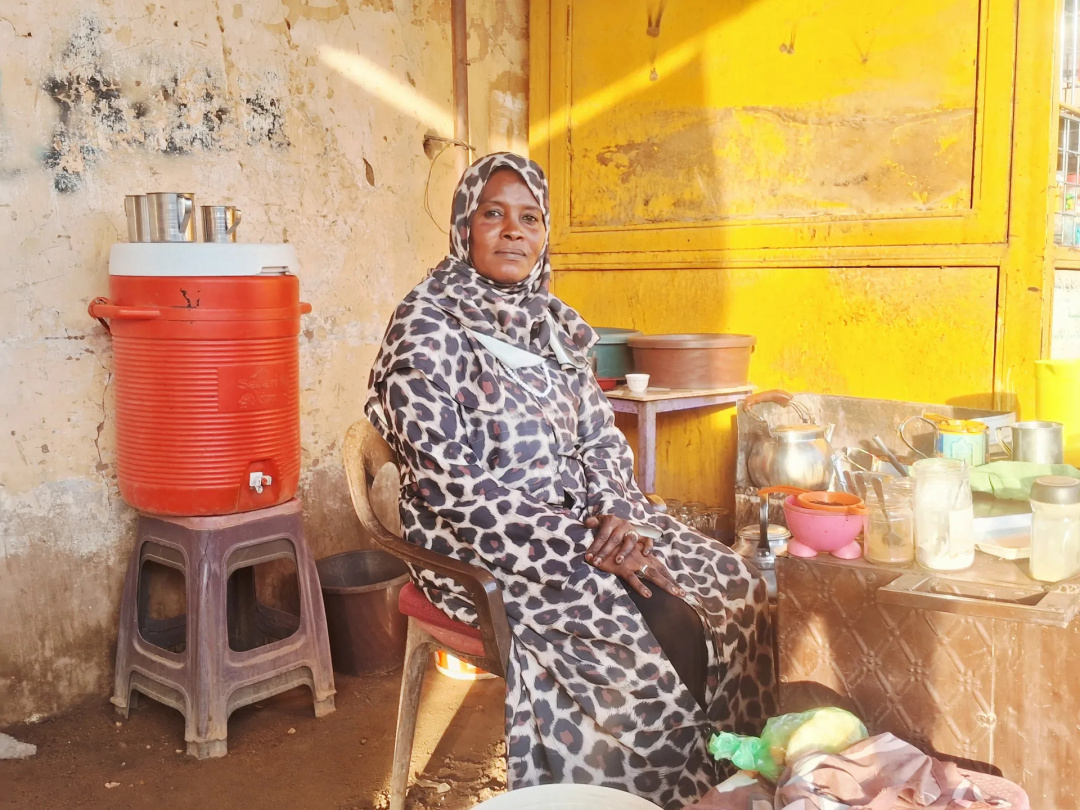
In Khartoum, Sudan, Rasha Abdelaziz Musa works tirelessly selling tea for seven hours each day. Despite her efforts, she often finds herself uncertain about whether she can provide enough food for her four children. With her husband serving on the front lines of the ongoing conflict, Musa has not received any financial support from him for months, leaving her to shoulder the responsibility of supporting her family alone.
The cost of feeding her family has skyrocketed, with daily expenses reaching approximately 40,000 Sudanese pounds, equivalent to about $4 at the parallel-market exchange rate. This amount does not even cover rent and other essential household costs. Musa's family staples include ful medames, a dish made from stewed fava beans, and lentils. However, when lentils become too expensive, she resorts to serving taamiya, or falafel, sandwiches instead. The fluctuating prices often leave her in debt to local traders.
Market Reading & Resources
Sponsor funding complete. Trade on.
Musa is not alone in her struggle. Ahmed Youssef, a 61-year-old butcher, supports a family of twelve. His income, which can range from 90,000 to 140,000 pounds ($9 to $14) when he successfully closes a deal, is irregular and insufficient to meet the family's daily expenses of over 100,000 pounds ($10). He notes that sometimes his older children must contribute to the household income to help cover costs.
Ali Fadil, a 57-year-old man supporting a family of ten, faces similar challenges. Without a permanent job, he searches for work at the market each morning. On some days, he earns enough to buy food, but on others, he finds no work at all. His daily expenses amount to about 70,000 pounds ($7), and he often has to skip meals to afford school fees or medical expenses, sometimes resorting to borrowing money to meet obligations.
A recent survey of local markets in Khartoum revealed alarming price increases for essential foods. For instance, the price of a kilogram of sugar rose from 9,000 pounds ($0.90) to 10,000 pounds ($1) within just two days. Cooking oil prices increased from 20,000 pounds ($2) to 25,000 pounds ($2.50), while the cost of bread jumped from 300 pounds ($0.03) to 500 pounds ($0.05) in a week. Other staples like lentils and rice have also seen significant price hikes.
Sudan's Currency Crisis and Rising Inflation Rates
The Sudanese pound continues to weaken, with exchange rates indicating that $1 was trading at 10,050 pounds on the parallel market, up from 9,500 pounds the previous day. Official statistics show that prices across Sudan increased by 28 percent in September compared to the previous year, with food prices rising even faster at nearly 37 percent.
The ongoing war has severely disrupted livelihoods and supply chains, contributing to the rising cost of living. The World Bank estimates that Sudan's economy contracted by 29 percent in 2023 and is projected to shrink by another 14 percent in 2024 due to the conflict's impact on businesses and agricultural production. Millions remain displaced, with nearly 8.9 million people internally displaced as of April, according to the International Organization for Migration.
Economic Expert Calls for Urgent Support Measures
Khalid Teks, an economic affairs specialist, noted that Sudan's economic decline began long before the war, citing factors such as falling oil production, cash shortages, and political instability. He emphasized the need for humanitarian access, direct support for vulnerable households, and low-interest loans for small businesses to help alleviate the situation.
Teks called for the government to provide direct support through dedicated funds and facilitate humanitarian organizations to assist those in need. He believes that such measures could help revive markets and support small enterprises, ultimately aiding families struggling to survive amid the ongoing crisis.