UK Chancellor Healey to Present Autumn Budget Amid Rising Costs
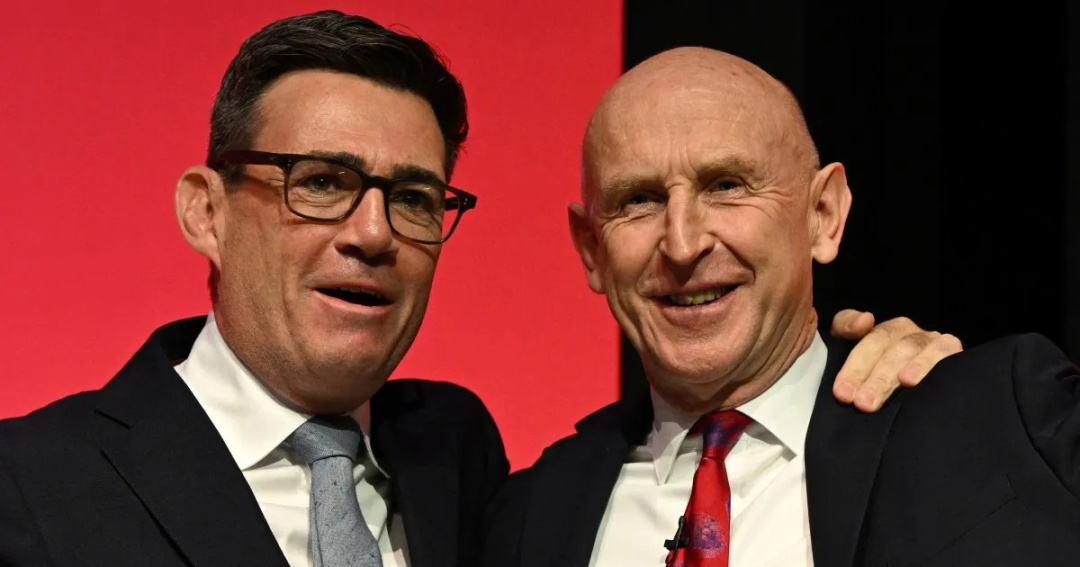
British Chancellor John Healey will present the autumn budget, outlining the government's tax and spending plans, marking the first budget under Prime Minister Andy Burnham's leadership. This announcement comes at a time of high inflation and significant government spending levels, with the budget scheduled for Wednesday at 12.30 GMT.
Speculation surrounding the budget includes potential tax announcements and commitments to defense spending, as the country grapples with a cost-of-living crisis. Energy bills are projected to rise significantly in January, marking the largest increase in four years, largely due to ongoing geopolitical tensions in the Middle East.
Market Reading & Resources
Sponsor funding complete. Trade on.
The UK's total borrowing surpassed 3 trillion pounds ($3.99 trillion) for the first time in September, with the government currently spending around 100 billion pounds ($133 billion) annually just to service this debt. Despite these challenges, Chancellor Healey has indicated that the budget will aim to redistribute resources, moving "money and power out of Westminster and into every postcode around Britain."
In a recent speech, Healey emphasized his alignment with Burnham on fiscal policies aimed at balancing the budget while maintaining a buffer against uncertainties. He highlighted the importance of controlling borrowing to mitigate inflation and reduce long-term financial pressures.
Gregory Thwaites, interim chief economist at the Resolution Foundation, anticipates a relatively modest budget due to limited maneuverability for the government. He expects some measures to alleviate high living costs, but major decisions may be deferred until next year.
Burnham has stated that Healey will outline a plan to fully fund the government's defense commitments, which were announced in June and backed by 298 billion pounds ($396 billion) of investment. This plan aims to enhance the armed forces' readiness and strengthen European security. Burnham stressed the necessity of a funded plan to implement these commitments effectively.
The budget is also expected to address a 4.7 billion-pound ($6.2 billion) funding gap in defense spending, which may require cuts to other departmental budgets. Rising government borrowing and inflation present additional challenges for proposed spending initiatives.
Recent data from the Office for National Statistics indicates that UK inflation and government borrowing have reached their highest levels in a year. Last month, borrowing was nearly 25 billion pounds ($33 billion), exceeding government income due to increased spending and debt interest costs.
Strategies for Sustainable Economic Growth Amid Inflation Concerns
Experts suggest that for the government to stimulate economic growth without exacerbating inflation, it must focus on enhancing the economy's productive capacity rather than merely increasing spending. Policies that improve skills, reduce energy dependence, and strengthen local economies are likely to yield more sustainable benefits.
Helen Miller from the Institute for Fiscal Studies noted that while borrowing is expected to decline in the coming years, a cautious approach may not suffice. Maintaining the current tax and spending plans could lead to inflation undermining departmental budgets.
The budget is anticipated to introduce new taxes on banks and online marketplaces, with trade unions advocating for higher taxes on bank profits, which totaled approximately 15 billion pounds ($19.9 billion) in the first half of the year. The Treasury is considering adjustments to the bank surcharge rate, which could generate around 2 billion pounds ($2.6 billion).
Additionally, Healey is reportedly looking to address VAT avoidance by foreign sellers on platforms like Amazon, which could raise up to 1 billion pounds ($1.3 billion) to help fund business rate reductions for local shops. The budget is expected to allocate around 1.42 trillion pounds ($1.8 trillion) for day-to-day spending and public investment, with a significant portion earmarked for debt interest.
Kenter from Aberystwyth Business School anticipates targeted support rather than broad tax changes in the budget. The government aims to demonstrate empathy towards the financial pressures faced by many citizens, with measures such as expanding parental pay and addressing the carer's allowance cliff edge.
Budget Measures Aim to Alleviate Economic Pressures on Households
Some budget details have already been revealed, including the removal of tariffs on certain food items to lower prices for consumers and a new personal allowance for pensioners to shield them from income tax. Furthermore, an increase in the state pension and minimum wage is expected to benefit low-paid workers.
Amid rising energy prices due to geopolitical tensions, the budget may also include measures to assist households, such as eliminating standing charges for energy supply. As the government prepares to unveil its budget, the focus remains on addressing the pressing economic challenges facing the UK.