Federal Reserve Expected to Maintain Interest Rates Amid Inflation Concerns
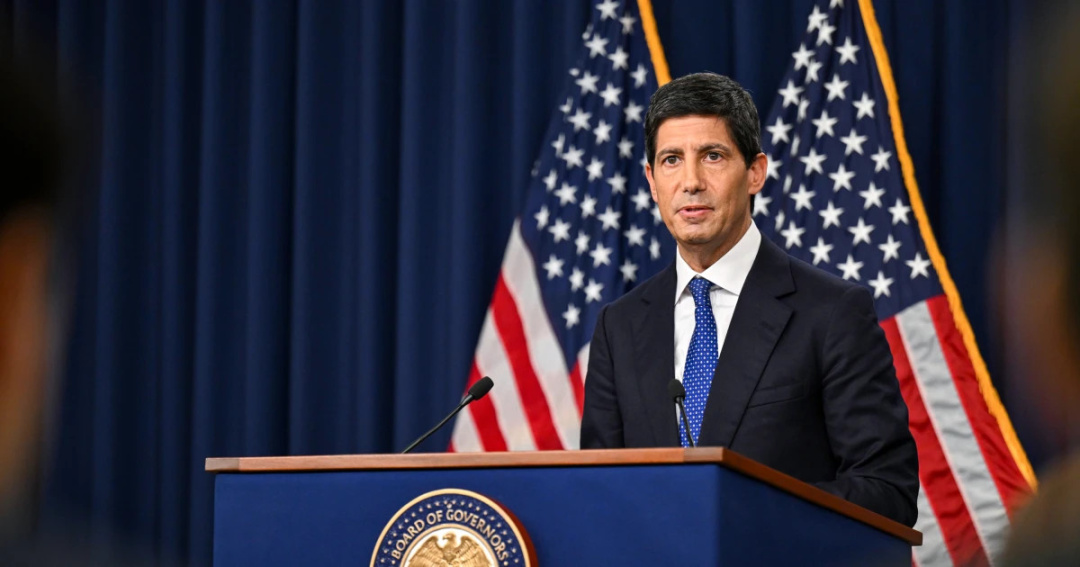
The Federal Reserve is convening in Washington this week to deliberate on potential changes to interest rates, a decision that comes as inflation continues to impact the U.S. economy significantly. With the midterm elections approaching, inflation is a central concern for voters, shaping their perceptions and decisions at the polls.
Despite the pressing inflationary pressures, members of the Federal Reserve's interest-rate setting committee are anticipated to maintain the current benchmark rates this month. This cautious stance is attributed to a consensus among officials that the central bank should avoid hasty decisions, particularly so close to Election Day.
Market Reading & Resources
Sponsor funding complete. Trade on.
Michelle Bowman, the Fed's vice chair for supervision, emphasized the need for patience, stating, "Inflation remains above our goal. We have some time to wait and see how financial conditions evolve before we take more action." The last adjustment to interest rates occurred in September, when the Fed raised rates by a quarter percentage point in response to persistent inflation readings that exceeded the target of 2%.
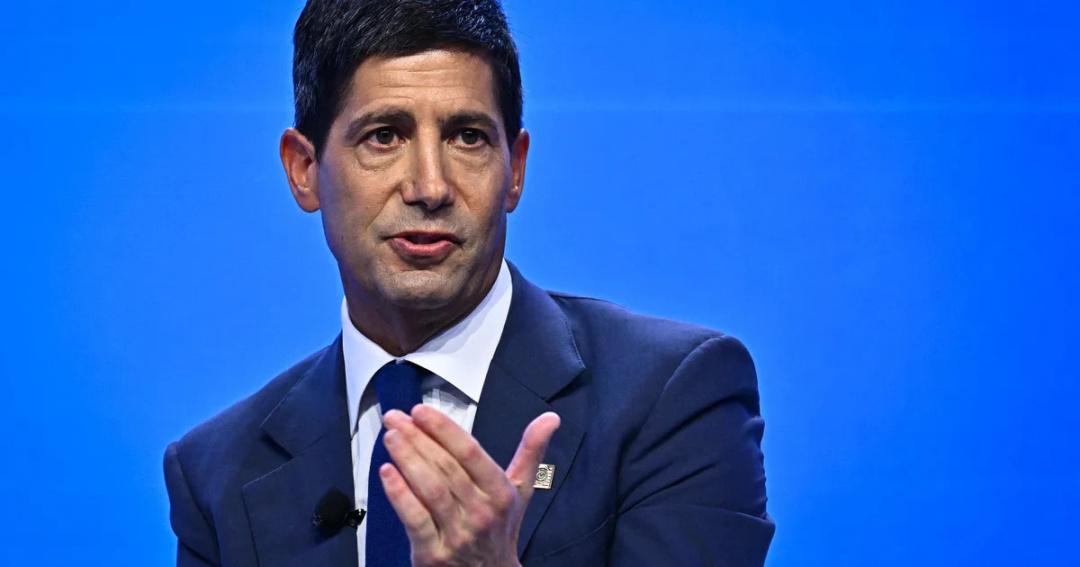
Recent inflation data for September revealed an annual rate increase to 3.7%, up from 3.4% the previous month, reinforcing concerns voiced by Federal Reserve Chair Kevin Warsh about the prolonged nature of high inflation. Analysts from Deutsche Bank have expressed skepticism about the rationale for holding rates steady, suggesting that the current inflation trajectory poses risks for the economy.
However, Fed officials are guided by their dual mandate to promote maximum employment while ensuring price stability. This principle underlies their typically deliberate approach to monetary policy. San Francisco Fed President Mary Daly remarked, "I don’t feel urgent that we have to decide with a limited set of information. I think we have the time that we need."
Political Considerations in Federal Reserve's Rate Decisions
Another factor influencing the Fed's decision-making is the tradition of maintaining a distance from political matters. Raising rates just days before the midterms could be perceived as politically motivated, potentially affecting voter sentiment. Analysts at Deutsche Bank noted that the Fed might prefer to avoid headlines related to rate hikes in the context of an election where affordability is a primary concern.
Polls indicate that voters are particularly worried about rising prices, especially in housing and energy. As control of Congress hangs in the balance, many voters attribute the current economic challenges to the policies of President Donald Trump, particularly his administration's approach to international trade and conflicts.
Navigating Economic Sentiment Ahead of Elections
The latest NBC News poll highlights Trump's low approval ratings regarding his handling of inflation and the economy, with many Americans expressing dissatisfaction with the current state of affairs. This political landscape presents significant challenges for Republican candidates as they navigate public sentiment regarding economic issues.
As the Federal Reserve prepares for its meeting, the interplay between inflation, interest rates, and the political climate will be closely scrutinized, with implications for both the economy and the upcoming elections.