Study Reveals Persistent Inflation Expectations Affect Bitcoin Financing
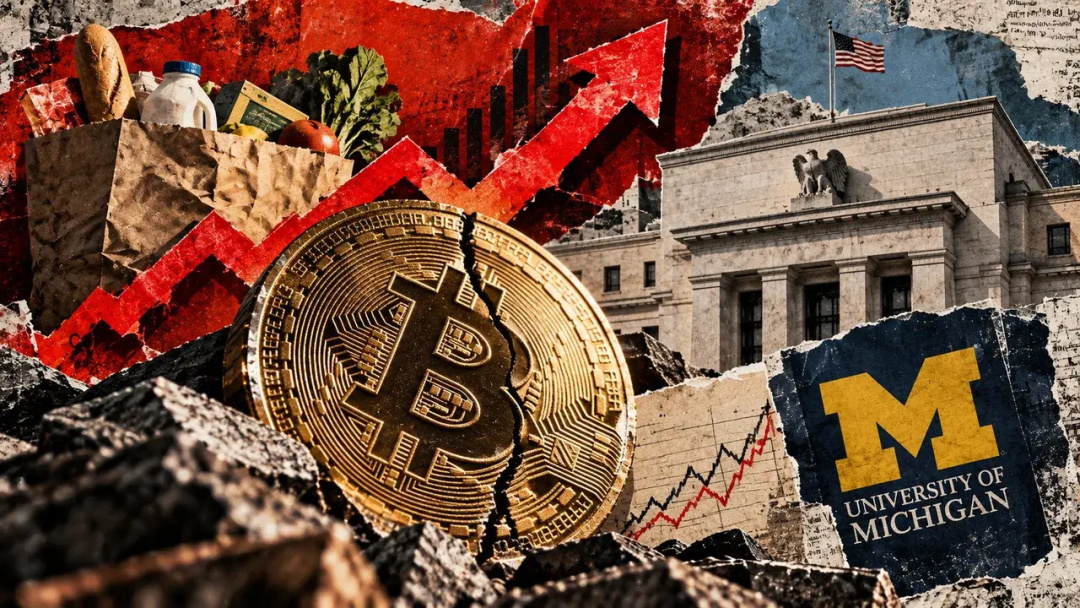
A University of Michigan study published on October 23 reveals that Americans' long-run inflation expectations are currently above levels observed in both 2019 and 2024. This persistent inflation outlook may complicate financing conditions for Bitcoin, despite the consumer sentiment index showing little change. The study suggests that repeated price shocks can lead consumers to anticipate ongoing inflation, which could alter their spending behaviors and make it more challenging to reduce inflation rates.
The final October survey from Michigan recorded a sentiment index of 48, slightly down from 48.1 in September. Year-ahead inflation expectations increased to 4.7%, up from 4.6%, while long-run expectations rose to 3.5%, compared to 3.4% in the previous month. These inflation figures align with preliminary data previously reported by CryptoSlate.
Market Reading & Resources
Sponsor funding complete. Trade on.
The new study provides a historical context, indicating that median long-run expectations are currently above the monthly ranges seen in 2019 and 2024. Recent data also shows that consumers expect larger price increases, coupled with heightened uncertainty about future inflation. Joanne Hsu, the survey director, notes that factors such as the anticipated tariff escalation in 2025 and the energy crisis linked to the 2026 Iran conflict could further influence these expectations. Consumers who foresee rising prices might accelerate their purchases, which could inadvertently reinforce inflationary pressures.
Implications of Inflation Expectations on Bitcoin and Monetary Policy
Hsu warns that precautionary spending is a risk that remains difficult to quantify. However, she emphasizes that entrenched inflation expectations are not inevitable. For Bitcoin, the implications of these inflation expectations are significant, particularly regarding monetary policy and investors' risk appetite. The Federal Reserve's framework suggests that stable inflation expectations are crucial for achieving the 2% inflation target and maintaining moderate long-term interest rates. Persistently high inflation could limit the Fed's ability to ease monetary policy.
Market Dynamics Reflecting Inflation's Influence on Cryptocurrency Demand
Interestingly, during the Fed's meeting on September 15-16, participants expressed that medium- and long-term inflation expectations were consistent with the 2% target. However, some members voiced concerns that prolonged inflation above the target could impact expectations and influence wage and price-setting behaviors. These discussions occurred prior to the release of Michigan's October study.
A 2023 IMF working paper indicates that US monetary tightening tends to depress a shared component of cryptocurrency prices by reducing investors' willingness to take risks, similar to its effects on equity markets. This historical analysis supports the notion that stubborn inflation could lead to diminished demand for cryptocurrencies like Bitcoin.