Indonesia's Inflation Rate Remains Steady at 3.28 Percent in September 2026
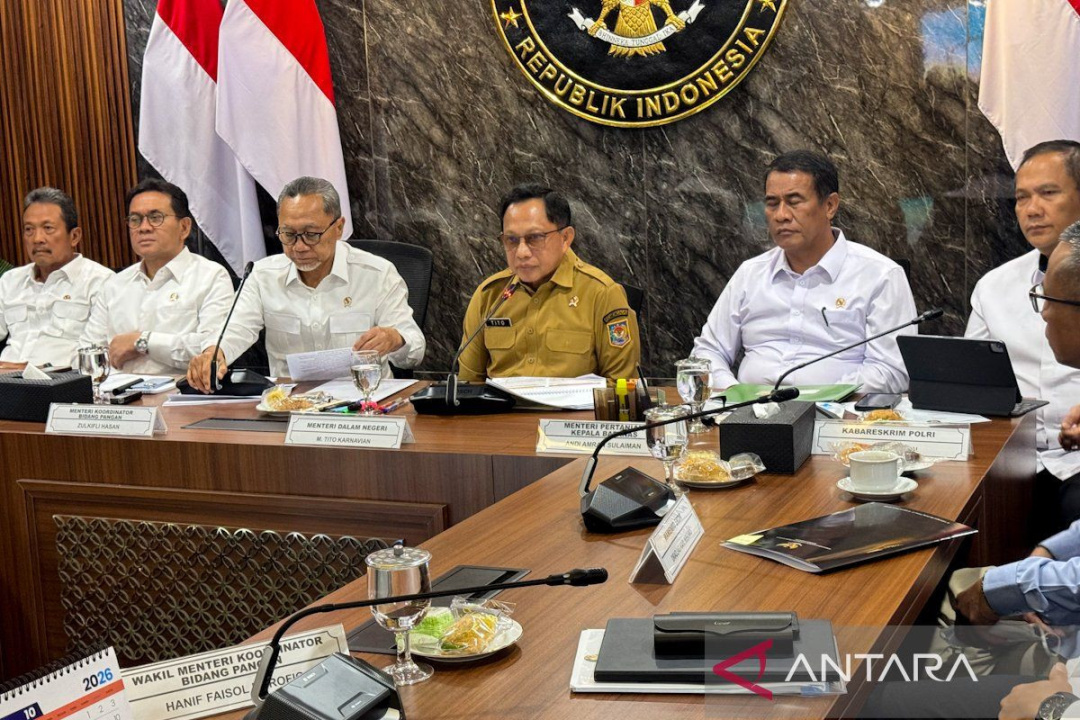
Home Affairs Minister Tito Karnavian reported that Indonesia's annual inflation rate for September 2026 is 3.28 percent, remaining within the government's target range. This figure reflects a careful balance between the interests of producers and consumers, which is crucial for supporting economic stability. The government has established an inflation target of 2.5 percent, with a permissible range of plus or minus 1.5 percent. Karnavian emphasized that excessively low inflation could negatively impact the incomes of farmers, fishermen, and business operators. Therefore, a national price policy is necessary to ensure that prices are balanced while safeguarding the welfare of producers.
Conversely, high inflation can diminish purchasing power, particularly for low-income households. The government is committed to keeping inflation within the established target range. In September, there was a 0.30 percent increase in monthly inflation from August, primarily driven by rising prices in the food and beverage sector, notably due to increased chili prices. Drought conditions have affected chili production in key growing regions, leading to supply shortages that do not meet market demand.
Market Reading & Resources
Sponsor funding complete. Trade on.
To address these challenges, the government is promoting the expansion of chili planting programs in both rural and urban areas. This initiative aims to strengthen supply and maintain price stability for national horticultural commodities. The minister also noted that food price developments will be closely monitored through coordination among various ministries and local administrations to ensure effective inflation control.
Optimism for Economic Stability Amid Inflation Management Efforts
Karnavian expressed optimism that consistent inflation management will contribute to national economic stability, providing certainty for businesses, farmers, and the public as they navigate future price dynamics. The government's proactive measures are designed to mitigate the impact of inflation on consumers while fostering a stable economic environment.