Bitcoin Faces Federal Reserve Challenge Amid Inflation Data Concerns
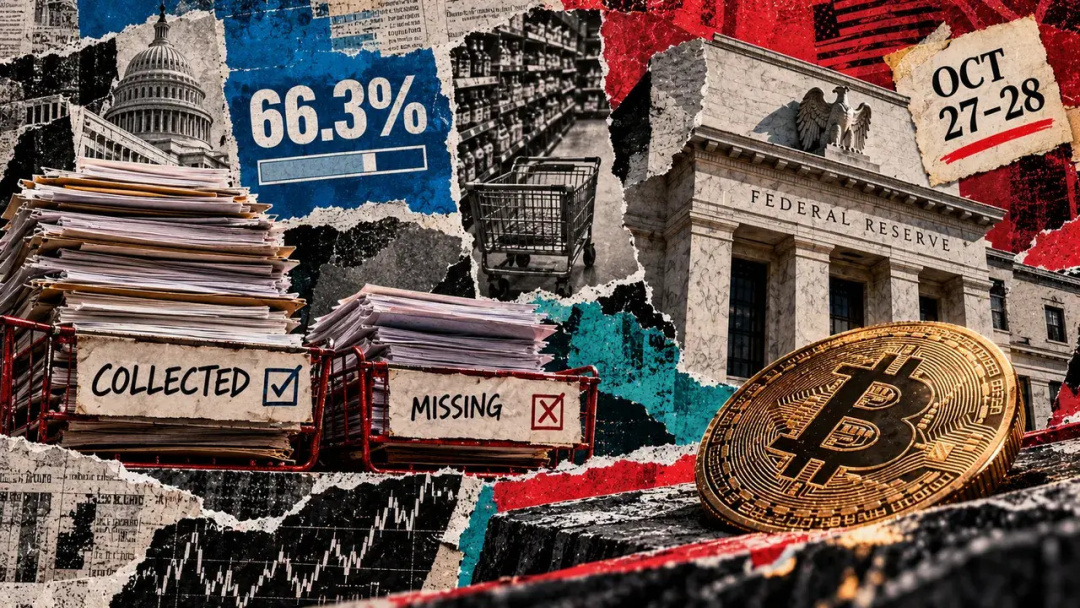
Bitcoin is poised for another test as the Federal Reserve approaches its next interest-rate decision, with the U.S. grappling with challenges in accurately measuring inflation. The Bureau of Labor Statistics (BLS) reported that it collected 66.3% of the targeted price observations in its commodities-and-services survey for September, a slight increase from 65.9% in August but still below the 67.6% recorded a year prior. This shortfall is attributed to ongoing efforts to restore data collection operations that were disrupted due to staffing and survey reductions initiated in 2025, with the restoration process still incomplete ahead of the Fed's policy meeting scheduled for October 27-28.
The uncertainty surrounding inflation data adds another layer of complexity to an already challenging economic landscape, especially after U.S. consumer prices increased by 3.7% year-over-year in September, up from 3.4% in August. Bitcoin's market has shown a notable sensitivity to inflation figures that influence interest-rate expectations. Following the release of September's unexpectedly high Consumer Price Index (CPI), Bitcoin's price dropped from approximately $83,800 to below $82,000 within hours, coinciding with a sharp rise in two-year Treasury yields.
Market Reading & Resources
Sponsor funding complete. Trade on.
The latest disclosure from the BLS raises questions about the statistical integrity of the inflation figures that are closely monitored by investors and policymakers. While the agency has not identified any directional bias in its recent inflation estimates, the challenges in data collection could complicate the accuracy of CPI calculations. The BLS had previously scaled back its consumer price collection in several U.S. locations in the summer of 2025, suspending operations in cities such as Lincoln, Nebraska; Provo, Utah; and Buffalo, New York. Recruitment and training efforts resumed in November 2025, with plans for gradual expansion of data collection as more field staff become operational.
Despite the progress reflected in the September figures, which show an improvement from June's 65% collection rate, the current rate remains below the 67.4% recorded in March. The missing observations present challenges for CPI calculations, as the government must estimate prices for items that researchers cannot directly obtain. The BLS employs statistical techniques to estimate missing prices based on comparable products within the same category and geographic area. However, these estimates may not accurately reflect the behavior of unobserved prices, potentially skewing the overall inflation picture.
The 33.7% noncollection rate does not imply that the agency estimates a third of the CPI; rather, the published figure is based on an unweighted survey of targeted price quotes, excluding separate housing observations and other data sources. The BLS has also warned that lower response rates could heighten the risk of statistical bias, although it has not demonstrated that published inflation figures are systematically understated or overstated.
Investors Analyze Inflation Data Amid Fed Rate Speculations
An August research paper analyzing data from 2018 to 2023 found limited differences in headline inflation measures under alternative estimation methods, although some detailed price categories indicated potential discrepancies. These findings predate the 2025 collection cuts, leaving their impact on the latest inflation calculations unquantified. As investors reassess the likelihood of further Federal Reserve tightening in light of stronger inflation readings, the market is closely watching the implications of these data collection challenges.
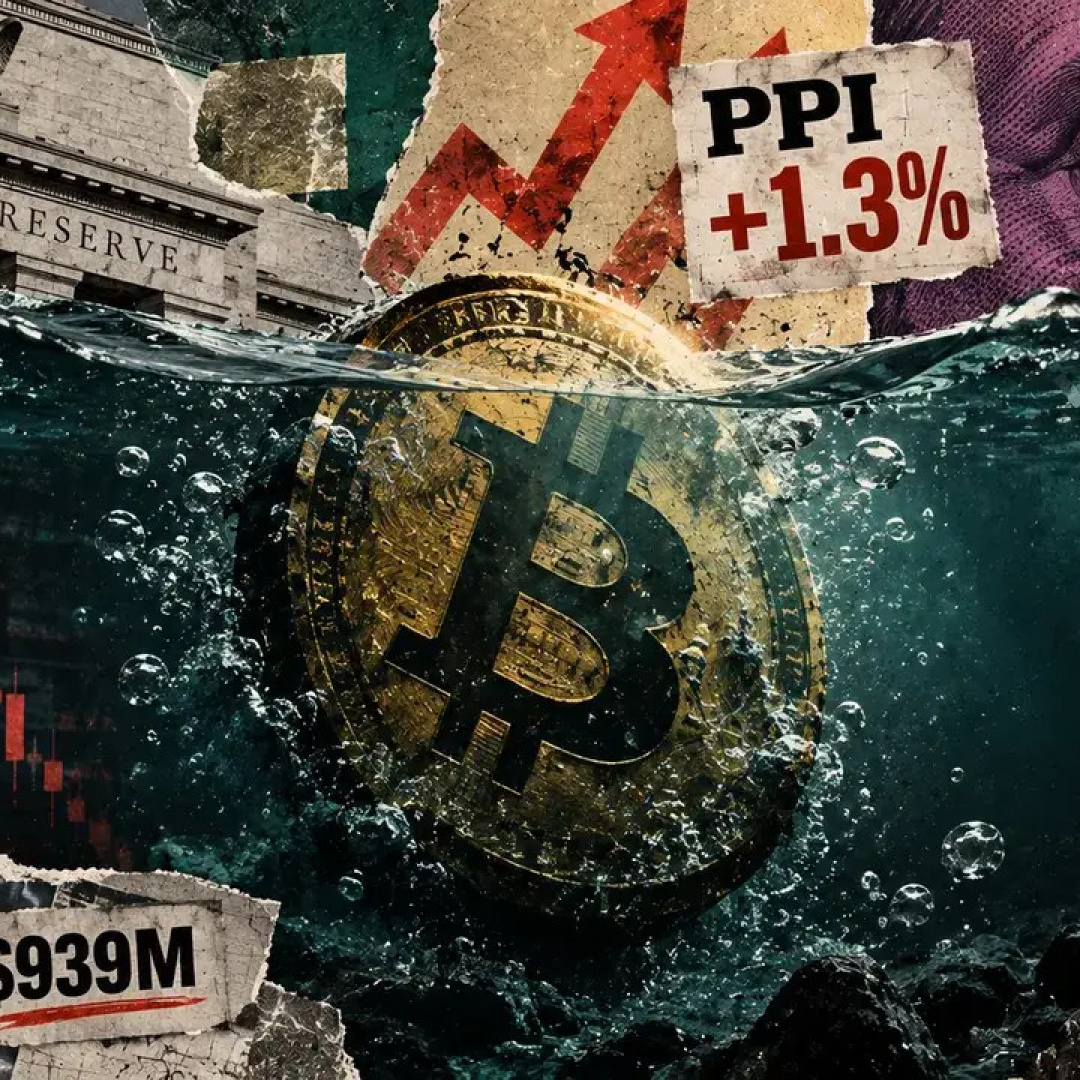
In its October 23 market outlook, Coinbase Institutional noted that interest-rate futures implied nearly an 80% probability of a rate increase in December, following a significant 1.3% surge in producer prices in September, marking the largest monthly increase since March 2022. The firm identified the $80,000 to $82,000 range as a crucial near-term support level for Bitcoin, coinciding with the estimated average acquisition price of U.S. spot Bitcoin ETF investors and the cryptocurrency's 50-day moving average. This support level is increasingly significant as Bitcoin faces pressure from rising Treasury yields, which offer returns that are not available from holding the cryptocurrency.
Market Dynamics and Fed Decisions Shape Bitcoin's Future
Coinbase estimated that yields on two-year Treasuries were approaching 4.8%, raising the opportunity cost of holding non-yielding assets like Bitcoin. Additionally, derivatives data indicated a market susceptible to changing expectations, with Bitcoin's one-month implied volatility near 35%, one of its lowest historical levels, while perpetual futures funding rates increased as leveraged traders rebuilt bullish positions. A policy surprise from the Fed could therefore test a market where traders have added leverage despite relatively low expectations for price fluctuations.
Ultimately, the BLS collection figures do not provide evidence that September's CPI overstated or understated inflation, nor do they suggest that investors have altered their positions specifically due to the agency's restoration efforts. The key question remains how the Federal Reserve interprets the existing inflation data when it announces its decision on October 28, especially in light of the recent acceleration in consumer and producer prices.