Poll Shows Economic Concerns Influence Voter Sentiment Ahead of Midterms
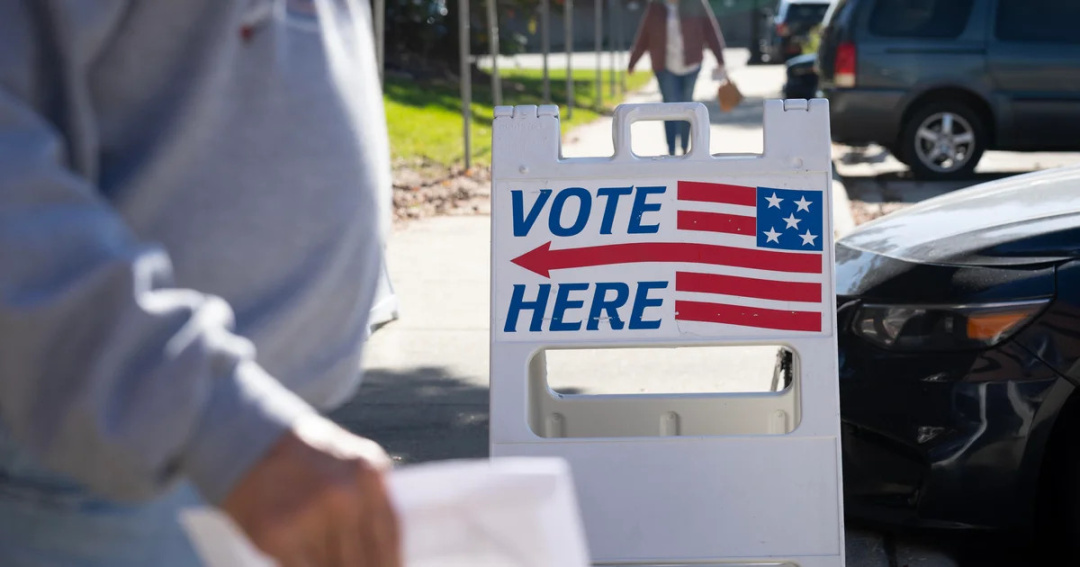
As the midterm elections draw near, a CBS News poll highlights the significant role of economic concerns, particularly inflation, in shaping voter motivations. The election is being characterized as an "avoidance" election, where many voters are more driven by the desire to prevent unfavorable outcomes than by positive aspirations for change. Currently, Democrats are projected to secure 229 seats in the House, according to CBS News' model, which translates voter preferences into potential congressional outcomes. While this lead remains stable, it has not expanded, indicating a lack of a significant wave of support for either party at this time.
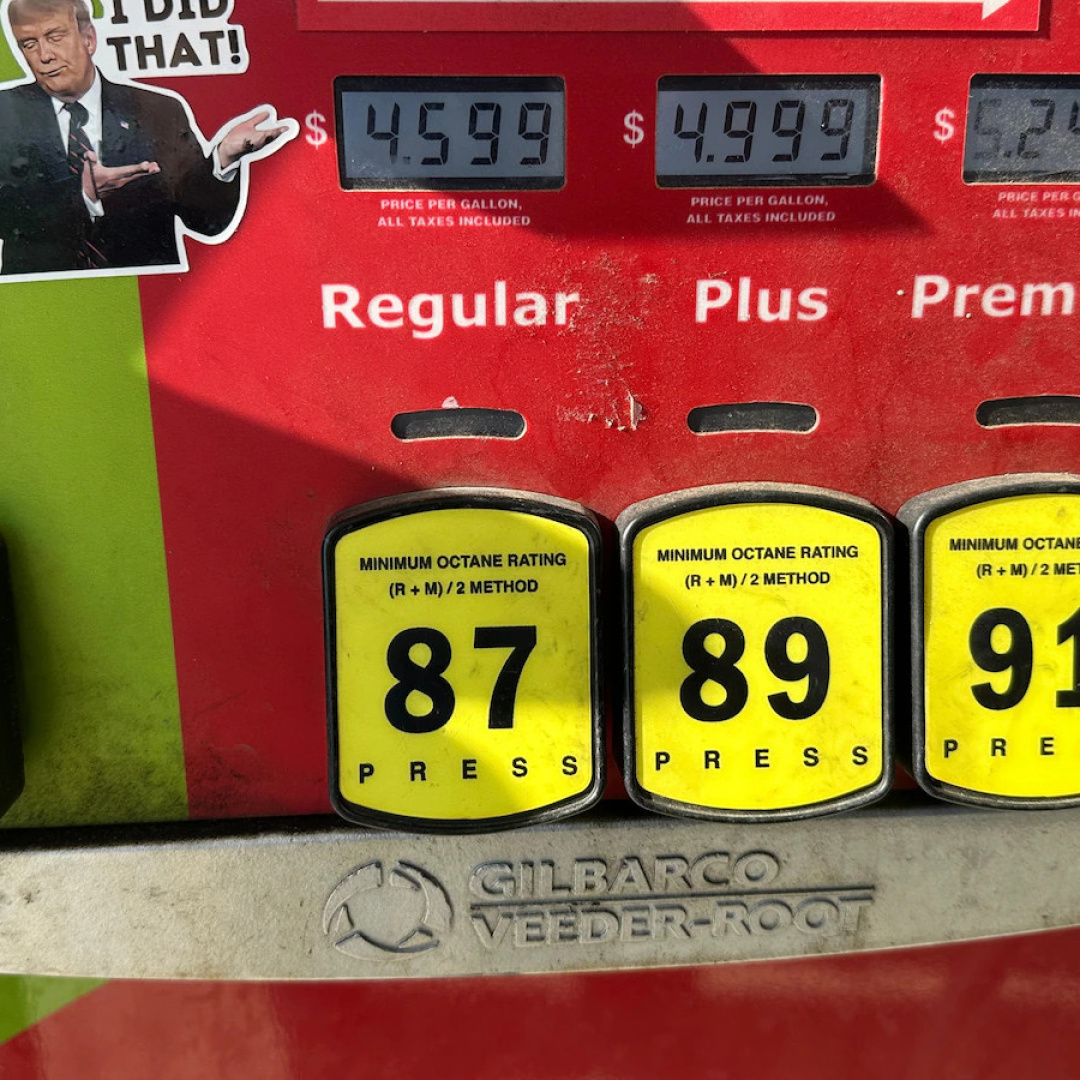
The poll indicates that undecided voters tend to lean more Republican, raising questions about their turnout and the potential impact on the election results. Voter sentiment reveals a strong motivation to oppose perceived threats, particularly regarding gas prices, with many believing that prices would rise if Republicans regain control. However, there is also skepticism about whether Democrats can effectively lower prices, as voters do not expect significant financial improvements regardless of the election outcome.
Market Reading & Resources
Sponsor funding complete. Trade on.
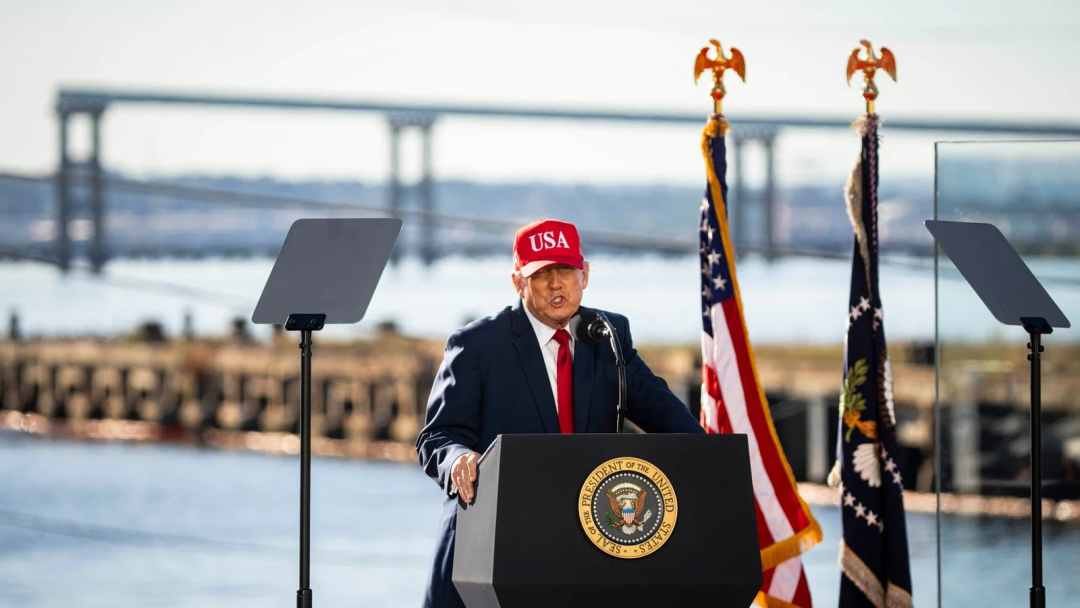
President Trump's influence looms large over the midterms, with a substantial portion of Democratic voters indicating that their support is primarily driven by opposition to him rather than a strong endorsement of Democratic policies. This dynamic suggests that while Democrats may be leading in the polls, their support is largely rooted in a reaction against Trump and the Republican Party, rather than a proactive agenda.
Voter Skepticism Highlights Challenges for Both Political Parties
The poll also reveals that both parties are viewed with skepticism regarding their plans for governance. A significant number of voters from both parties express doubts about whether their chosen party has a clear strategy for addressing the nation's challenges. This lack of confidence contributes to a pervasive sense of cynicism among the electorate, with many feeling that neither party will significantly improve their financial situation.
Economic Concerns Shape Voter Engagement Ahead of Elections
As the election approaches, the motivations of voters who identify as "probably" or "maybe" likely to vote could shift the balance. If these individuals become more engaged, the current projections could change dramatically. The poll underscores the importance of economic issues in the minds of voters, with inflation and financial stability remaining top concerns as they head to the polls.
The CBS News/YouGov survey, conducted with a nationally representative sample of 2,355 U.S. adults, highlights the complex interplay of economic concerns and political motivations as the midterm elections approach. The findings suggest that while Democrats currently hold an advantage, the evolving dynamics of voter turnout and sentiment could significantly influence the final outcome of the elections.