Federal Reserve Likely to Maintain Interest Rates Ahead of Midterms

The U.S. Federal Reserve is expected to hold interest rates steady during its upcoming meeting, according to analysts. This decision comes despite persistent inflation and market expectations for at least one rate hike before the end of the year. The Federal Open Market Committee (FOMC) is scheduled to meet over two days, with an announcement set for October 28, just ahead of the midterm elections on November 3.
For more than five years, the Fed has struggled to meet its long-term inflation target of 2 percent. In September, the FOMC raised the federal funds rate for the first time in three years, increasing the target range to between 3.75 percent and 4 percent. The upcoming meeting's timing, coinciding with critical elections, has raised questions about the influence of political factors on monetary policy.
Market Reading & Resources
Sponsor funding complete. Trade on.
Former Cleveland Fed President Loretta Mester stated that political considerations do not influence the Fed's decisions. She emphasized that the economic fundamentals indicate a need for continued rate hikes, as inflation remains above target levels and the labor market shows stability. Mester noted that while there is no evidence of inflation trending downward, many policymakers may prefer to hold rates steady at this meeting, potentially waiting until December to make further adjustments.
Fed's Strategy Aims to Avoid Political Entanglements Before Elections
Wendy Edelberg, a senior fellow at the Brookings Institution, echoed this sentiment, suggesting that the Fed would likely avoid making significant changes in the lead-up to the elections to prevent becoming entangled in political debates. She argued that delaying a rate hike until December would not have major economic implications and would help the Fed maintain its independence from political pressures.
Inflation Concerns Loom as Voters Approach the Polls
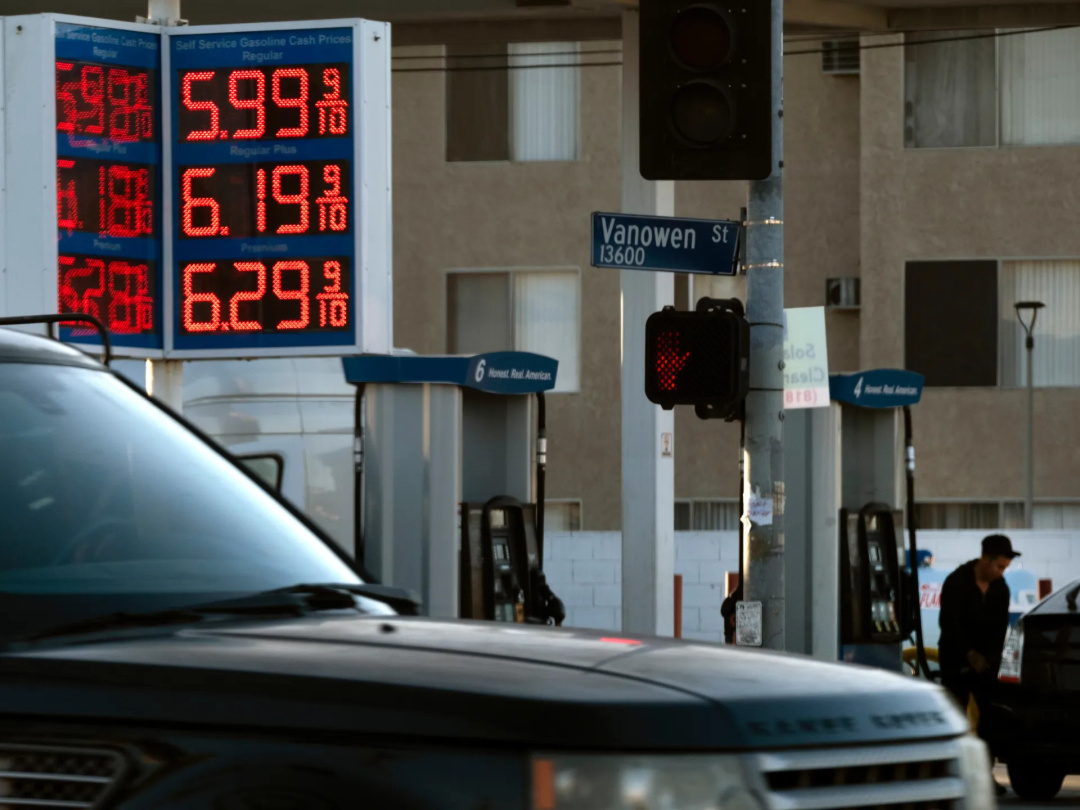
The Fed's preferred inflation measure, the Personal Consumption Expenditures (PCE) price index, reached a peak of 7.2 percent in 2022 before a series of rate hikes brought it down to approximately 2.2 percent by late 2024. However, recent geopolitical tensions, particularly following U.S. and Israeli actions against Iran, have led to soaring global energy prices, further complicating the inflation landscape. As energy costs rise, they are expected to impact prices across various goods and services, making inflation a key concern for voters as they approach the polls.
In summary, the Federal Reserve's decision to maintain interest rates in the face of inflationary pressures and political considerations reflects a cautious approach to monetary policy. The upcoming meeting will be closely watched as it may set the tone for economic policy in the months leading up to the end of the year.