National Internship Program Expands to Support Job Seekers
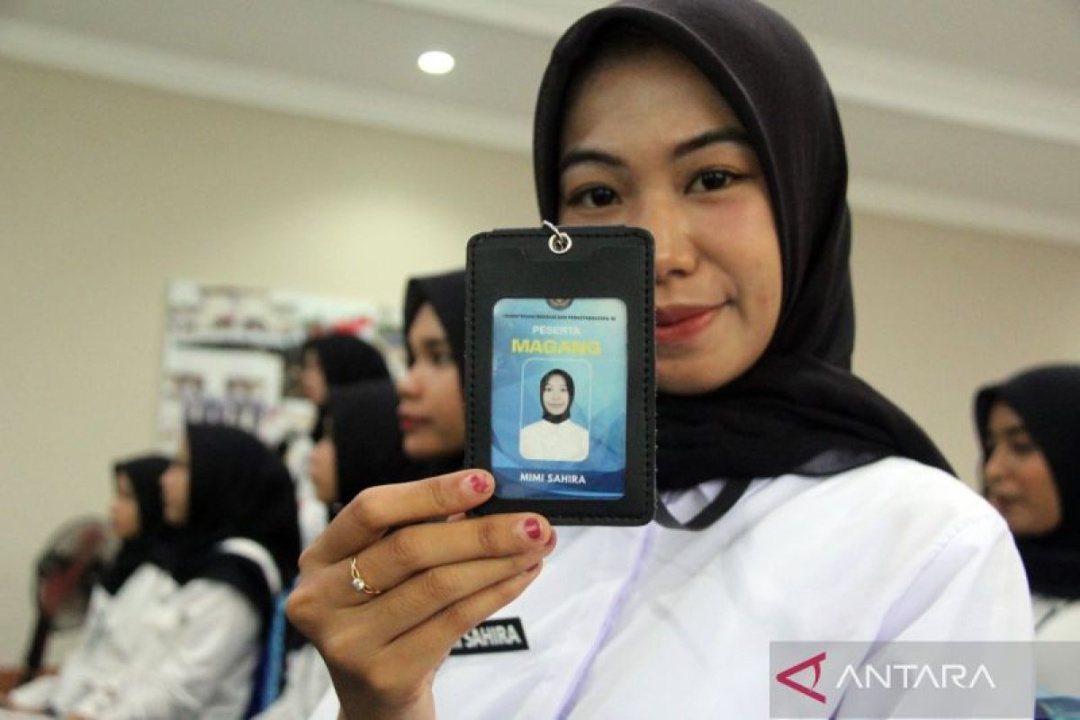
The National Internship Program, designed to assist university graduates in entering the workforce, has been significantly expanded by the Prabowo Subianto administration. Officially launched on June 29, 2026, the program now accommodates 150,000 participants, a 1.5-fold increase from the previous year, and offers placements across 8,800 state-owned and private enterprises throughout Indonesia. This initiative targets recent graduates holding associate, bachelor's, and professional degrees, who will engage in six-month internships under the guidance of mentors. Participants will receive monthly stipends ranging from Rp3.5 million to Rp6 million, depending on the local minimum wage standards.
This year's program marks a shift towards inclusivity, as it now includes professional degree holders and individuals with disabilities, expanding beyond the previous focus on associate and bachelor's degree graduates. The government has allocated Rp4.2 trillion (approximately US$232.2 million) for this second batch, part of a broader Rp6.26 trillion budget for internship and vocational training programs aimed at benefiting 420,000 individuals in the latter half of 2026.
Market Reading & Resources
Sponsor funding complete. Trade on.
The government's optimism is bolstered by the success of the inaugural program, where about 30% of the 100,000 participants secured permanent positions at their host companies, while another 30% are still in the recruitment process. Analysts have welcomed the stipend structure, which aligns with local minimum wages, viewing it as a significant advancement in supporting fresh graduates amid rising educated unemployment rates. Some experts regard the program as a social investment that could alleviate youth concerns about job availability if implemented consistently.
Despite these positive indicators, caution is warranted. Initial success does not guarantee sustainability, and the true effectiveness of the program will be assessed once the internships conclude. Key concerns include whether companies will genuinely offer quality job opportunities or if the program will merely serve as a temporary solution without long-term career prospects. The Manpower Ministry's internal evaluation has highlighted areas needing improvement, such as participant registration issues and varying mentorship quality across partner companies. Labor unions have also raised alarms about the risk of internships becoming substitutes for formal employment, emphasizing the need for a focus on learning and skill development rather than filling permanent roles.
The National Internship Program is at a pivotal moment, balancing its early achievements with rising expectations. Over its two years, the program has expanded significantly, becoming more inclusive and demonstrating measurable success. However, unresolved issues require attention, including ensuring that all interns receive appropriate mentorship and that communication among stakeholders remains clear to protect participants' rights. The business community must also be prepared to create job opportunities for graduates.
Moving forward, the challenge lies in maintaining high-quality mentorship for the 150,000 participants while safeguarding their rights throughout the program. Ultimately, the initiative's success will be determined by the job opportunities available to participants after their internships, transforming participation statistics into real solutions for Indonesia's labor challenges. Ensuring that graduates leave the program with enhanced skills and access to decent work will be crucial for the program's long-term impact.