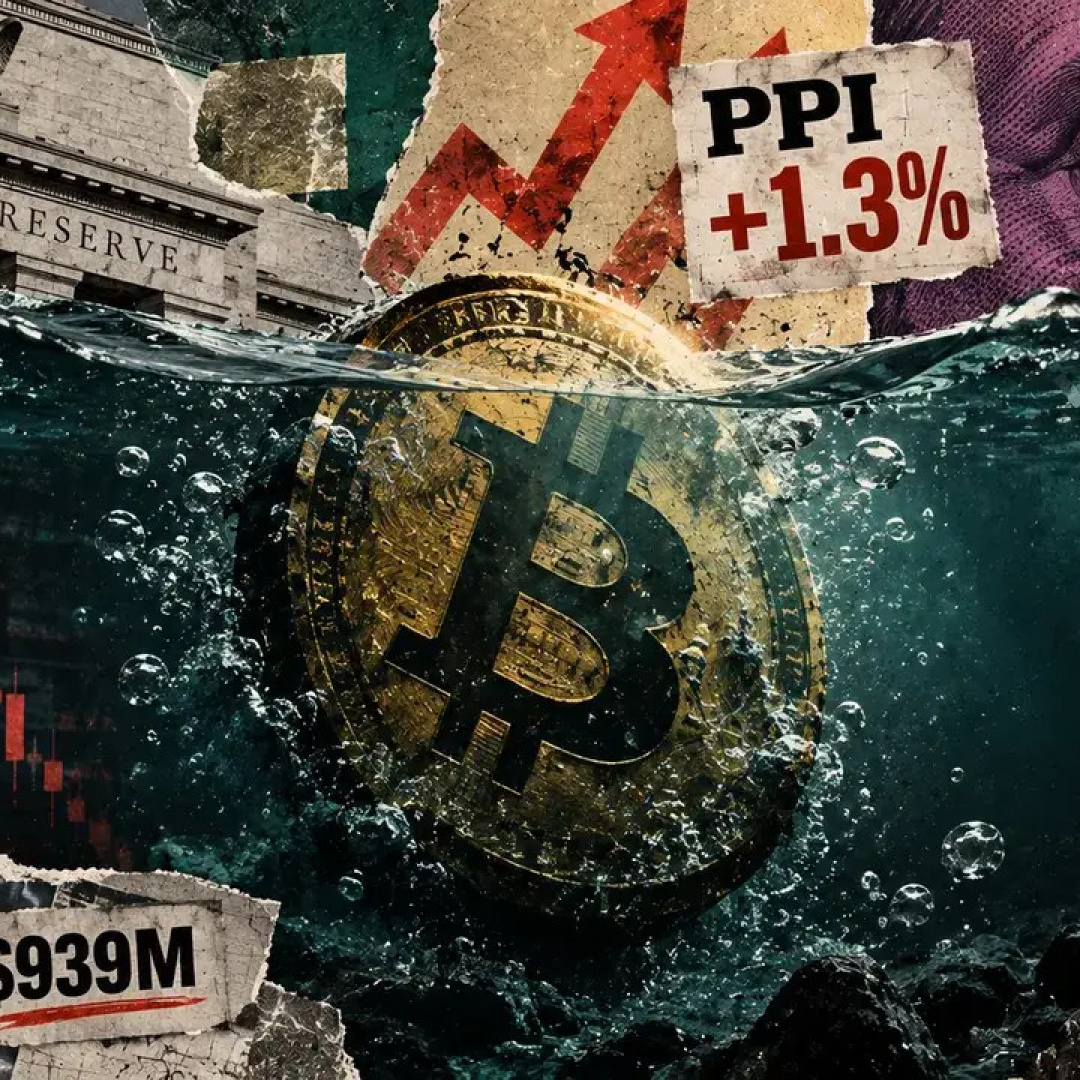
Brent Crude Surpasses $116, Influencing Crypto Market Sentiment
Brent crude oil has surged above $116 a barrel, reaching this level for the first time since April. This increase has caused ripples across various asset classes, including equities and cryptocurrencies, as traders are reminded of the significant influence energy prices hold over the market. The recent spike in oil prices coincides with new data from the University of Michigan, which indicates that consumers expect inflation to remain at 5% over the next year. This expectation complicates hopes for interest rate cuts that many investors have been banking on.
In the cryptocurrency market, Bitcoin is currently hovering around $81,000, reflecting a 3.1% decline over the past 24 hours. Over the past week, Bitcoin's decline is more modest at 1.0%, suggesting that the recent drop is largely concentrated in a single trading session. Ethereum has mirrored Bitcoin's performance, also falling by 3.1% and trading around $2,400. Such synchronized movements between the two largest cryptocurrencies typically indicate that macroeconomic factors are at play rather than issues specific to individual coins.
Market Reading & Resources
Sponsor funding complete. Trade on.
Other cryptocurrencies have also seen declines, with Solana dropping to $104 after a 2.9% decrease and XRP falling to $1.31. However, these movements do not signify a market crash but rather a collective response to the changing economic landscape. The Alternative.me Fear & Greed Index, which aggregates various market signals, currently sits at 50, indicating a neutral sentiment, down from 63 just a week prior, which was categorized as greed.
The connection between rising oil prices and inflation is not immediately apparent but can be understood as a chain reaction. Increased oil prices contribute to higher costs across the economy, affecting shipping, manufacturing, and consumer prices. This, in turn, leads to elevated inflation, which makes central banks hesitant to lower interest rates. Higher interest rates can diminish the appeal of speculative assets like cryptocurrencies, as investors seek safer investments.
The University of Michigan's inflation expectations add another layer of complexity. If consumers believe prices will continue to rise, they may adjust their spending and wage negotiations accordingly, perpetuating inflation. With inflation expectations holding steady at 5%, it becomes increasingly difficult for policymakers to argue that their efforts to combat inflation are effective. Coupled with oil prices above $116, the prospect of near-term monetary easing appears less likely.
Why Navigate Matters Here
As traders in the crypto market navigate this environment, the immediate concern is whether Brent crude can maintain its position above $116. A temporary spike may be disregarded, but a sustained increase could further pressure inflation forecasts and risk appetite. For crypto investors, the recent seven-day performance indicates that Bitcoin's weekly decline is relatively mild compared to its daily drop, suggesting it had been performing reasonably well before the oil price surge.
Looking ahead, upcoming inflation data will be crucial. If new figures align with the University of Michigan's expectations, it could reinforce the current risk-off sentiment. Conversely, a softer inflation report might revive hopes for interest rate cuts. The Fear & Greed Index's recent decline from 63 to 50 indicates that while enthusiasm has waned, it has not yet entered a state of fear. If the index continues to drop toward the 30s or 40s, it would signal a shift toward a more defensive market stance.
The correlation between major cryptocurrencies is also noteworthy. Bitcoin, Ethereum, and Solana have all experienced similar declines, underscoring that macroeconomic factors are currently driving market movements rather than individual project fundamentals. In such a scenario, diversifying across large-cap tokens may offer limited protection if all assets are reacting to the same external pressures.
Quantum-Resistant Tokens Shine Amid Broader Market Challenges
Interestingly, one segment of the crypto market has defied the broader trend. Quantum-resistant tokens, designed to withstand future quantum computing threats, have seen a remarkable 51.8% gain over the past week. This surge in a niche sector during a broader market pullback highlights the narrative-driven nature of trading in this space. Investors should remain cautious, as such rallies can attract latecomers just before momentum fades.
For equity investors, the implications are similar. Rising energy costs that contribute to inflation can negatively impact valuations in growth sectors, which is why both stocks and cryptocurrencies have reacted similarly to the recent oil price movements. The overarching message for those holding risk assets is that the inflation narrative is far from over. With oil prices above $116 and inflation expectations remaining high, the Federal Reserve's options are limited, forcing markets that had anticipated easier monetary policy to recalibrate in real time.