Oil Prices Surge Amid Saudi Attacks as Gold Declines

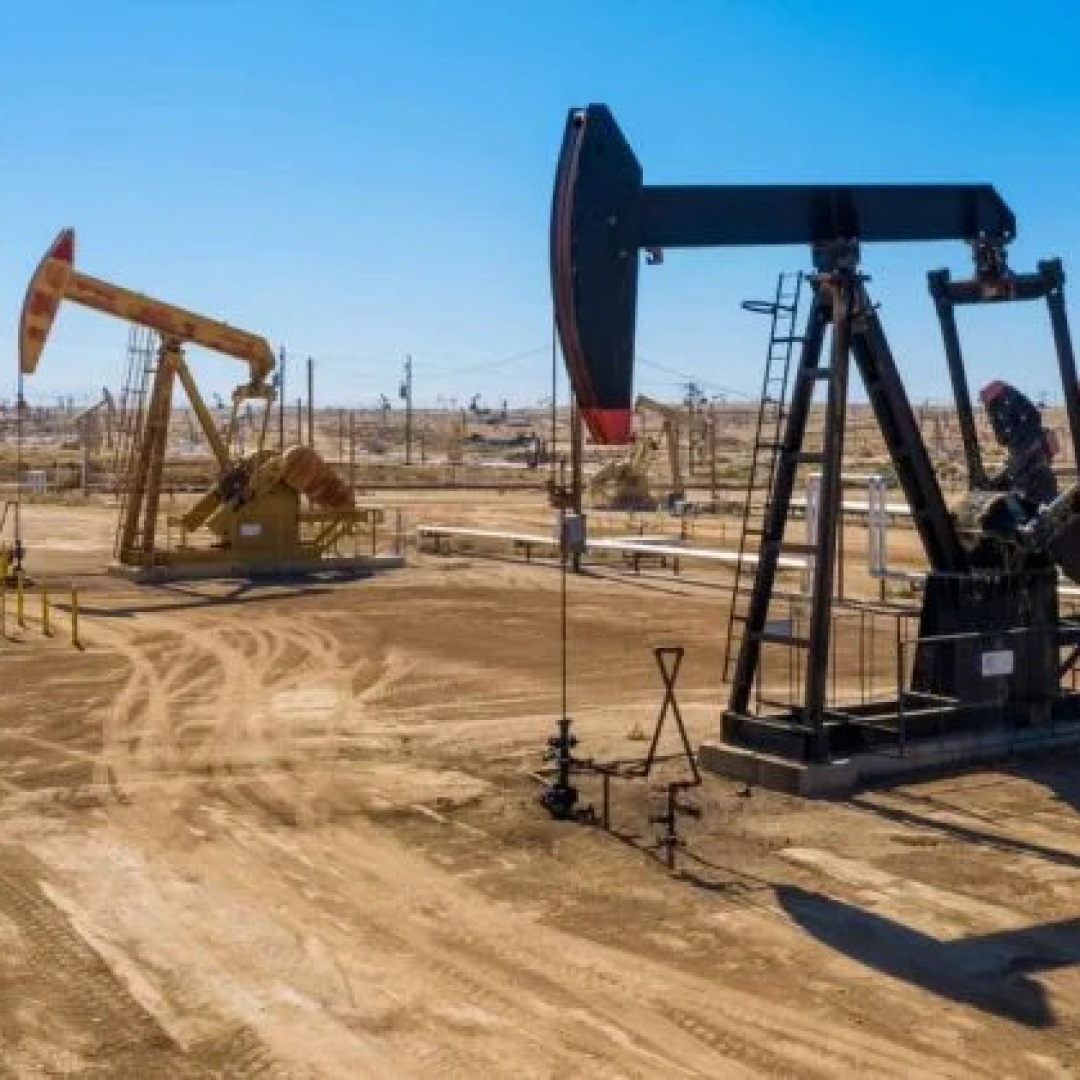
Oil prices surged to nearly $114 a barrel on October 23, following a series of attacks on Saudi Arabia that heightened concerns over energy supply disruptions. Brent crude futures increased by approximately 0.7 percent to $113.93 during morning trading, building on a 4 percent gain from the previous day, which saw prices close at $113.17, the highest since May.
In the U.S., West Texas Intermediate crude also saw a rise, ending the previous session 2.4 percent higher at $99.47. These price increases were attributed to further assaults by Yemen’s Iran-aligned Houthis targeting Saudi energy and transport facilities.
Market Reading & Resources
Sponsor funding complete. Trade on.
In response to the deteriorating security situation, the U.S. government ordered nonessential personnel and their families to leave Saudi Arabia. Additionally, Saudi Aramco directed its employees to work remotely from its headquarters in Dhahran, as reported by Reuters.
Rising Tensions Heighten Concerns Over Oil Supply Stability
Concerns over potential renewed U.S. military action against Iran further exacerbated worries about regional supply stability. PVM Oil analyst Tamas Varga noted that the ongoing attacks on shipping in the Strait of Hormuz and Saudi oil infrastructure were overshadowing indications of recovering crude exports from the Middle East.
Gold Prices Decline Amid Inflation and Interest Rate Pressures
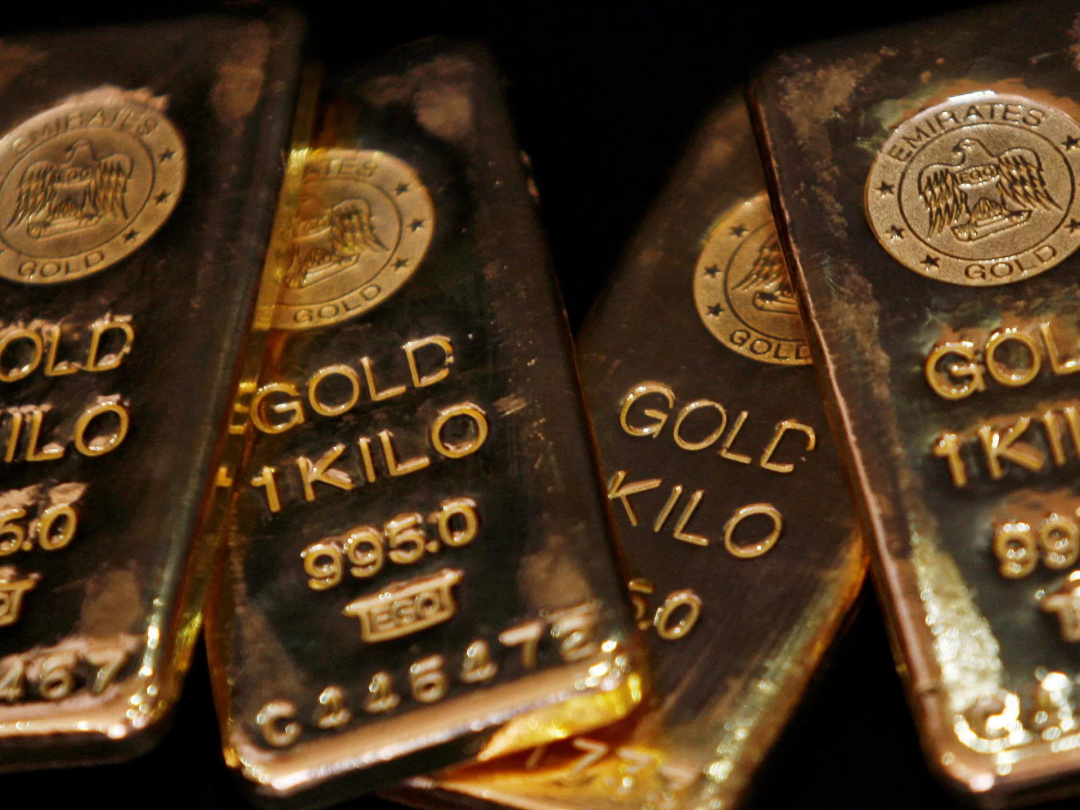
Meanwhile, gold prices remained under pressure, with spot gold dropping 0.2 percent to $4,016.27 an ounce in early trading, reaching its lowest level since July 20. The metal was on track for a weekly decline of about 3.5 percent, marking its largest loss since June. Higher energy costs have fueled inflation concerns, which, combined with expectations of sustained elevated U.S. interest rates, have negatively impacted gold's appeal as a non-yielding asset.
Investors are closely monitoring the upcoming U.S. Federal Reserve meeting scheduled for October 27-28, along with next week’s personal consumption expenditures inflation data, for further insights into future monetary policy directions.