Japan's Inflation Surges Above Target, Signaling Potential Rate Hike
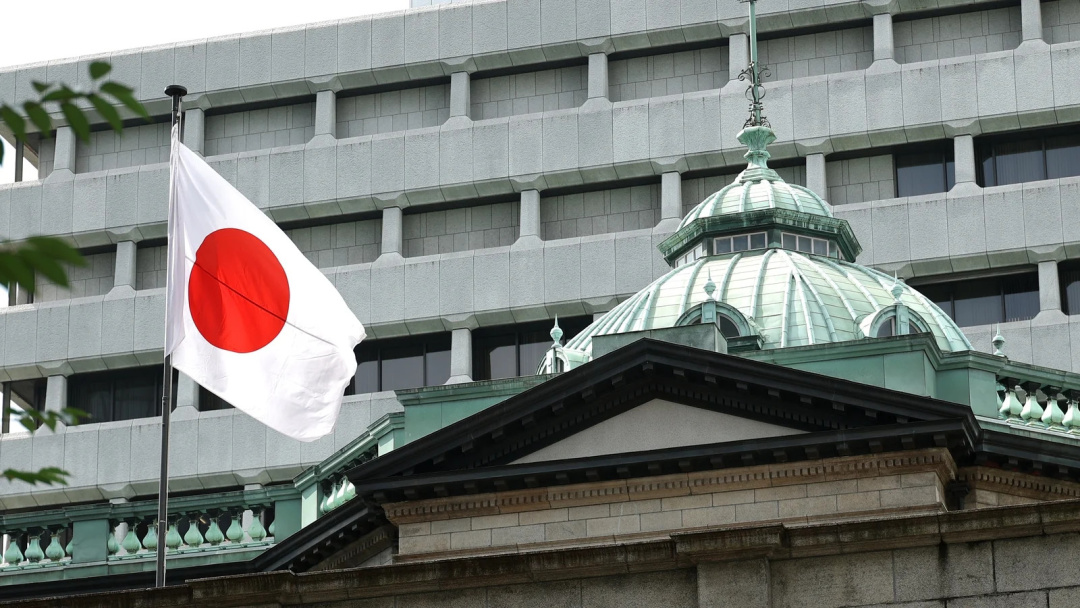
Inflation in Japan saw a significant increase in September, as official data revealed that it rose above the Bank of Japan's target level, paving the way for a potential interest rate hike. This acceleration in inflation was particularly influenced by rising prices for processed foods, set against a backdrop of soaring energy costs linked to ongoing conflicts in the Middle East.
According to the internal affairs ministry, when excluding volatile fresh produce, inflation stood at 2.1%, up from 1.7% in August. This figure aligns with market expectations and exceeds the central bank's 2% target, bolstering the case for further tightening of monetary policy. Abhijit Surya from Capital Economics noted that with underlying inflation now above the target, the rationale for additional rate hikes remains strong.
Market Reading & Resources
Sponsor funding complete. Trade on.
Reports suggest that the Bank of Japan may revise its inflation forecasts during its upcoming October meeting, setting the stage for another potential increase in December. The central bank had already raised interest rates in mid-September, following the trend of other major central banks worldwide, in response to persistent inflationary pressures driven by escalating energy prices due to the Iran conflict.
Additionally, a weak yen has contributed to the rising costs of imported goods, further complicating the inflation landscape. The data also indicated that rents and car-related expenses played a role in the inflation increase, with rent inflation reaching its highest level in nearly 25 years.
Government Measures Mitigate Inflation's Impact on Consumers
Despite these pressures, government interventions, such as support for gasoline and electricity prices, have somewhat mitigated the impact of rising energy costs. The internal affairs ministry reported that when food and energy costs are excluded, inflation was recorded at 2.4%, surpassing market expectations following a figure of 1.9% in August.
Japan's Response to Inflation: Stimulus and Tax Relief Initiatives
In an effort to alleviate the burden of inflation on households, the Japanese government is implementing measures including a substantial stimulus package introduced at the end of 2025 and extensive tax breaks on energy. Prime Minister Sanae Takaichi's predecessors faced significant challenges due to public dissatisfaction over inflation, prompting the government to announce a reduction in the consumption tax on food products from 8% to 1% for two years starting in April. However, this move is expected to cost the government approximately 10 trillion yen, equivalent to $63 billion, in lost tax revenues, raising concerns about Japan's already precarious public finances, where national debt exceeds double the annual economic output.
Japan's heavy reliance on oil imports, given its resource-poor status, further complicates the economic situation as the country navigates these inflationary pressures.