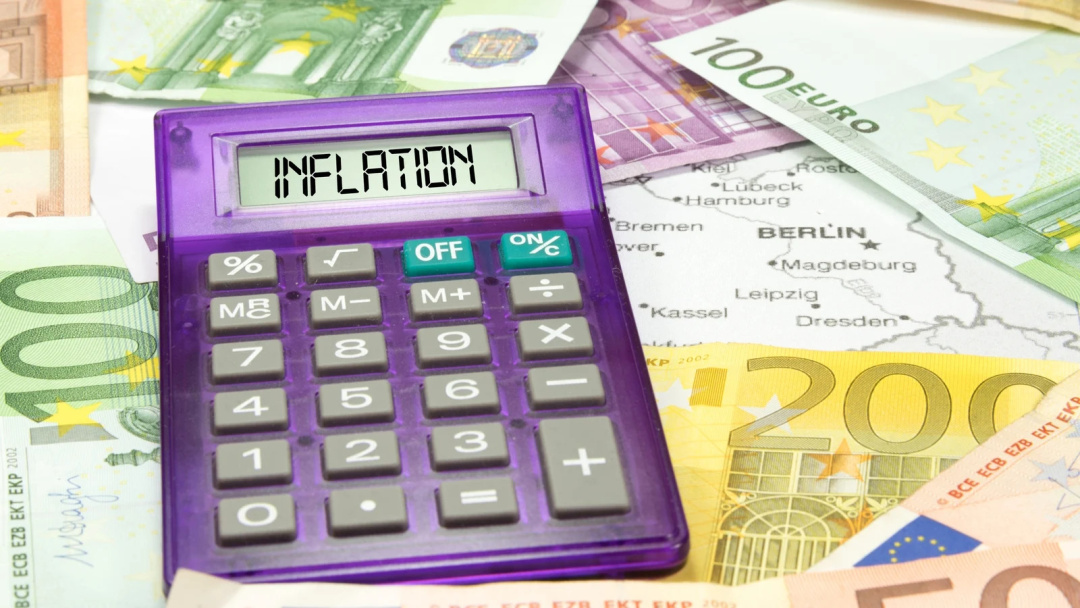
European Central Bank Faces Inflation Challenges Ahead of Meeting
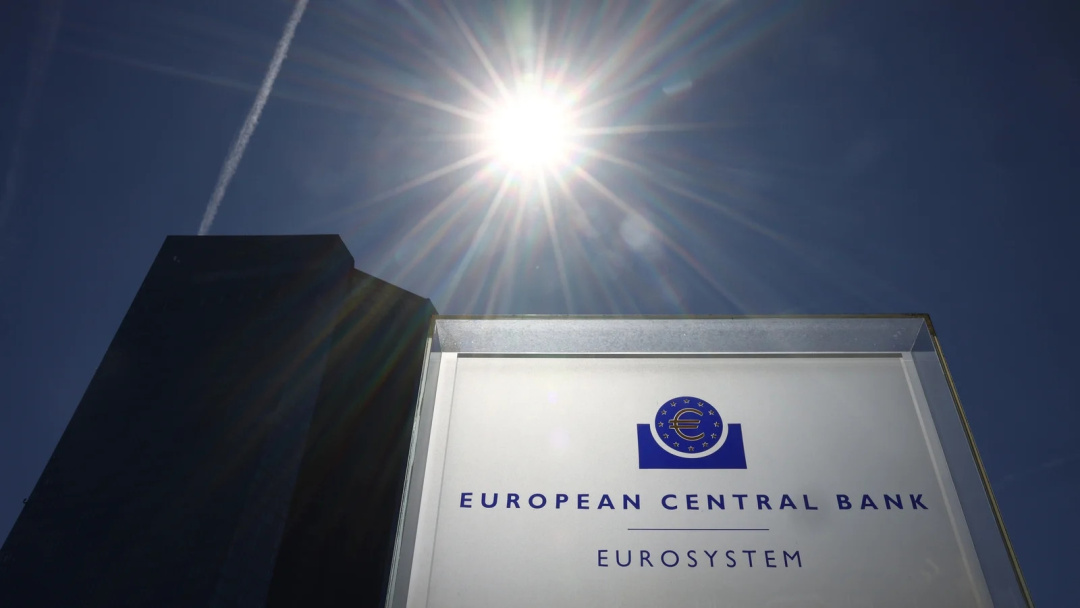
The European Central Bank (ECB) is scheduled to meet next Thursday, facing significant challenges related to inflation and geopolitical instability. The ongoing conflict in Iran has contributed to energy prices remaining above $100, which has heightened inflation risks across the Eurozone. David Coombs, head of multi-asset investments at Rathbones Asset Management, noted the difficulty in setting rates under such conditions.
Market analysts widely expect the ECB to maintain its key interest rate at 2.5% during this meeting. This pause follows rate hikes implemented in June and September, aimed at countering rising inflation driven by increased energy costs. Economists surveyed by Reuters predict a potential quarter-point rate hike in December, indicating that the ECB is still concerned about inflation despite the current pause.
Market Reading & Resources
Sponsor funding complete. Trade on.
The ECB's approach is likely to remain data-dependent, as policymakers navigate the delicate balance between high inflation, which stood at 3.8% in September, and the potential negative impact of rising government bond yields on economic growth. ECB President Christine Lagarde has referred to the need for a "measured response" to these challenges, emphasizing the importance of monitoring financial conditions closely.
Analysts have pointed out that while energy prices are a concern, recent data suggests that core inflation, which excludes food and fuel, has only seen a slight increase, indicating that the high energy costs have not yet triggered a broader inflationary spiral. However, with oil prices rising nearly 80% this year and headline inflation exceeding the ECB's 2% target, vigilance remains crucial.
French Economic Turmoil Complicates ECB's Decision-Making
The situation in France adds another layer of complexity for the ECB. French 10-year borrowing costs have recently surged to 24-year highs, and the government is grappling with violent protests that could undermine fiscal stability. The premium investors demand for holding French bonds over safer German bonds has also increased significantly.
Navigating Rate Hikes Amid Geopolitical Uncertainty
As the ECB prepares for its meeting, it is clear that the potential for future rate hikes remains contingent on the evolution of geopolitical tensions and their impact on energy prices. The ECB is expected to remain cautious, particularly if a crisis in France threatens to adversely affect economic growth across the Eurozone. Lagarde has indicated that France must address its own fiscal challenges through consolidation, rather than relying on ECB interventions.
Looking ahead, the ECB's decisions will be closely scrutinized, especially in light of the upcoming leadership changes within the institution. Lagarde's term is set to end next October, and her potential departure could influence the ECB's future direction as it navigates these complex economic challenges.