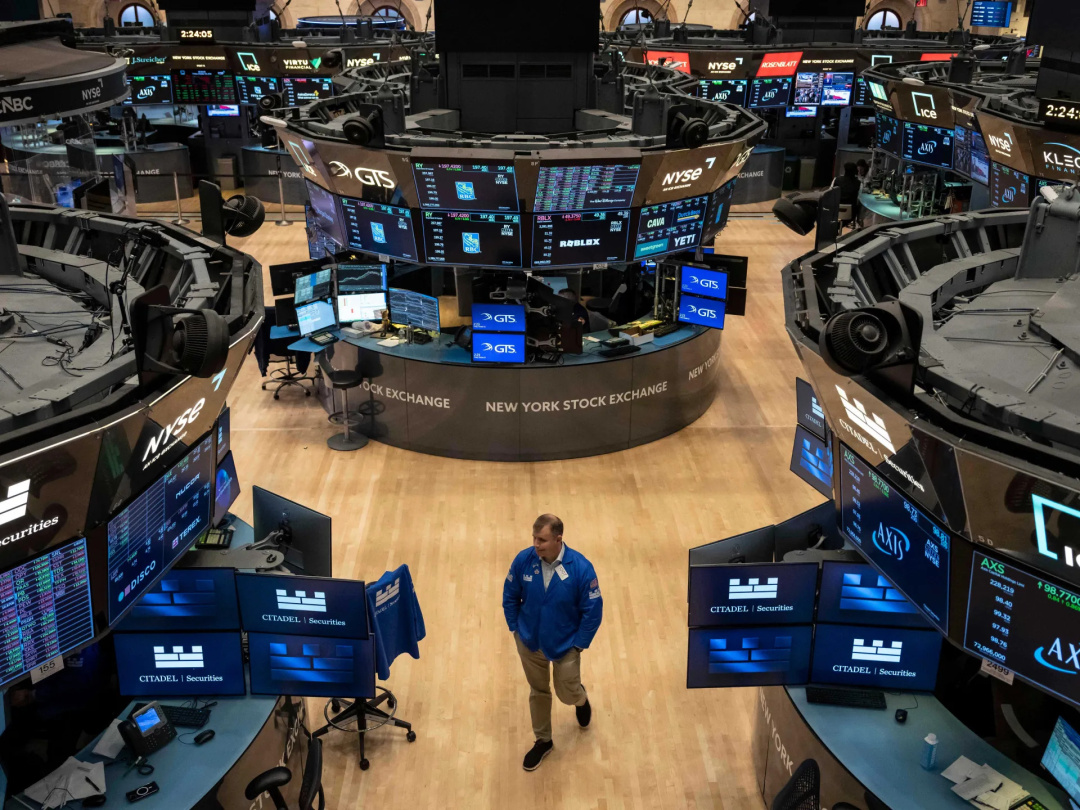
Nasdaq Composite Rises 0.59% as Tech Stocks Rebound Amid Easing Oil Prices

The Nasdaq Composite advanced 0.59% to 26,585.47 during Tuesday’s trading session on October 20, 2026, as Wall Street recovered from recent technology-led losses. A rebound in technology-linked shares, strength across several market sectors, and easing oil prices helped support investor sentiment. However, concerns about artificial intelligence (AI) infrastructure spending, financing costs, and the outlook for technology earnings remained in focus. Investors are also watching quarterly results from major companies, including Netflix, SpaceX, Meta Platforms, and Tesla, for clues about the next direction of the US stock market. The reported Nasdaq figure is an intraday reading and should not be treated as the final closing level.
The Nasdaq Composite moved higher on Tuesday after US stocks initially opened lower amid renewed weakness in AI-linked shares and a rebound in oil prices. The market subsequently recovered as healthcare and financial stocks strengthened and investors reassessed the outlook for corporate earnings.
Market Reading & Resources
Sponsor funding complete. Trade on.
At 10:31 a.m. Eastern Time, the Nasdaq Composite was up 154.58 points, or 0.59%, at 26,585.47. The recovery followed Monday’s advance, when the technology-heavy index gained 1.11% as investors returned to chipmakers and other AI-related stocks following a sharp selloff the previous week.
The Nasdaq Composite’s advance reflected a broader improvement in Wall Street sentiment. The index, which includes many major technology and growth companies, has faced pressure as investors question whether the substantial cost of developing AI infrastructure will translate into sustainable profits.
The latest gains indicate that buyers returned to parts of the technology market, although the recovery remains vulnerable to earnings surprises, changing interest-rate expectations, and further concerns about AI-related financing. Investors will be looking for evidence that the rebound can continue beyond a short-term recovery.
The Nasdaq-100, which tracks 100 of the largest non-financial companies listed on the Nasdaq exchange, is another key benchmark for investors monitoring large-cap technology stocks. Its performance can provide additional insight into whether heavyweight growth companies are participating in the wider market recovery.
Technology shares remain sensitive to changes in bond yields, expectations for Federal Reserve policy, and forecasts for corporate earnings. Investors are also assessing whether current valuations adequately reflect the costs and potential returns associated with AI investments.
AI-related stocks remained an important focus after last week’s selloff raised concerns about the cost of financing data centers and advanced computing infrastructure. On Tuesday, CoreWeave shares gained 1.6%, while the Philadelphia Semiconductor Index advanced 0.4% during the reported session.
The modest recovery followed a difficult period for semiconductor stocks. On Monday, the Philadelphia Semiconductor Index rose 1.6%, ending an eight-session losing streak during which it had fallen approximately 15.7%.
Investors are now evaluating whether the recent rebound reflects renewed confidence in the AI growth outlook or a temporary recovery after substantial losses. Upcoming earnings and company guidance may provide further clarity on demand for chips, cloud computing capacity, and data-center infrastructure.
Oil prices are another factor influencing the outlook for US equities. Brent crude fell 1.3% in Tuesday’s trading after reaching a near five-month high earlier in the day.
Lower oil prices can ease concerns about inflation and business costs, potentially supporting investor sentiment. However, energy markets remain sensitive to geopolitical developments and possible disruptions to global supply.
Direct Takes Center Stage
For technology companies, the direct impact of crude prices may be less significant than for airlines, transport businesses, and energy-intensive industries. Nevertheless, a sustained increase in energy prices could affect inflation expectations and complicate the outlook for interest rates, indirectly influencing stock valuations.
The Nasdaq’s gains were accompanied by advances in the other major US stock indexes. At 10:31 a.m. ET on October 20, the Dow Jones Industrial Average climbed 617.62 points, or 1.22%, to 52,599.29, while the S&P 500 rose 53.99 points, or 0.70%, to 7,744.72.
The Dow outperformed the technology-heavy Nasdaq during the reported snapshot, supported by strength in healthcare and financial stocks. Healthcare shares reached a record high, while financial stocks also advanced.
The cross-market gains suggest that the recovery extended beyond technology companies. However, index movements remained subject to changes in individual stocks, incoming earnings reports, and developments in oil markets. All figures represent intraday levels, not confirmed closing prices.
Corporate earnings are likely to remain a major driver of Nasdaq trading this week. Netflix and SpaceX were scheduled to report quarterly results after Tuesday’s market close, while Meta Platforms and Tesla were expected to announce their results on Wednesday.
Investors will examine revenue growth, profit margins, forward guidance, and management commentary for indications of how companies are navigating a challenging economic environment. For technology businesses, spending on AI development and infrastructure will be particularly important.
Strong results could help support the recovery in growth stocks, while weaker-than-expected forecasts or concerns about spending could renew selling pressure. Investors should also distinguish between announced earnings dates and results that have actually been released.
The Nasdaq’s advance reflects a combination of recovering technology shares, improving sentiment across Wall Street, and easing oil prices. Investors are also positioning around a busy earnings calendar that could influence expectations for corporate growth.
At the same time, uncertainty remains over AI infrastructure costs, financing requirements, and the possibility that higher borrowing costs could limit investment. These issues have weighed on technology and semiconductor shares in recent sessions.
Monitoring Key Indicators for Sustained Market Recovery
The direction of the index will depend on whether corporate results and economic developments provide enough support to sustain the rebound.
Investors should track the Nasdaq Composite’s eventual closing level, the performance of major technology stocks, semiconductor shares, and developments in crude oil prices. The upcoming earnings reports from Netflix, SpaceX, Meta Platforms, and Tesla may also influence sentiment across growth-oriented stocks. Federal Reserve expectations, inflation concerns, and geopolitical developments remain additional factors to monitor. A continued advance could indicate improving risk appetite, while renewed weakness in AI-related shares could put pressure on the technology-heavy index. The intraday gain alone does not establish a lasting market trend. Investors will need to assess subsequent price movements and company guidance before drawing conclusions about the sustainability of the recovery.