Consumer Sentiment in Michigan Declines Ahead of Midterm Elections
As autumn unfolds, Michigan finds itself in the midst of both campaign and cider season. At the Franklin Cider Mill in suburban Detroit, visitors were asked about their financial situations just weeks before the upcoming Election Day. Many expressed struggles, with one woman stating, "I would say most are struggling, if I'm being honest," while another man remarked, "I don't feel great about the economy right now."
High school principal Jeffrey Robinson succinctly captured the mood, saying, "It sucks." He noted that parents are having difficulty affording gas for carpooling. Joanne Hsu, who oversees the University of Michigan's long-running consumer sentiment survey, confirmed the widespread gloom. She indicated that consumer sentiment has plummeted to levels not seen since the stagflation of the 1970s and the financial crisis of 2008.
Market Reading & Resources
Sponsor funding complete. Trade on.
Hsu pointed out that all political groups—Democrats, Independents, and Republicans—are feeling worse about the economy under the current administration compared to the previous one. Despite some positive economic indicators, such as a rising stock market and increasing wages, many consumers feel that their earnings are not keeping pace with inflation. Hsu highlighted a significant drop in the percentage of consumers expecting wage growth to outstrip inflation, from 18% to just 11% in a year and a half.
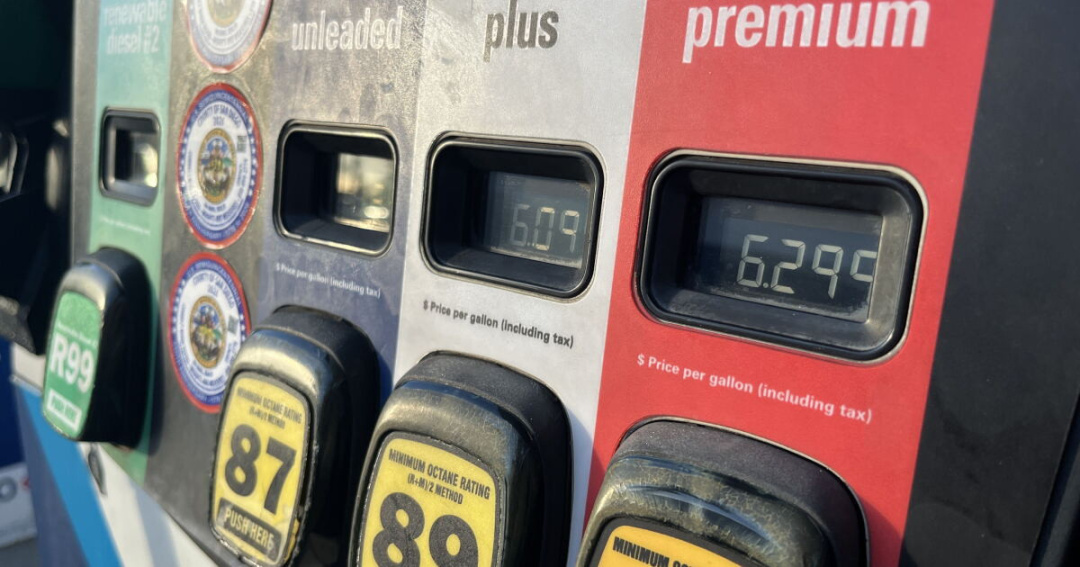
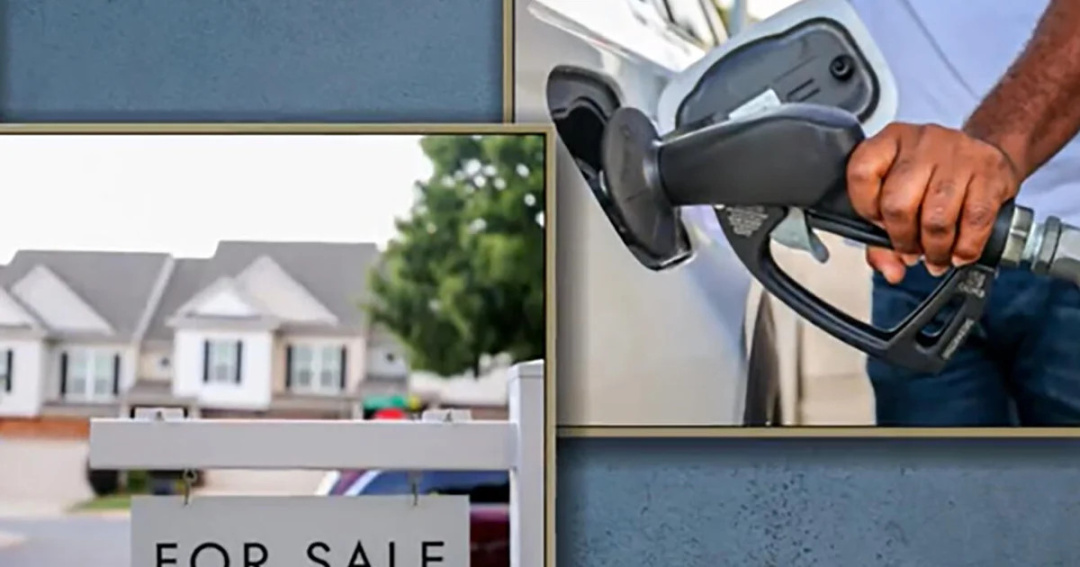
The sentiment shift is notable, especially considering that consumer confidence initially rose after the re-election of former President Trump. However, he has not fulfilled key promises made during his campaign, particularly regarding inflation. Grocery prices have risen over four percent in the past two years, and gas prices have surged by 35%. Additionally, mortgage rates are projected to remain above seven percent, impacting homebuyers significantly.
Challenges in the Housing Market Reflect Broader Economic Concerns
Real estate agent Michael Perna noted that homes that would typically sell quickly are now lingering on the market due to affordability issues. He explained that rising mortgage rates have reduced buyers' purchasing power, leading to a negative outlook on the economy.
Voter Sentiment Mirrors Economic Frustrations Ahead of Elections
As voters prepare to head to the polls, the question remains: will this pervasive dissatisfaction translate into electoral consequences? While some individuals at the cider mill remain hopeful, others are critical of the current administration's economic policies. One woman expressed concern over tariffs, stating, "It raises all of our prices, so it's hard," while another man voiced disappointment, saying, "He promised us, and I don't think he kept his promise."
The prevailing sentiment among many Michiganders is one of uncertainty and frustration. As Jeffrey Robinson noted, "The average public is paying a price," reflecting the broader economic struggles faced by consumers today.