Trump Waives New Tariffs on Russia as October 18 Deadline Approaches
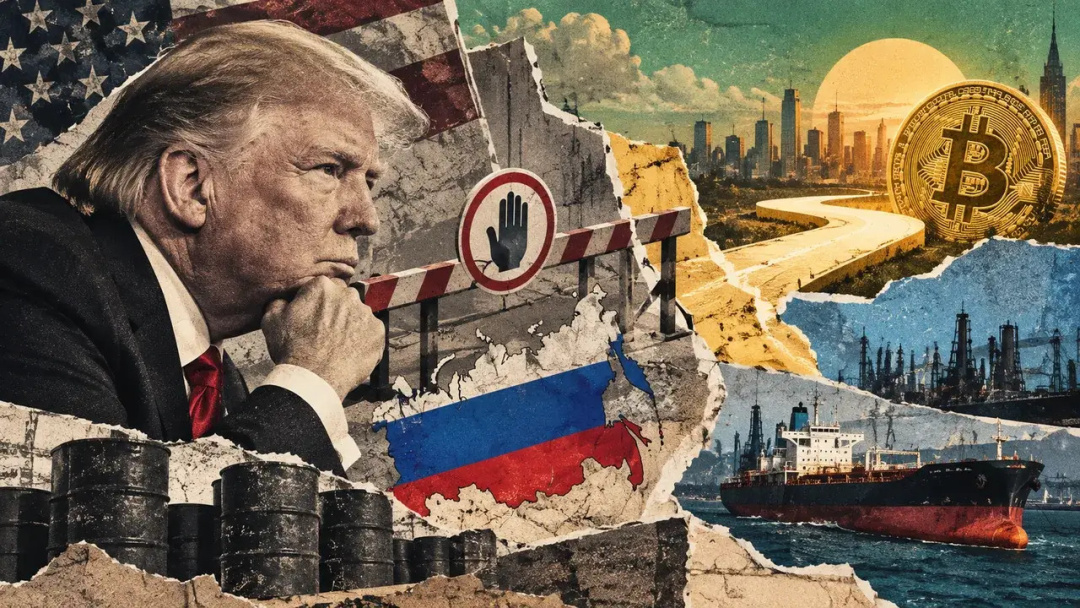
President Donald Trump issued an order on October 16 waiving new tariffs associated with Russia, preventing these additional duties from taking effect as the October 18 deadline approaches. This date is significant as it relates to targeting specific countries over new purchases of Russian energy. The waiver alters one potential risk concerning inflation and financing costs for Bitcoin.
The order enforces the Lindsey O. Graham Sanctioning Russia and Iran Act of 2026, which imposes additional tariffs of 500% on Russian goods and 100% on goods from two specific groups: the five largest importers of Russian oil and gas that knowingly make new purchases after October 18, and the top five facilitators of evading Russian oil sanctions. However, the order also includes exceptions that allow for the waiving of these duties.
Market Reading & Resources
Sponsor funding complete. Trade on.
These waivers do not have a fixed expiration date and will remain in effect until the president or the secretary of state decides further action is necessary, in consultation with the Treasury secretary and the U.S. trade representative.
Previous sanctions remain intact within the scope of this order, preserving measures from executive orders that address the emergency concerning harmful foreign activities from Russia, including actions against individuals already sanctioned under those orders.
A report from CryptoSlate on September 19 characterized October 18 as a critical test for implementation and indicated that waivers could mitigate potential economic shocks. The administration has now exercised its authority to waive these tariffs, leaving future waiver decisions as a key policy trigger.
Monitoring Russian Energy Purchases Amid Tariff Waivers
The order does not specify which countries fall into the two targeted groups but instructs the U.S. trade representative and other officials to monitor Russian energy purchases and any facilitation of sanctions evasion, including circumstances that might necessitate action regarding the waivers.
Maintaining the waiver on new duties could help avoid an additional tariff and energy-inflation shock, potentially alleviating one source of pressure on financing conditions. This could, in turn, ease some funding pressures on Bitcoin.
Federal Reserve Governor Christopher Waller highlighted these constraints in a speech on October 8, where he noted that elevated energy costs and the threat of new tariffs are persistent inflationary pressures. He indicated that if incoming data continues on its current trajectory, further interest rate increases may be anticipated.
Implications for Cryptocurrency Amid Evolving Trade Policies
The connection to cryptocurrency is evident through financial conditions. Research from BIS Working Paper 1219, published in October 2024, found that tightening U.S. monetary policy has historically weakened cryptocurrency prices and reduced the market capitalization of stablecoins, while assets in prime money market funds have increased. These findings suggest a general link between U.S. policy and demand and liquidity in the cryptocurrency market.
As the situation evolves, key signals to monitor include any changes to the waivers and whether renewed trade pressures impact energy prices, inflation expectations, or financing conditions.