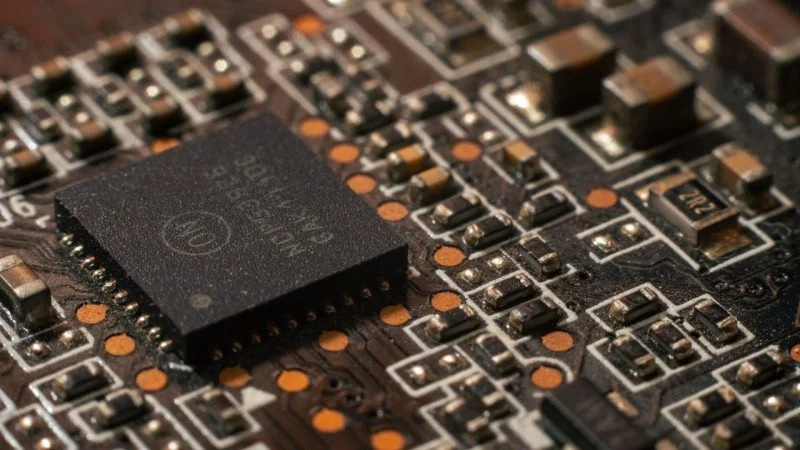
US Chip Stocks Experience Longest Losing Streak Since 2008
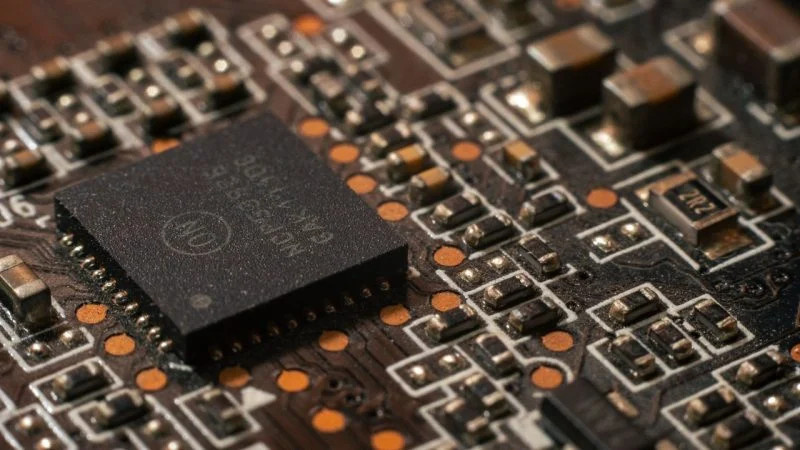
The Philadelphia Semiconductor Index, commonly referred to as the SOX, has experienced a significant downturn, falling 16% over eight consecutive trading sessions. This marks the index's longest losing streak since October 2008, raising concerns among investors and portfolio managers alike.
The decline began on October 6 and continued through mid-October 2026, culminating in a particularly steep drop of 3.83% on October 16-17, when the index closed at 11,137.29. Notably, all 30 stocks within the index finished lower on that day, with Arm Holdings suffering a notable loss of approximately 7%. Other major players, including Broadcom, Micron, AMD, Intel, Lam Research, and KLA, each saw declines of about 5%.
Market Reading & Resources
Sponsor funding complete. Trade on.
The repercussions of this selloff extended beyond the index itself, with more than $1 trillion in market capitalization erased across AI and semiconductor stocks during this period. Short sellers capitalized on the downturn, reportedly securing an estimated $32 billion in gross paper gains over the span of just seven days, during which the index dropped more than 12%.
CoreWeave, an AI cloud provider, emerged as a significant indicator of the market's health, witnessing its shares plummet nearly 12% in a single session and a total decline of about 25% over five sessions. The company's bond yields surged above 15%, signaling that lenders are demanding a higher risk premium to hold its debt. This situation is critical for chipmakers, as AI cloud operators like CoreWeave are major customers, purchasing substantial quantities of chips to support their data centers. If borrowing becomes more difficult or expensive, it could lead to a reduction in purchase orders for these chips.
Concerns Over Debt and Inflation Drive Semiconductor Market Decline
The severity of this downturn is particularly striking when considering the index's performance prior to the decline. Before the downturn began in early October, the SOX had risen more than 60% for the year 2026. However, two major concerns emerged simultaneously: the ongoing debt issues facing AI cloud operators and an unexpected inflation reading that reignited fears of prolonged elevated interest rates.
The impact of this selloff was not limited to semiconductor stocks; the broader Nasdaq Composite and S&P 500 indices also felt the effects. This downturn was primarily driven by financing concerns rather than a decrease in chip demand, which typically manifests in earnings reports. Instead, the financing issues became apparent first in the bond markets, as evidenced by CoreWeave's soaring yields.
Navigating Uncertainty in the Semiconductor Sector
Investors who believed they could mitigate risk by diversifying their portfolios with both chip designers and equipment manufacturers learned that during a sentiment-driven selloff, such diversification may offer little protection. The simultaneous decline of all 30 semiconductor stocks on the same day highlighted the interconnectedness of these investments.
As the market continues to grapple with these challenges, the estimated $32 billion in paper gains for short sellers underscores how crowded the long side of the AI trade had become. The future of US chip stocks remains uncertain as investors navigate these turbulent waters.