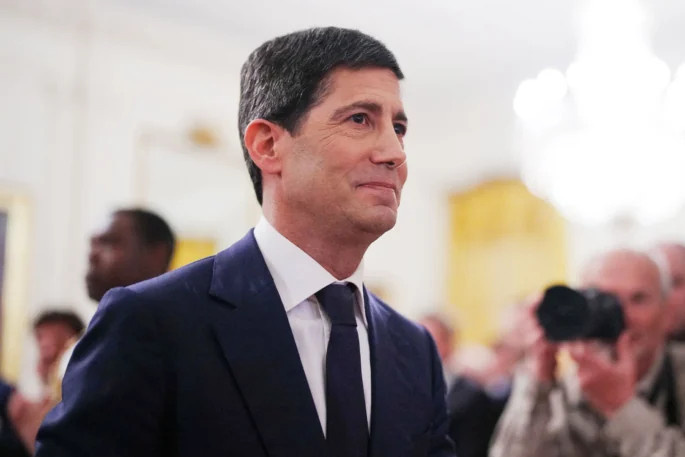
Fed Governor Waller Responds to Trump's Call for Rate Cuts
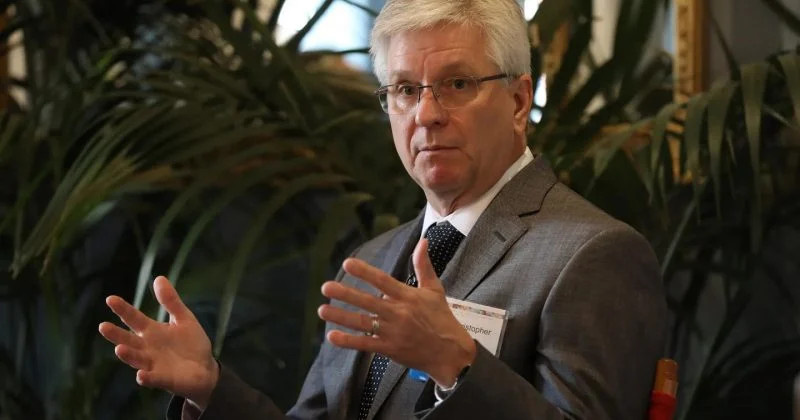
Christopher Waller, a Federal Reserve governor appointed by Donald Trump, is pushing back against the president's repeated calls for lower interest rates. Waller advocates for rate cuts but insists on doing so on his own terms and timeline, relying on his own analysis. He has been vocal about the need for multiple 25 basis point reductions, particularly as he observes signs of softening in the labor market that he believes warrant easing monetary policy. In July 2025, Waller dissented alongside Governor Michelle Bowman, advocating for immediate rate cuts due to deteriorating labor conditions.
Waller has consistently characterized the inflationary impact of tariffs as temporary, which is significant as it counters one of the main arguments used by those favoring higher rates. In February 2026, he addressed the digital asset landscape, noting that the initial wave of optimism surrounding cryptocurrencies following Trump's election has diminished. He described Bitcoin's volatility as "part of the game," indicating a more relaxed regulatory stance towards digital assets.
Market Reading & Resources
Sponsor funding complete. Trade on.
As a leading candidate to succeed Jerome Powell when his term expires in May 2026, Waller's views are closely watched. Trump interviewed him in December 2025 and reportedly praised him. Waller has emphasized the importance of the Federal Reserve's independence from political pressures, managing to discuss monetary policy mechanics without directly referencing Trump's calls for cuts. His dissenting vote in July 2025 marked him as someone willing to act on labor market weaknesses before they escalate into a crisis.
The uncertainty lies in Waller's perspective on tariff inflation. If he is correct that these effects are temporary, the Fed may have more leeway to cut rates without triggering renewed inflation. Conversely, if tariff impacts prove to be more persistent, a Waller-led Fed could find itself reducing rates amid rising inflation. His approach to Bitcoin volatility signals a potential shift in the regulatory posture at the highest levels of financial oversight, as he views it as a normal aspect of the market rather than a systemic risk.