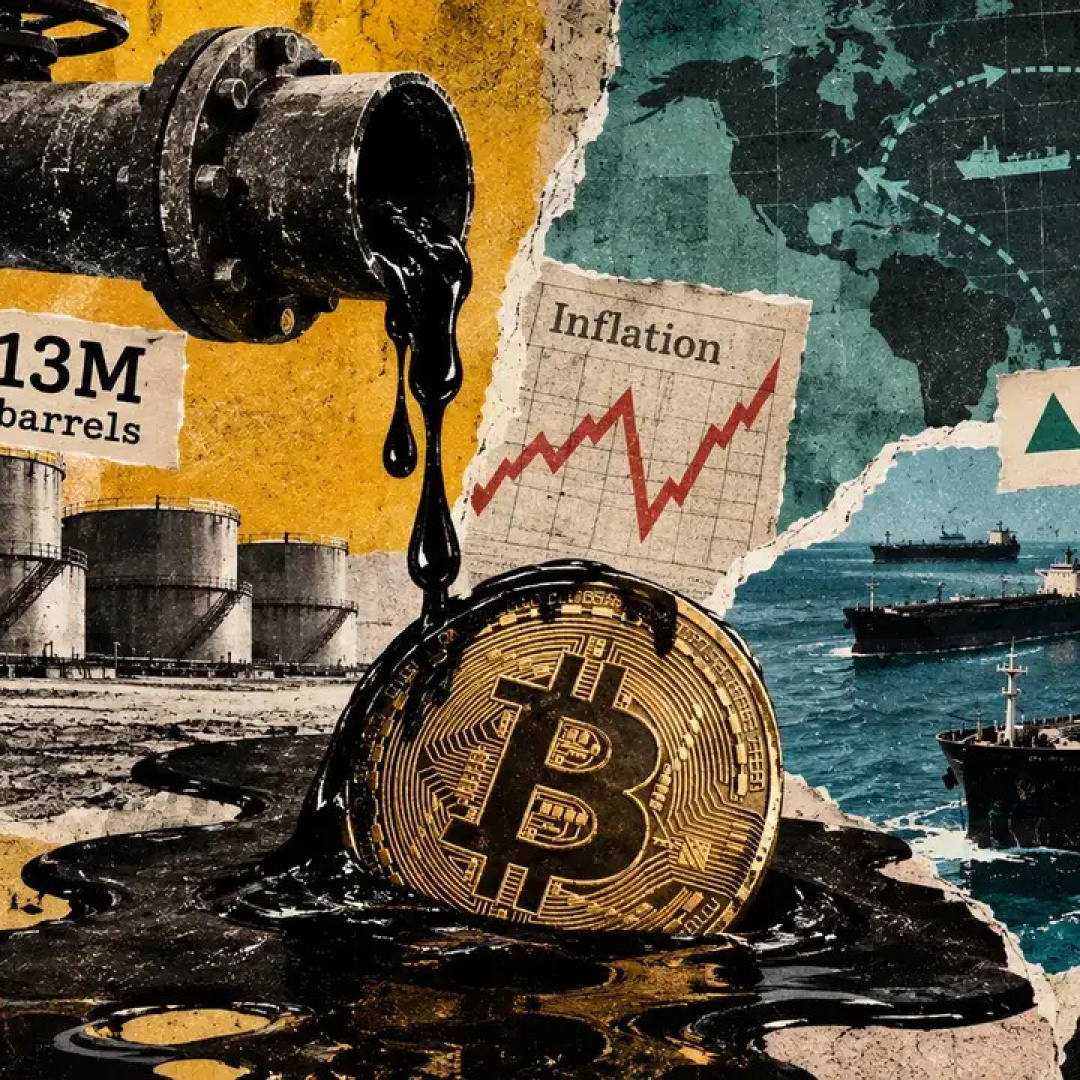
Bitcoin Trading Dynamics Amid Inflation Reports and Upcoming Midterms

Recent inflation reports have significantly impacted Bitcoin's trading dynamics, causing its price to dip below $80,000 as of October 15. The Consumer Price Index (CPI) for September rose to 3.7%, up from 3.4%, while producer prices increased by 1.3%, marking the largest monthly rise since March 2022 and exceeding most forecasts.
Investment strategist Can-Luca Köymen from Sygnum noted that the bank anticipates a range-bound movement for Bitcoin as the midterm elections in the US approach. He indicated that options pricing suggests a trading range between $80,000 and $87,000 over the coming month. Key support is identified at $80,000 to $81,500, which represents the break-even point for average US spot ETF buyers, while resistance is noted near $88,000, the break-even for buyers from six to twelve months ago.
Market Reading & Resources
Sponsor funding complete. Trade on.
If Bitcoin falls below $80,000, the next support level is around $78,000, which corresponds to the average cost basis for active investors. According to Glassnode's report from October 14, the aggregate cost basis of Bitcoin held by US spot ETFs is approximately $81,500, which reflects the funds' total holdings rather than individual shareholder entry prices. The report also highlights that the cost basis for the six-to-twelve-month cohort is near $88,000, with significant buying interest concentrated around the $80,000 mark.
Köymen pointed out that the thin spot volume makes Bitcoin's price more susceptible to movement. However, he noted that funding has cooled and recent long liquidations have reduced excess leverage, making a self-reinforcing sell-off less likely unless the $80,000 support is decisively breached. Glassnode's data corroborates this view, showing modeled liquidation levels around the current price have dropped more than 20% in a week, with long-term holders experiencing realized losses significantly below their August peak.
In terms of market activity, CoinMarketCap reported a 6% decline in Bitcoin futures open interest over the past week, while broader crypto open interest increased by 15%. Glassnode's analysis indicates liquidation clusters just below $80,000 and near $88,000, suggesting that reduced leverage may mitigate the potential severity of market shocks, although a clean break of support could trigger further declines.
Market Sentiment Shifts as Bitcoin Approaches Key Trading Levels
Analyst Lewis Huang from Bitget echoed Köymen's sentiments, stating that a confirmed close below $80,000 could indicate a breakdown from the current consolidation range, heightening the risk of further downside in the near term. Recent ETF inflows have also reversed, with nearly $3 billion flowing into ETFs from September 21 to October 6, followed by a net outflow of $859 million over six sessions from October 7 to October 14.
As Bitcoin hovers near a critical cost-basis zone, the market faces challenges as redemptions impact the vehicles tied to that zone. Köymen emphasized that a catalyst is necessary to break the current trading range. The upcoming Federal Reserve meeting on October 28, alongside the release of the September PCE, the Fed's preferred inflation gauge, on October 29, will be pivotal in shaping market expectations.
The Fed's recent rate hike to a target range of 3.75% to 4.00% and projections for the end of 2026 policy rate at 4.1% have added to market uncertainty. Köymen noted that the Fed's treatment of the recent energy price surge as temporary could allow for a hold on rates, although the core PPI gain of 0.7% complicates this outlook.
Bitcoin's Historical Performance and Future Outlook Amid Economic Pressures
As the midterm elections approach, Köymen highlighted the historical context of Bitcoin's performance during previous election cycles, noting gains of 24.5%, 44.9%, and 92.3% in the 12 months following the 2014, 2018, and 2022 midterms, respectively. However, he cautioned that the impact of elections on Bitcoin's long-term trajectory remains uncertain, with inflation continuing to be the primary driver of market sentiment.
In summary, Bitcoin's trading dynamics are currently influenced by inflation data and upcoming economic events, with critical support and resistance levels established. The interplay of these factors will be essential in determining Bitcoin's price trajectory in the near term.