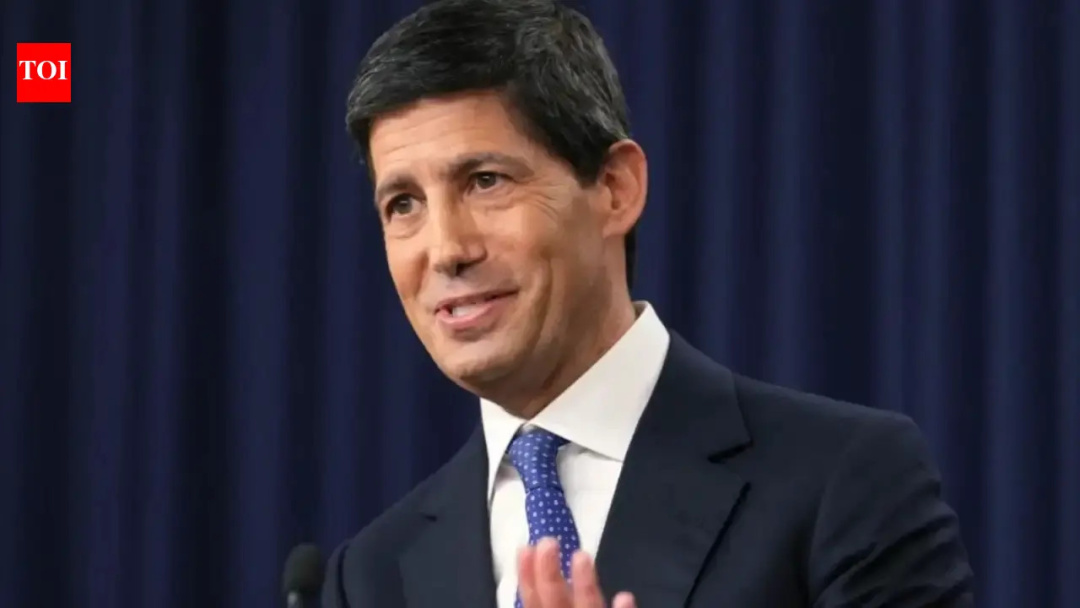
Warsh Optimistic About US Economic Resilience Amid Global Challenges
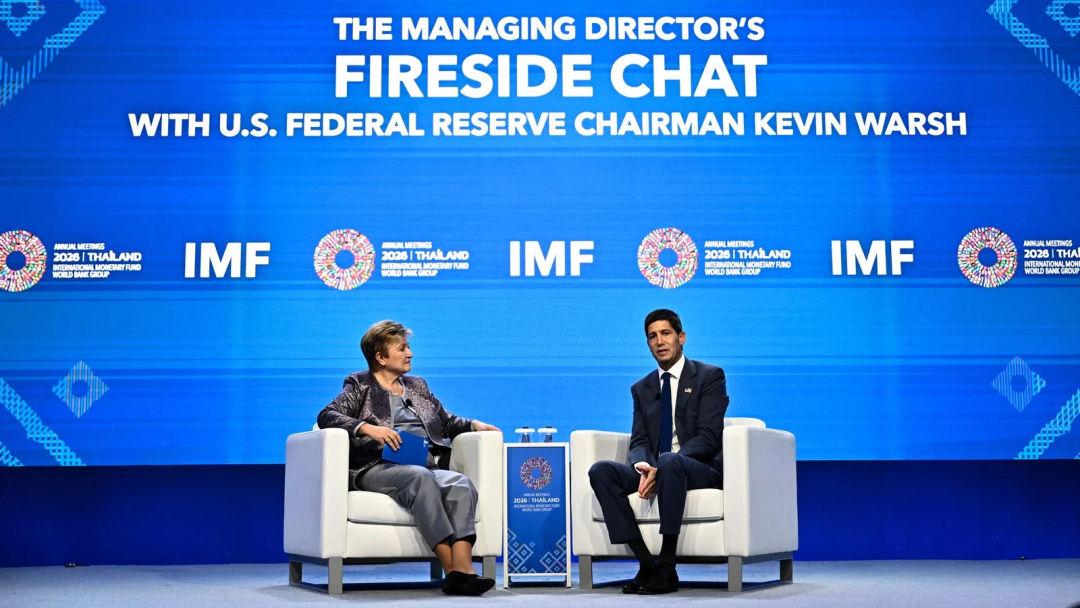
US Federal Reserve Chairman Kevin Warsh expressed optimism about the strength of the US economy and noted his surprise at how well global economies have been managing amid recent geopolitical shocks, despite the implementation of tighter monetary policies to combat inflation. Speaking at the 2026 IMF-World Bank annual meetings in Bangkok, Warsh remarked on the common challenges posed by rising prices and the synchronized tightening of monetary policy by central banks worldwide.
Warsh highlighted that the Federal Reserve has made it clear that it aims to achieve price stability, referencing the interest rate hike that occurred in September. However, he did not provide any indications regarding the timing or necessity of future rate hikes, stating, "I don't prejudge meetings." This cautious approach aligns with the sentiments of his colleagues at the Fed, many of whom believe further tightening may be necessary but are awaiting more economic data to assess inflation trends.
Market Reading & Resources
Sponsor funding complete. Trade on.
Financial markets have responded to these discussions, with expectations that the Fed may hold off on additional rate hikes until December. This outlook persists despite recent reports indicating that inflation measures have exceeded expectations, moving away from the Fed's target of 2%. Warsh's decision to focus on broader economic themes rather than immediate policy decisions suggests that the Fed is likely to maintain its current stance for the time being.
Warsh Highlights AI's Role in Strengthening Economic Resilience
In his remarks, Warsh also touched on the impact of artificial intelligence and the importance of maintaining financial stability. He noted a surge in investment across various sectors, stating that this investment is not limited to AI but is broadening, which contributes to the resilience of the US economy. He expressed confidence that the US would emerge from current challenges with a stronger and more durable economy capable of leading global economic growth.
Warsh's comments reflect a sense of optimism about the US economy's ability to navigate current challenges, including geopolitical tensions and inflationary pressures. He acknowledged the unexpected resilience of the global economy, which he believes is a positive development in light of recent events. Overall, Warsh's insights provide a glimpse into the Fed's current thinking and the economic landscape as it continues to evolve amidst various pressures.