Iran's Central Bank Addresses Economic Concerns Amid High Inflation

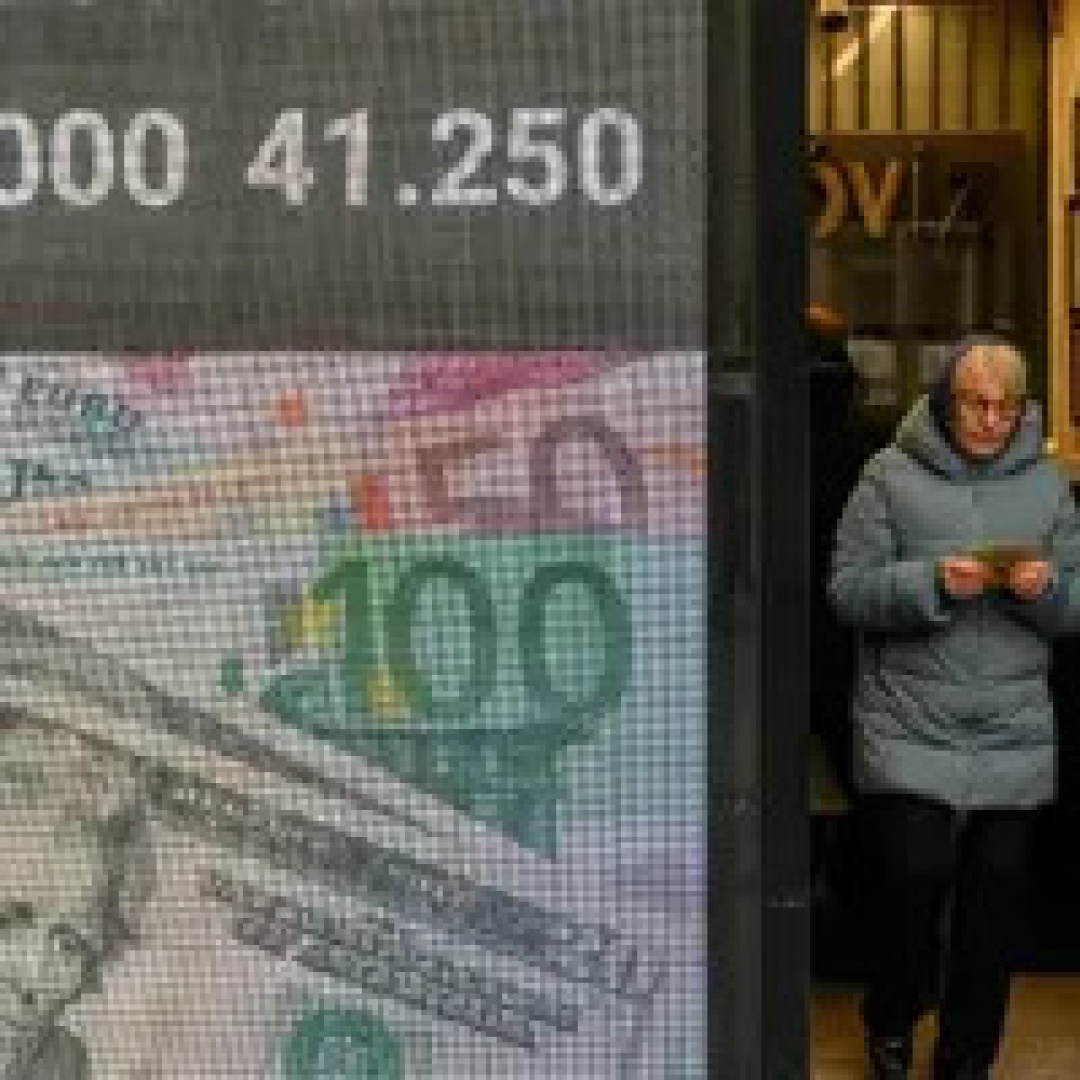
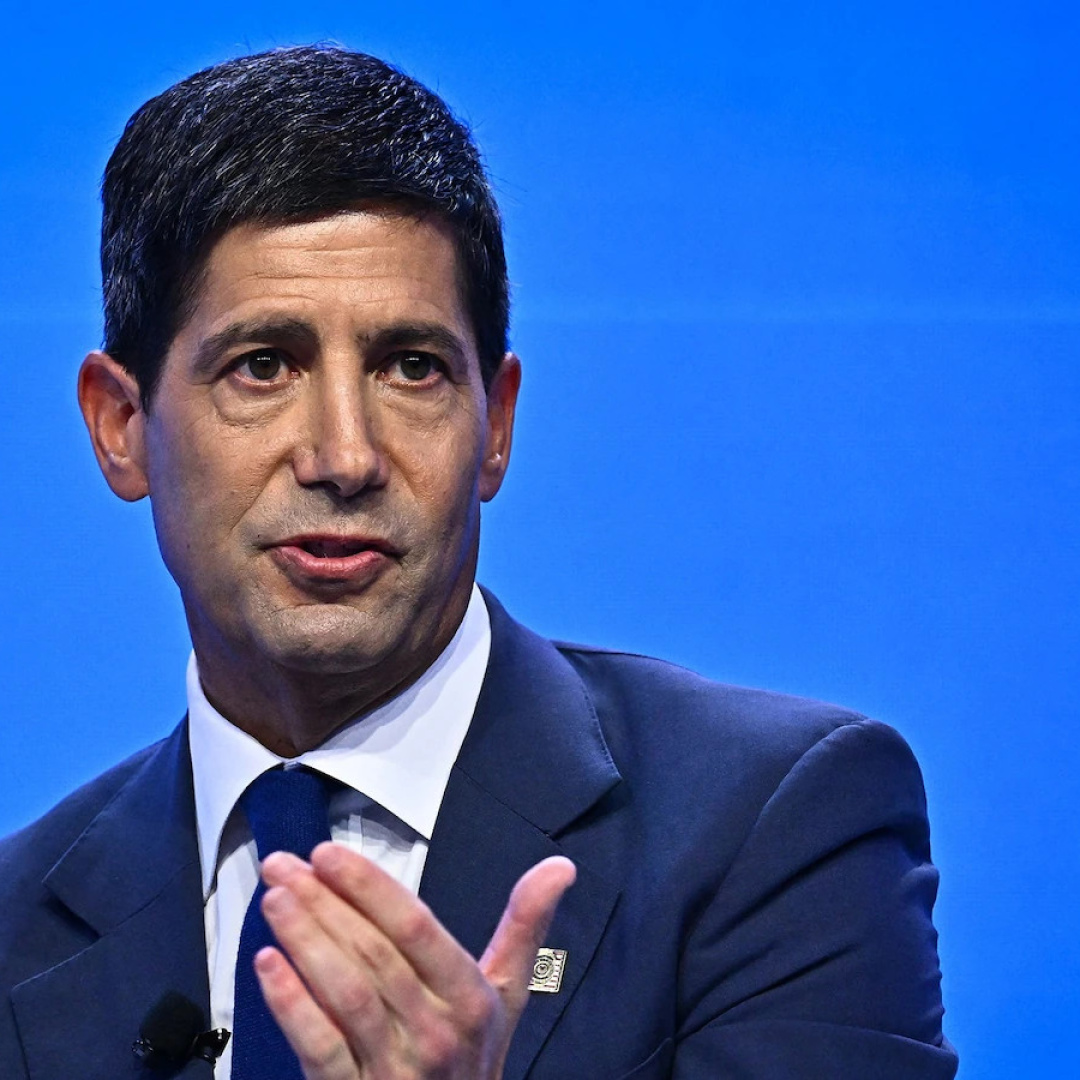
Iran's central bank governor, Abdolnaser Hemmati, has dismissed claims of an impending economic collapse, even as reports indicate that many households are facing severe financial difficulties. Hemmati emphasized that the economy continues to function, although he recognized the intense pressures that citizens are experiencing due to the current economic climate. Rising costs in essential areas such as housing, medicine, and car repairs have become increasingly burdensome for families.
The Iranian rial has depreciated by approximately 35% against the US dollar since July, contributing to inflation rates that soared to 73.6% in September. This economic turmoil has sparked ongoing discussions regarding the severity of Iran's financial challenges and the potential for further instability.
Market Reading & Resources
Sponsor funding complete. Trade on.
Observers are advised to pay close attention to statements from influential Iranian leaders, including Ayatollah Ali Khamenei, as these may provide insights into the government's stance on the current economic situation. Additionally, fluctuations in key economic indicators, particularly inflation and currency value, could significantly impact perceptions of political stability in the country.
Political Influences on Iran's Economic Landscape
The Islamic Revolutionary Guard Corps and hardline media outlets may also play a role in shaping public opinion regarding the leadership's effectiveness in addressing these economic issues. Any announcements related to key figures in the government, such as Pezeshkian, could further influence market dynamics and public sentiment.
As the situation evolves, it is crucial for market participants to remain informed about the developments in Iran's economy. The interplay between economic indicators and political stability will likely continue to be a focal point for both domestic and international observers.