Market Volatility Amid Inflation Concerns and Foreign Investment Trends

Recent economic developments have led to notable market volatility in South Korea, particularly in response to inflation data that exceeded expectations. Fed Chairman Kevin Warsh's remarks during an IMF fireside chat highlighted the impact of rising inflation on market dynamics, contributing to a selloff in stocks. The KOSPI index, however, showed signs of recovery, rising by 3.05% to 5,723.72, while the KOSDAQ increased by 4.06% to 791.73. Despite this rebound, foreign investors continued to offload shares, with net sales amounting to approximately 242.5 billion won.
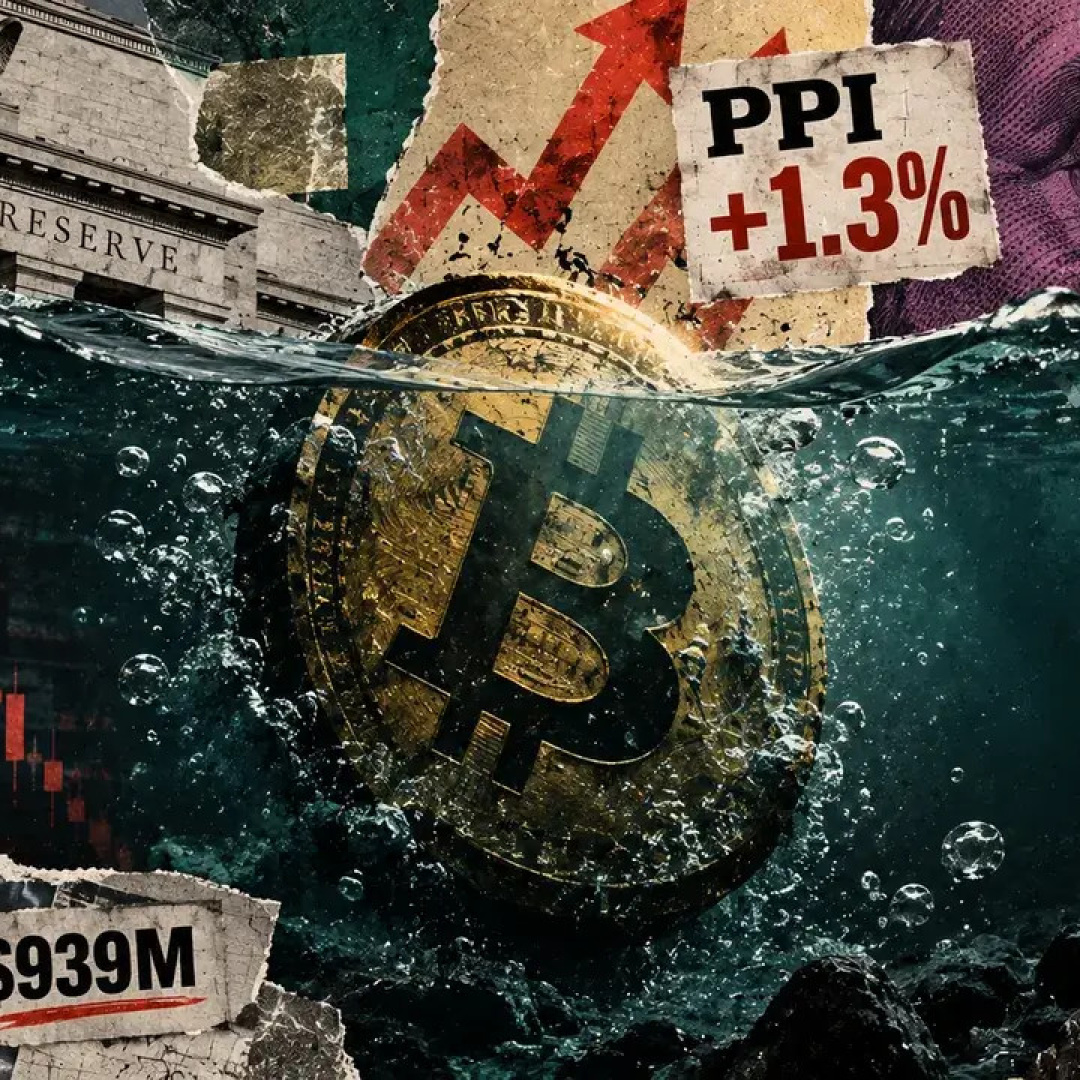
The market's reaction has been influenced by concerns over inflation and the potential for rising interest rates. Analysts have pointed out that the foreign sell-off may be linked to fears of further economic instability, particularly in light of the recent surge in producer prices in the United States. The U.S. producer price index (PPI) rose by 1.3% in September, marking the fastest increase in over four years, which has led to speculation about the Federal Reserve's future monetary policy decisions.
Market Reading & Resources
Sponsor funding complete. Trade on.
In South Korea, the ongoing uncertainty has prompted discussions about the sustainability of the recent market rebound. While some analysts express optimism about the potential for recovery, others caution against the risks posed by high inflation and the possibility of tightening monetary policy. The situation has created a complex environment for investors, with mixed signals regarding the future trajectory of the market.
Navigating Market Sentiment Amid Geopolitical and Economic Challenges
Additionally, the dynamics within the South Korean stock market have been further complicated by external factors, including geopolitical tensions and changes in foreign investment patterns. Reports indicate that foreign investors are increasingly cautious, leading to a significant shift in market sentiment. As the KOSPI index attempts to stabilize, the interplay between domestic and international economic factors will be crucial in determining the market's direction moving forward.
As the situation evolves, market participants are advised to remain vigilant and consider the broader economic landscape when making investment decisions. The interplay of inflation, interest rates, and foreign investment will continue to shape the market's trajectory in the coming months.