National Retail Federation Projects Strong Holiday Sales Despite Inflation

The National Retail Federation (NRF) has projected that U.S. shoppers will spend approximately $1.01 trillion during the holiday season this November and December, marking a 4.2% increase compared to the same period last year. This optimistic forecast comes despite rising fuel prices and other financial pressures that consumers are currently facing.
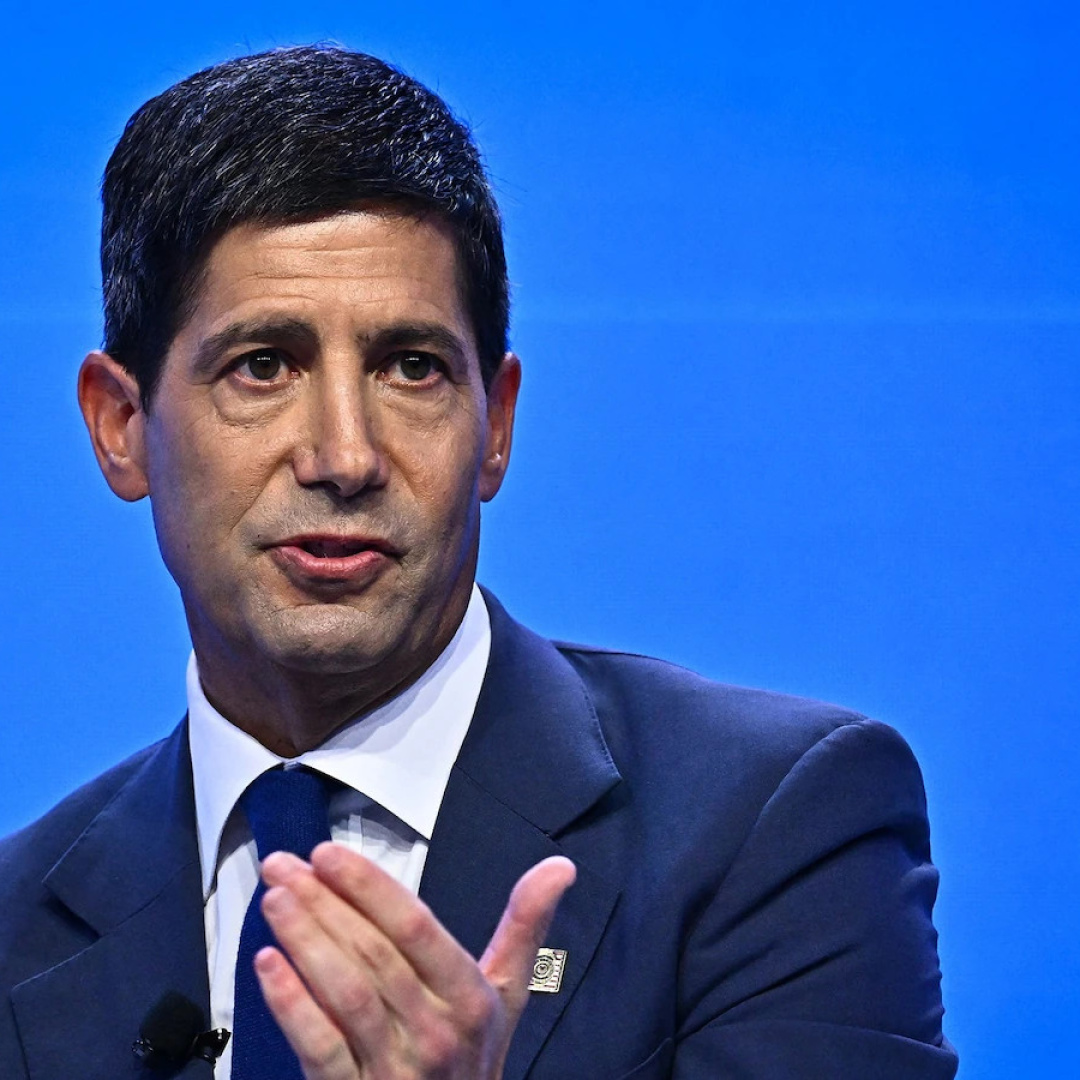
According to NRF President and CEO Matthew Shay, while households are navigating persistent inflation and fluctuating confidence in the economy, the desire to spend on holiday gifts remains strong. Shay emphasized that consumers have consistently prioritized holiday spending, suggesting that this trend will continue into the upcoming season.
Market Reading & Resources
Sponsor funding complete. Trade on.
Last year, holiday sales reached $972 billion, reflecting a 3.1% increase from the previous year. The NRF's current growth projection exceeds the average holiday sales growth of 3.1% over the past two decades, excluding the exceptional spending seen during the pandemic years of 2020 and 2021. This forecast indicates a disconnect between consumer confidence surveys and actual spending behavior, as many Americans continue to spend despite economic uncertainties.
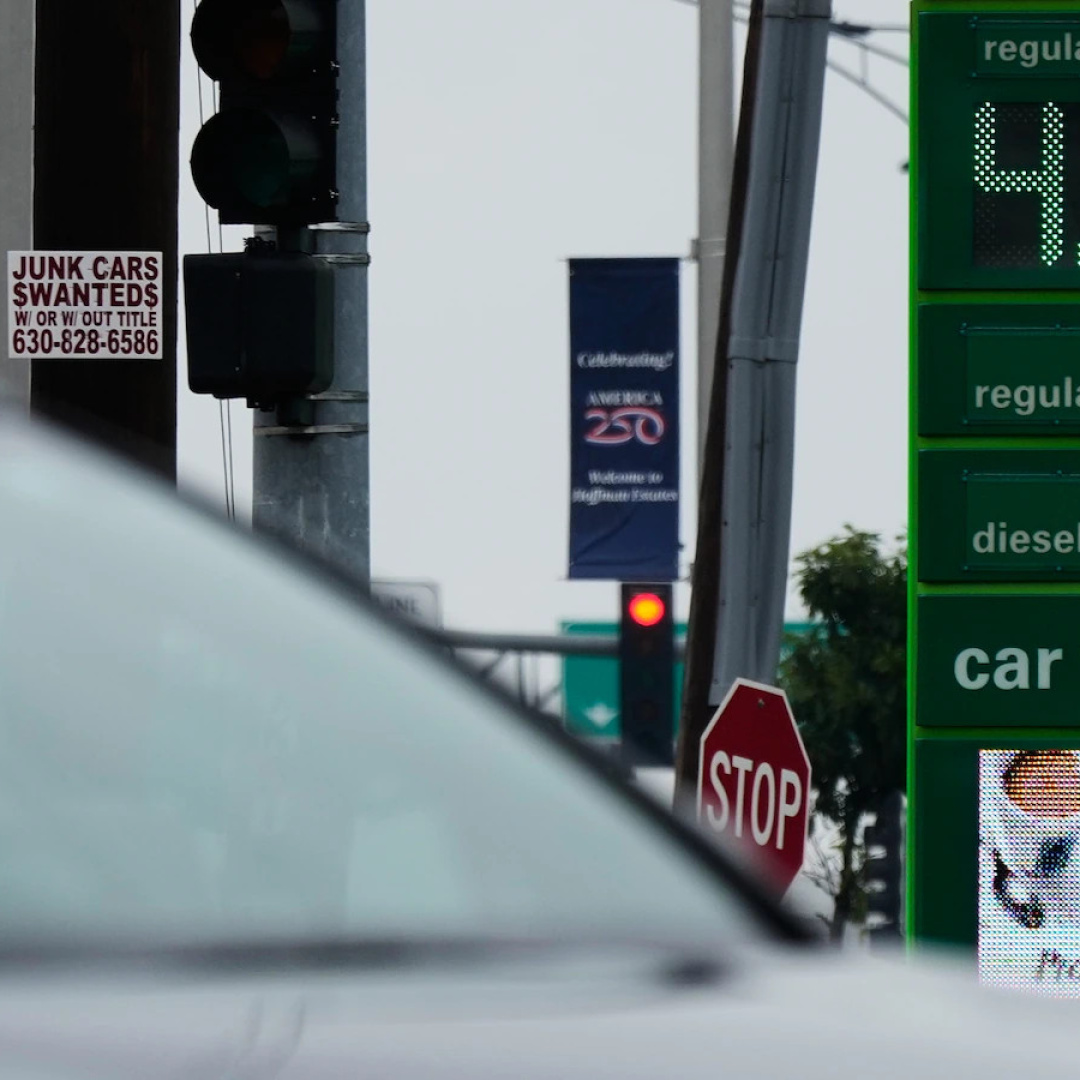
The ongoing conflict in the Middle East has contributed to rising gasoline prices, which have increased to an average of $4.33 per gallon, up from less than $3 prior to the conflict. This rise in fuel costs is expected to impact lower-income shoppers more significantly, while higher-income consumers, buoyed by stock market gains, are likely to continue spending on discretionary items.
Bryan Eshelman, a managing director at AlixPartners, noted that while disruptions have affected consumer behavior, shoppers have adapted by changing their purchasing habits. Many are opting for lower-priced brands, shopping earlier, and utilizing credit options more frequently.
Significance of Holiday Sales for Retail Sector
Holiday spending is crucial for the U.S. retail sector, accounting for about 19% of annual sales. Economists closely monitor holiday sales as they provide insights into consumer behavior and economic health, influencing expectations for the upcoming year. The Mastercard Economics Institute has also projected a 5.5% increase in holiday sales from November 1 to December 24, with half of this growth attributed to rising prices rather than increased sales volume.
Adobe Analytics anticipates that online sales will reach $275 billion this holiday season, representing a 6.7% growth from last year. This growth rate is slightly lower than the previous year's increase of 6.8%. The NRF's holiday forecast is based on various economic indicators, including retail sales, consumer spending, disposable income, and inflation rates.
Consumer Spending Trends Amid Economic Pressures
As inflation continues to rise, the latest data from the Labor Department indicates that consumer prices have increased, further impacting shopper spending. The Commerce Department's recent retail sales report showed a solid 0.8% increase in September, largely driven by gasoline purchases.
The NRF's forecast reflects a broader trend of consumer resilience, even in the face of economic challenges. As inflationary pressures persist, the ability of consumers to adapt their spending habits will be critical in shaping the retail landscape during the holiday season and beyond. The interplay between consumer confidence, spending patterns, and economic indicators will continue to be a focal point for analysts as they assess the health of the U.S. economy moving forward.