US Consumers Continue Spending Despite Rising Inflation and Gas Prices

High gas prices are intensifying inflation and consuming more of Americans' dollars, yet consumers are still spending, which is currently supporting the economy. Recent economic data indicates that inflation accelerated last month, driven by rising oil and gas prices, which are also affecting shipping and warehousing costs. This trend is expected to lead to higher grocery prices in the coming months.
Despite these pressures, consumer spending has increased, with a notable rise in retail sales. This increase reflects not only higher prices but also a degree of consumer resilience that is contributing to solid economic growth in the United States. Job security remains relatively strong, which encourages spending even as many Americans express a pessimistic economic outlook.
Market Reading & Resources
Sponsor funding complete. Trade on.
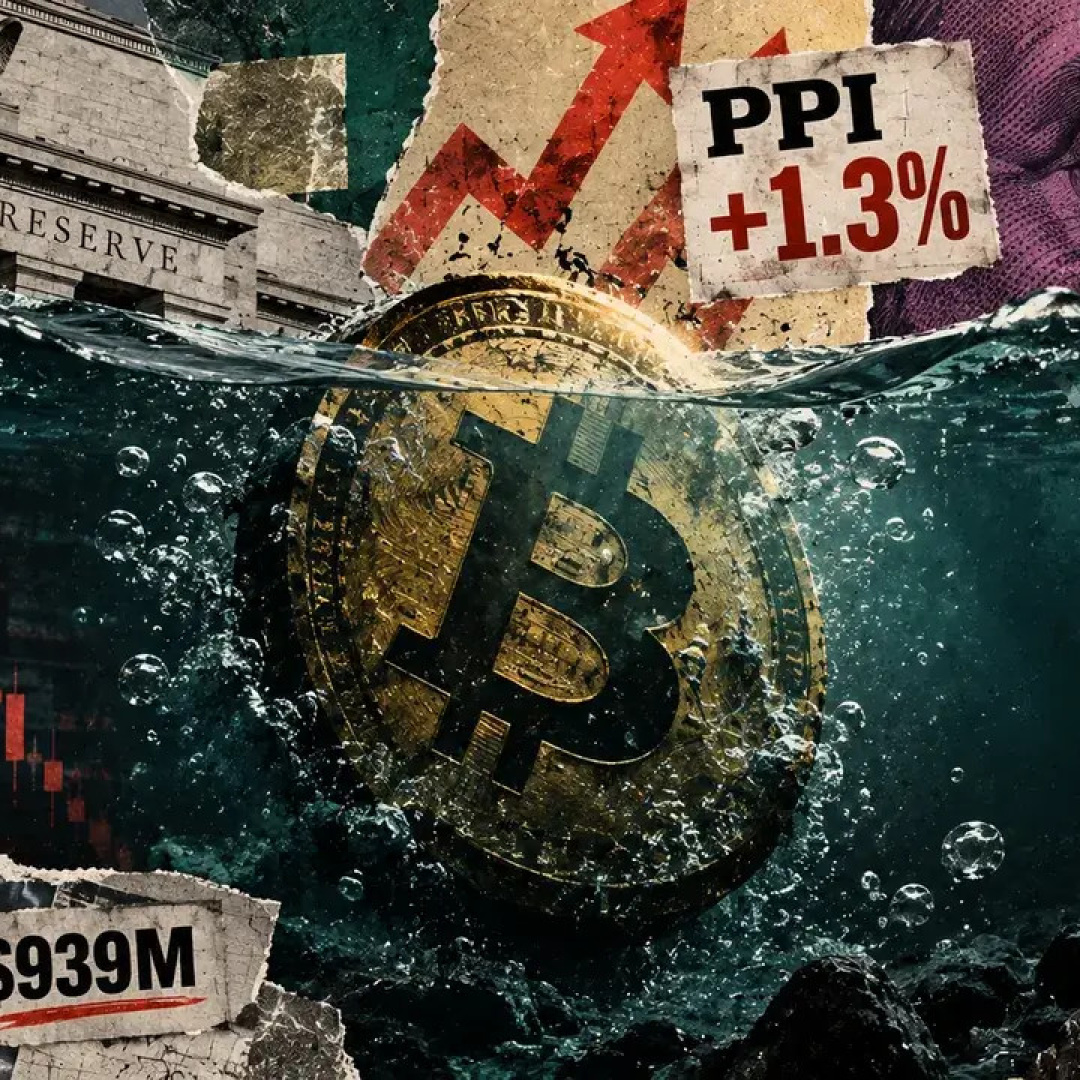
Jim Baird, chief investment officer at Plante Moran Financial Advisers, noted that consumers are enduring higher gas prices, indicating that while they may not be happy about it, they continue to spend. The producer price index, which measures costs before they reach consumers, showed a significant jump of 6.3% in September compared to the previous year, marking the largest increase in nearly four years. Monthly prices surged by 1.3% from August to September, largely due to a 20% rise in gas prices.
The increase in diesel prices has also raised shipping costs, affecting food prices, which saw a 1.2% rise from August to September—the largest monthly gain since February. Economists emphasize that the rise in transportation costs impacts the prices of goods throughout the economy, as energy price increases affect manufacturing and distribution.
Retail Sales Show Unexpected Growth Amid Inflationary Pressures
Despite these cost pressures, retail sales rose by 0.8% from August, surpassing economists' expectations. This increase was primarily driven by a 6.4% jump in spending at gas stations, but there were also gains in other areas, including a 1.1% rise in spending at restaurants and bars. As long as unemployment remains low and job security persists, consumer spending is expected to remain robust, albeit more cautious.
Economic Outlook Faces Challenges as Inflation Persists
However, many economists are concerned that persistent inflation will gradually erode consumers' purchasing power, which could negatively impact the economy. Adjusted for inflation, weekly paychecks declined in September compared to the previous year for the first time since May. Additionally, hiring slowed significantly, with only 29,000 jobs added in September, down from a revised 133,000 in August, and the unemployment rate ticked up to 4.2%.
The Federal Reserve is likely to respond to ongoing inflation by raising interest rates in the coming months to curb spending and bring inflation down. The Fed's recent quarter-point increase in September marked its first rate hike in three years, despite pushback from political figures. Most Fed officials anticipate that further rate increases will be necessary to combat inflation effectively.