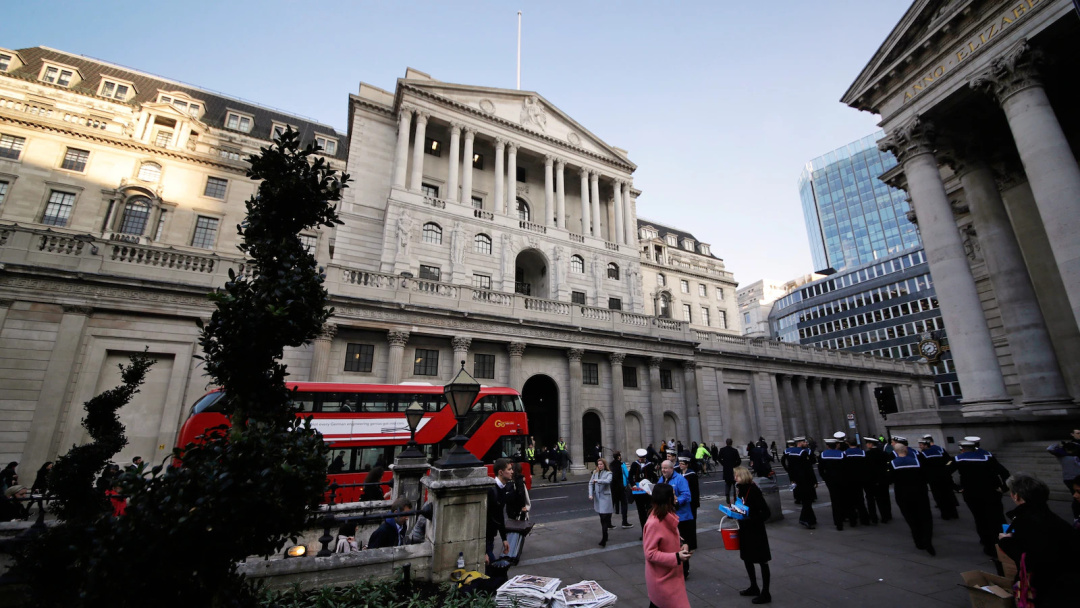
Bank of England's Breeden Notes UK Economy's Unexpected Resilience
Sarah Breeden, the Deputy Governor for Financial Stability at the Bank of England, recently expressed her surprise at the resilience of the UK economy in the face of recent energy shocks. Her comments come amid ongoing concerns regarding the impact of rising energy prices, which have been influenced by geopolitical tensions. Breeden noted that while the UK GDP has shown modest growth, the potential for prolonged energy shocks could still lead to higher interest rates due to inflationary pressures that remain a concern.
As the Bank of England prepares for its upcoming meeting in November, market participants are keenly observing forthcoming economic indicators, particularly those related to inflation and wage growth. These indicators will play a crucial role in shaping the Bank's decisions regarding interest rates. Breeden's remarks indicate that the Bank of England is maintaining a vigilant stance on future policy adjustments, especially in light of any significant changes in economic conditions.
Market Reading & Resources
Sponsor funding complete. Trade on.
The resilience demonstrated by the UK economy is noteworthy, yet it does not eliminate the risks associated with fluctuating energy prices. Breeden's insights suggest that any further geopolitical developments could significantly influence the Bank's policy calculus. The interplay between economic performance and inflationary risks will be a focal point for the Bank as it navigates its monetary policy in the coming months.
Navigating Interest Rate Expectations Amid Economic Risks
Market participants are advised to stay informed about these developments, as they could lead to adjustments in current expectations regarding interest rate movements. The Bank of England's approach will likely be cautious, balancing the need to support economic growth while remaining alert to inflationary pressures that could arise from ongoing energy price volatility.
Monitoring Economic Indicators
As the economic landscape evolves, the Bank of England's decisions will be closely tied to the data that emerges in the lead-up to its meetings. Inflation rates, wage growth, and other economic indicators will be critical in determining the trajectory of interest rates. Breeden's comments underscore the importance of these metrics in guiding the Bank's policy decisions, particularly as the UK continues to navigate the complexities of a changing global economic environment.
In conclusion, while the UK economy has shown unexpected resilience, the Bank of England remains cautious. The interplay between energy prices, inflation, and economic growth will be pivotal in shaping future monetary policy. Stakeholders should remain attentive to these dynamics as they unfold, as they will have significant implications for the broader economic landscape.