Asian Markets Decline as US Inflation Fuels Rate Hike Speculation
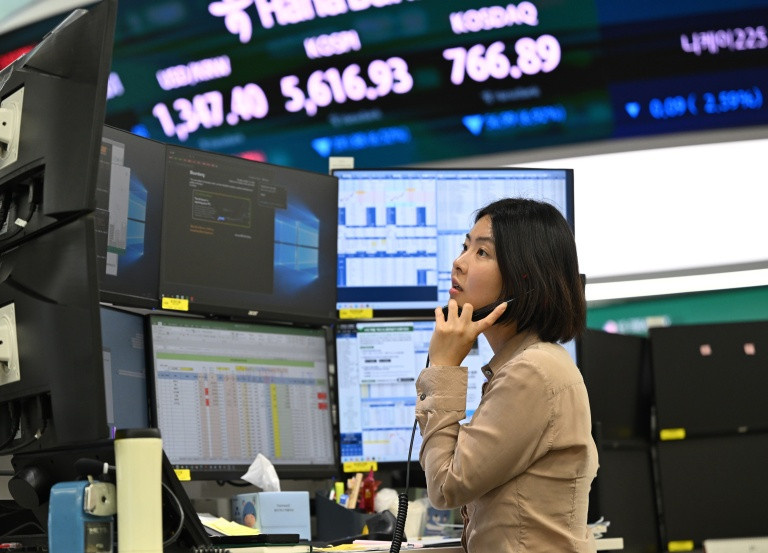
Asian stock markets plunged on Thursday, with technology firms suffering a notable rout after US inflation data exceeded expectations, raising concerns that the Federal Reserve may need to increase interest rates. The Consumer Price Index (CPI) in the US rose to 3.7 percent in September, up from the previous month and surpassing the forecast of 3.6 percent. This marked the highest inflation rate in five months, largely driven by a surge in energy costs amid ongoing geopolitical tensions in the Middle East.
Seoul and Tokyo were particularly hard hit, with traders selling off shares in major chipmakers. The Kospi index in Seoul fell more than seven percent, with significant losses reported for SK Hynix and Samsung, which dropped over ten and nine percent, respectively. In Tokyo, the Nikkei 225 index declined by more than four percent, with Kioxia and Advantest also experiencing steep losses.
Market Reading & Resources
Sponsor funding complete. Trade on.
The inflation data has intensified scrutiny on the Federal Reserve's monetary policy, with market participants now anticipating at least one more rate hike following the increase in September. The Fed's next decision is expected on October 28, just ahead of the US midterm elections. Following the inflation report, the likelihood of a 25-basis-point increase this month rose to 37.1 percent, up from around 22 percent prior to the announcement.
Neil Wilson from Saxo Markets noted that this CPI report presents a challenge for the Fed, which had previously indicated a preference to pause rate hikes. The unexpected rise in inflation has led to a reassessment of the Fed's approach, with markets now pricing in a quicker response to inflationary pressures.
Chris Weston from Pepperstone highlighted that the broader implications of rising inflation are concerning for risk assets, particularly those sensitive to interest rates. The market is now fully pricing in a potential rate hike in December, with a 66 percent probability of an increase in January as well.
Tech Sector Faces Pressure from Rate Hike Fears
The tech sector, heavily reliant on borrowing for substantial investments in artificial intelligence, has been particularly vulnerable to these shifts in monetary policy expectations. The recent sell-off follows a period where many tech firms had begun to recover from earlier losses attributed to high valuations and uncertainty regarding returns on their investments.
In addition to the declines in Asian markets, US government borrowing costs surged, with 10-year Treasury yields reaching 24-year highs before retreating slightly due to investor demand for their attractive yields. The dollar's gains from anticipated rate hikes were mostly reversed, while the yen received support from comments made by Japan's finance minister regarding potential market interventions.
Market Reactions to Inflation Data
The declines in Asian markets were mirrored by broader trends in global equities, as concerns over inflation and interest rates weighed heavily on investor sentiment. Hong Kong, Shanghai, Singapore, Wellington, Manila, and Jakarta also reported significant losses, reflecting a widespread retreat from riskier assets.
As the situation evolves, market participants will be closely monitoring the Federal Reserve's upcoming decisions and the potential implications for both domestic and global economic conditions. The interplay between inflation, interest rates, and market performance will remain a critical focus for investors in the coming weeks.