Assessing Kais Saied's Economic Impact on Tunisia After Seven Years
For Tunisian taxi driver Houssam Oueslati, inflation has a significant impact on his daily life, particularly regarding the cost of maintaining his vehicle. In 2018, he paid about 35 Tunisian dinars ($13) for engine oil, but today that same purchase costs nearly 100 dinars ($34). To sustain his income, he has had to extend his working hours, spending more time on the road to cover rising operating costs. This situation raises a critical question for Tunisia nearly seven years into Kais Saied’s presidency: What economic changes have occurred, and how have they affected the lives of ordinary citizens?
Saied assumed power amid widespread dissatisfaction with the political establishment, pledging to create a fairer and more accountable government. However, Tunisia has faced numerous economic challenges, including the fallout from the COVID-19 pandemic, fluctuating global food and energy prices, and geopolitical instability. These factors have complicated the nation’s recovery and raise questions about the effectiveness of the government's response.
Market Reading & Resources
Sponsor funding complete. Trade on.
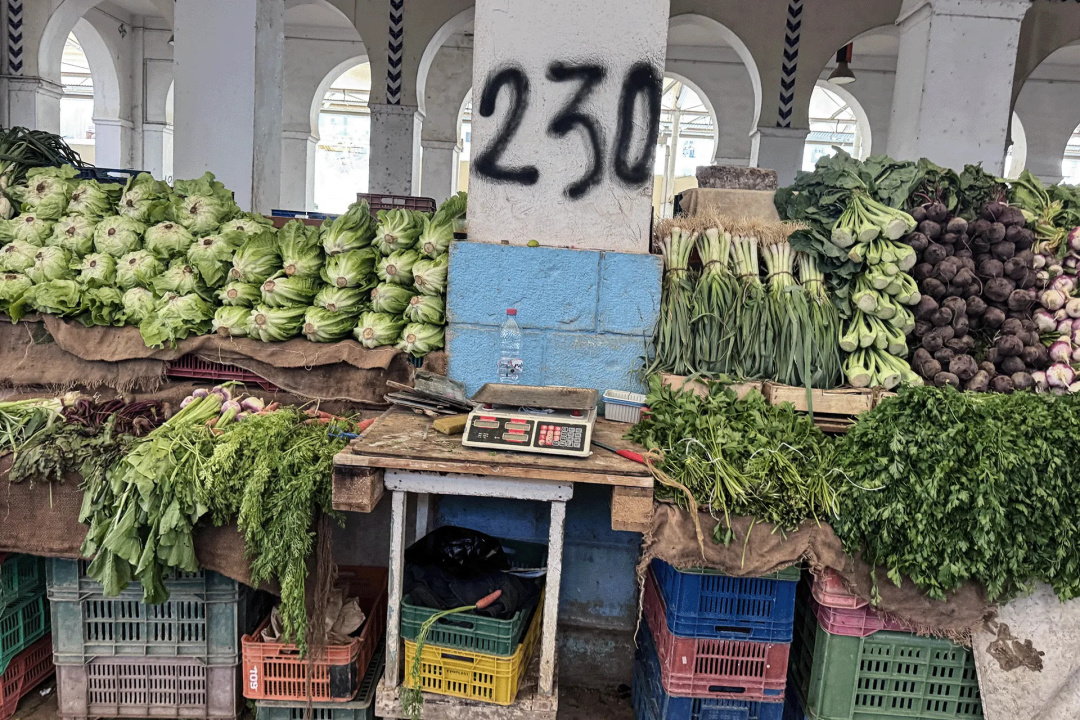
While the economy has shown signs of growth, with overall unemployment decreasing from its pandemic peak, many Tunisians still feel the strain of high food prices and persistent unemployment, particularly among the youth. For instance, the annual inflation rate reached 5.6% in September 2026, up from 5.4% in August, with food and beverage prices rising by 8.4% year on year. This inflationary pressure is particularly burdensome for families, as rising prices outpace income growth, diminishing purchasing power.
Economist Ridha Chkoundali emphasizes the cumulative impact of price increases on Tunisian households. He notes that average annual inflation was 6.8% between 2015 and 2021, compared to 8.1% from 2021 to 2026, indicating heightened inflationary pressures in recent years. The government has attempted to alleviate financial burdens by cutting the central bank's key interest rate twice in 2025, but this measure alone cannot restore purchasing power lost to inflation.
Access to credit has also tightened, limiting consumers' ability to manage expenses. Changes in financing conditions have reduced options for households that previously relied on loans and banking facilities to spread payments over time. As a result, essentials now consume a larger portion of household budgets, leaving families with fewer resources for savings or unexpected expenses.
Tunisia's economy grew by 2.3% year on year in the second quarter of 2026, according to the National Institute of Statistics. However, this growth must translate into tangible benefits for households, such as increased production, investment, and job creation. The overall unemployment rate stood at 14.9% in the same quarter, down from 15.3% a year earlier, but youth unemployment remains alarmingly high at 35.4% for those aged 15 to 24.
The government faces a delicate balancing act: financing its obligations while fostering an environment conducive to private sector growth and job creation. Critics argue that the reliance on domestic borrowing could hinder private businesses' access to credit, stifling investment and employment opportunities. In 2026, domestic borrowing reached approximately 11 billion dinars ($3.7 billion), raising concerns about competition for available credit between the state and private enterprises.
Evaluating Saied's Economic Strategies and Their Consequences
Saied has made combating monopolies and speculation a central aspect of his economic agenda, aiming to protect consumers and promote social justice. However, critics contend that the government's approach has sometimes failed to distinguish between necessary inventory management and speculative practices, potentially leading to shortages rather than price reductions.
The Democratic Current party has criticized the government's reluctance to confront economic realities, arguing that attributing failures to conspiracies will only exacerbate the country's challenges. Ultimately, the effectiveness of government interventions must be evaluated based on their outcomes, particularly regarding price stability and the availability of essential goods.
Tunisia's public debt has risen significantly, from 67.8% of GDP in 2019 to 84.9% in 2024, before slightly declining to 82.1% in 2025. While debt levels alone do not determine fiscal sustainability, the government's financing needs can limit its ability to respond to new economic shocks. Balancing debt servicing with public investment and social spending is crucial for long-term economic health.
As international energy prices rise, the government faces additional challenges in managing subsidies and public finances. The 2026 Finance Law projected a Brent crude price of about $63.30 per barrel, but by mid-2026, the average price had surged to approximately $92.60. This increase raises the potential cost of energy imports and fuel subsidies, further straining public finances.
Navigating Tunisia's Economic Challenges Under Saied's Leadership
Supporters of Saied argue that his economic record should be viewed in the context of the challenges he inherited, including a country already in decline across multiple sectors. They contend that the measures taken in July 2021 were necessary to address longstanding issues. However, the need for a thorough examination of the government's decisions and their impact on investment, production, and living standards remains critical.
Nearly seven years into Saied’s presidency, Tunisia's economic landscape is characterized by mixed results. While the economy continues to grow and unemployment has decreased, high food prices and youth unemployment persist. The government must navigate external shocks while ensuring that economic growth translates into improved living conditions for its citizens. For Oueslati, the ongoing debate centers around the cost of keeping his taxi operational, as rising expenses continue to erode his earnings and necessitate longer working hours.