September Inflation Report Shows 4-Month High Amid Rising Gas Prices
Inflation in the United States climbed to a four-month high in September, primarily due to rising gasoline prices influenced by the ongoing Iran war, according to data released by the federal government. The inflation rate rose to 3.7% compared to the same month last year, an increase from the previous month's rate of 3.4%. This figure is significantly higher than the 2.4% recorded in February, prior to the onset of the conflict.
The recent inflation data comes at a critical time as affordability issues are at the forefront of voters' concerns ahead of the midterm elections in early November. Gas prices surged by more than 9% from August to September, contributing to over half of the overall price increase reported last month, as stated by the U.S. Bureau of Labor Statistics. In addition to fuel costs, shelter prices, which encompass homeowner payments and rental costs, also saw an increase during this period.
Market Reading & Resources
Sponsor funding complete. Trade on.
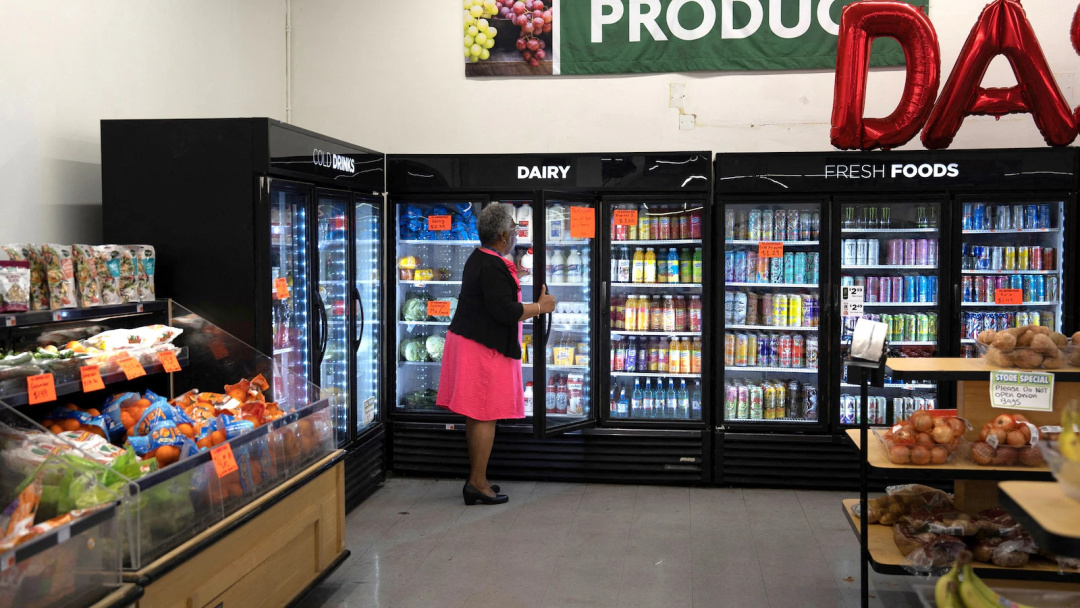
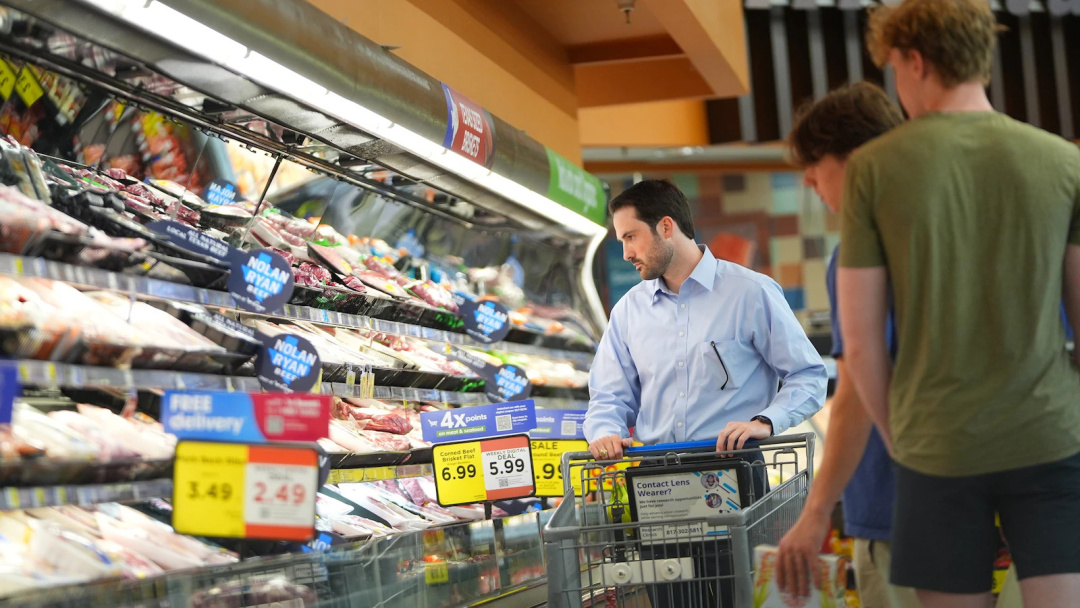
Interestingly, food prices remained stable, showing no change from August to September, resulting in an annual inflation rate for food of 2.5%. This rate, which includes both grocery prices and dining out, is considerably lower than the overall inflation rate.
The conflict in the Middle East has been a significant factor in driving fuel prices higher, which peaked at a three-year high in May. However, inflation had eased somewhat over the summer following a tentative peace agreement that was later disrupted when the accord expired in August, leading to renewed attacks on oil infrastructure.
Despite improvements in oil exports from the Gulf, shipping costs have remained high, keeping the national average gas price above $4.30 per gallon, according to AAA data. This is a stark contrast to the average price of less than $3 per gallon prior to the Iran war. Diesel prices, which impact supply costs for various goods, have also surged, currently standing at $6.29 per gallon, marking a 66% increase since the conflict began.
Consumer Sentiment Declines Amid Mixed Economic Signals
Consumer sentiment has taken a hit, nearing record lows in the history of the University of Michigan's monthly survey. Nevertheless, some economic indicators remain robust. The gross domestic product showed growth over the three months ending in June, defying fears of a downturn linked to the Iran war. Consumer spending, which constitutes about two-thirds of U.S. economic activity, increased by 0.6% in August compared to July, marking the largest monthly rise since March 2025.
However, the economy is showing signs of strain in other areas. The inflation report was released shortly after a jobs report indicated a slowdown in hiring, with only 29,000 jobs added in September, a significant drop from the 162,000 jobs added in August. This figure fell well below economists' expectations, raising concerns about the labor market's resilience amid rising costs.
Federal Reserve Responds to Inflation with Rate Hike
The combination of persistent inflation and a strong labor market prompted the Federal Reserve to raise interest rates by a quarter of a percentage point last month, marking its first rate increase since 2023. Fed Chair Kevin Warsh emphasized the need for action, stating that inflation has been too high for too long. The increase in the benchmark interest rate is intended to curb inflation by slowing economic activity and reducing demand, although the effects of such policies typically take time to materialize.
The next meeting of Federal Reserve policymakers is scheduled for October 28, just days before the midterm elections. Market sentiment suggests a 45% chance of another quarter-point rate increase, according to CME Group’s FedWatch Tool.