Inflation Expected to Rise Due to Higher Gas and Semiconductor Costs
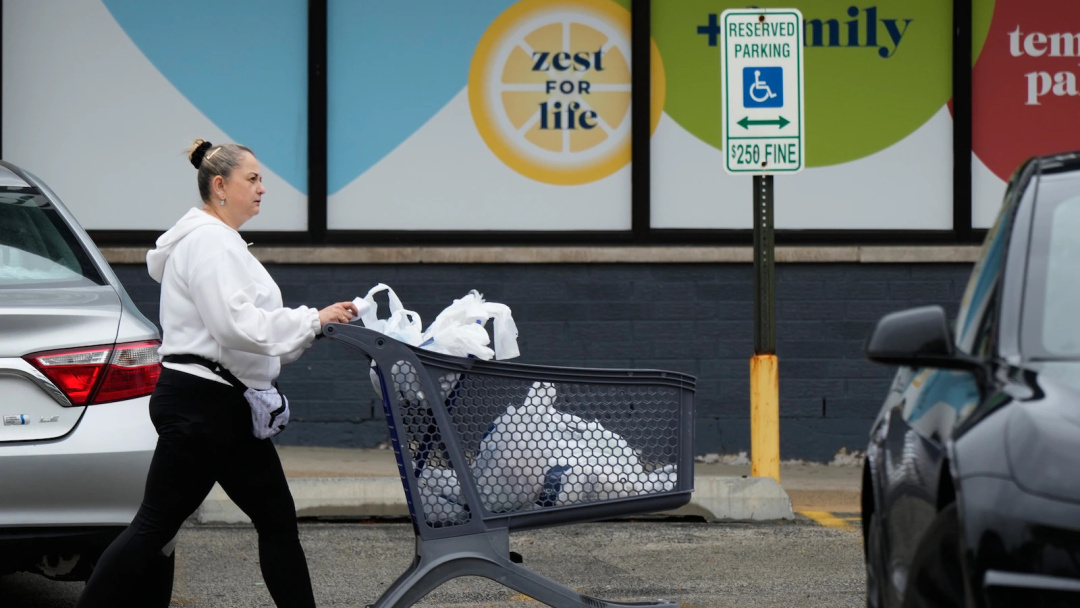
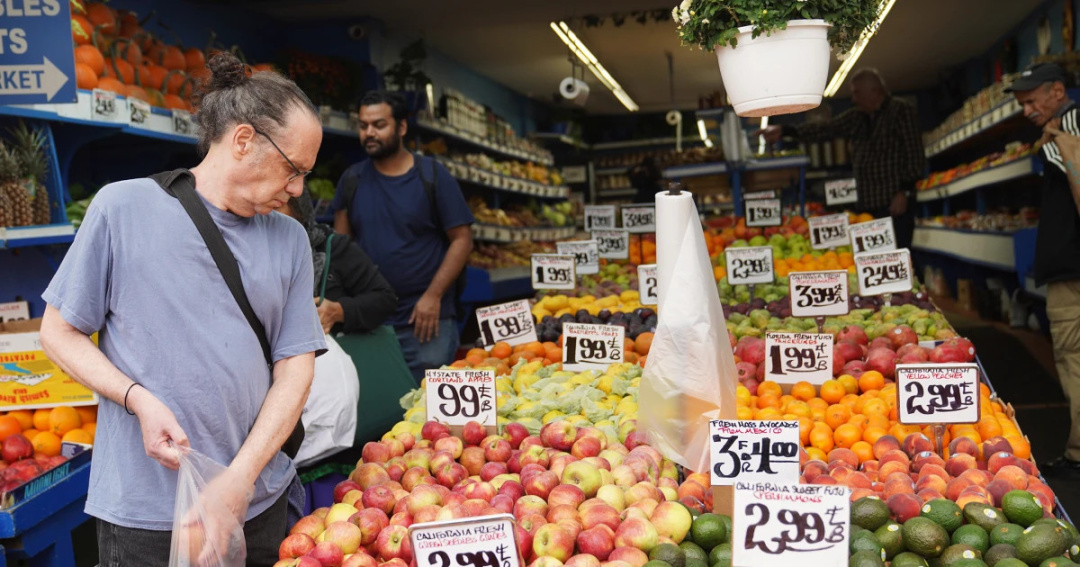
Inflation is anticipated to have worsened in September, as one of the final price reports before the midterm elections is set to be released. This report is particularly significant given the ongoing concerns regarding affordability among voters. Economists surveyed by FactSet predict that consumer prices will have risen by 3.6% compared to the previous year, an increase from 3.4% in August. Monthly, prices are expected to have increased by 0.6% from August to September, marking the largest rise since April.
The anticipated figures are likely to reflect the ongoing impact of the Iran war on gas prices, alongside persistent inflation that, while having decreased from a peak of 9.1% in 2022, has begun to rise again since the conflict escalated in late February. This inflationary pressure has posed significant political challenges for Republicans in Congress and has become a focal point for the Federal Reserve, which is mandated to maintain stable prices.
Market Reading & Resources
Sponsor funding complete. Trade on.
The current inflationary environment has affected public perception of political leaders, particularly former President Trump, whose approval ratings regarding economic management have plummeted. A recent poll indicated that only 17% of U.S. adults approve of his handling of the cost of living, with just 26% approving of his overall economic management, marking a new low.
Core inflation, which excludes volatile food and energy prices, is expected to have risen by 2.5% year-over-year in September, a slight increase from 2.4% in August. This figure is closer to the Federal Reserve's target of 2% but has remained relatively stagnant since January. Monthly core prices are projected to have increased by only 0.2% from August to September.
Federal Reserve officials are closely monitoring inflation data to assess whether further increases in short-term interest rates are necessary. Fed Chairman Kevin Warsh has expressed concerns that inflation is not declining quickly enough to meet the central bank's target, prompting the first rate hike in three years to approximately 3.9%. He emphasized that inflation remains too high and has persisted for an extended period.
Fed Officials Weigh Rate Decisions Amid Inflationary Pressures
Despite these concerns, some Fed officials have suggested that the central bank may hold off on further rate increases for now. The next policy meeting is scheduled for October 27-28, with many investors anticipating that rates will remain unchanged at that time, with a potential hike in December. The Fed aims to curb spending and economic growth through higher borrowing costs, yet much of the current inflation is attributed to supply chain disruptions, particularly those stemming from the Iran war.
Warsh has indicated that his goal is to prevent the spike in gas prices from affecting other areas of the economy. The rise in gas prices has already contributed to a 23% increase in airfares compared to last year. From August to September, gas prices surged by 9%, a significant factor in the overall inflation increase. Although gas prices have recently decreased, they remain elevated compared to a month ago, averaging $4.34 per gallon nationwide.
Rising Prices Prompt Companies to Adjust Consumer Costs
These rising costs are impacting businesses, many of which are compelled to pass on increased expenses to consumers. For instance, PepsiCo announced plans to raise prices on various snack foods to offset higher costs associated with fuel and ingredients. Additionally, the growing demand for artificial intelligence has led to increased costs for semiconductors and electronic components, which are reflected in the prices of consumer electronics.
Nintendo recently raised the price of its Switch 2 gaming system by 11% to $499.99, while Apple's latest iPhone model saw a price increase of about 10% compared to its predecessor, likely due to enhanced features.