Rising Diesel Prices Drive Inflation Concerns in the U.S.
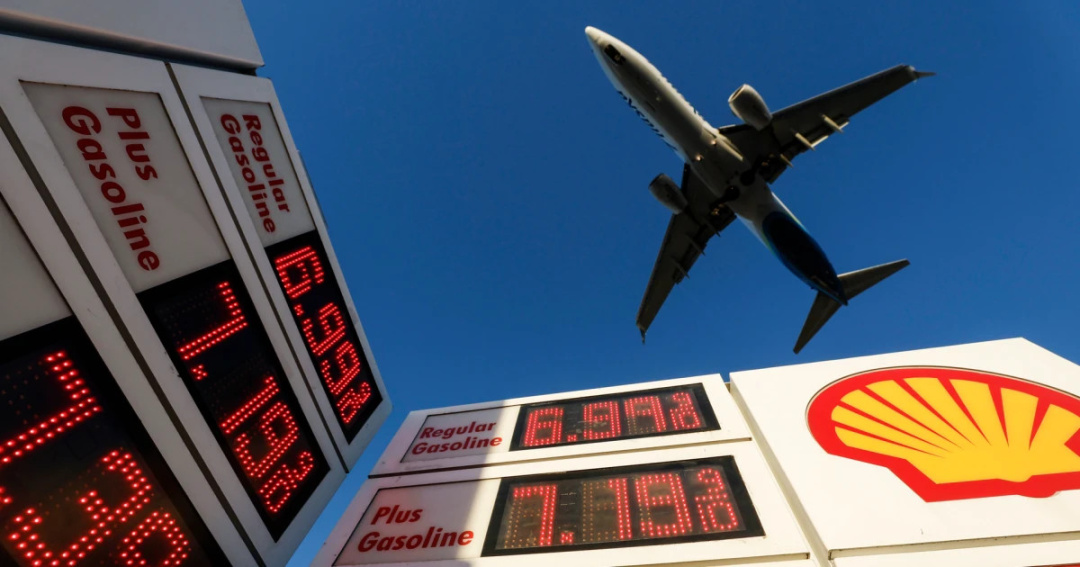
Inflation in the United States is being significantly influenced by rising diesel prices, which have surged more than 75% since the beginning of the Iran war in late winter. Economists are particularly concerned about the implications of these higher diesel costs, as they tend to affect a wide range of goods and services, leading to increased prices across the board.
The Bureau of Labor Statistics is scheduled to release its September consumer price index report, which is anticipated to show an increase in the annual inflation rate from 3.4% to 3.7%. This monthly rise, expected to be around 0.6%, would mark one of the largest increases in recent years, further complicating the economic landscape as the midterm elections approach.
Market Reading & Resources
Sponsor funding complete. Trade on.
Since August, oil prices have risen sharply, climbing from approximately $80 to over $105 per barrel. The price of regular gasoline has also seen a significant increase, remaining elevated by more than 45% since late February, coinciding with the start of the Iran conflict. This inflationary pressure is particularly acute in agricultural states like Kansas, Iowa, and Texas, where higher fuel costs are impacting both consumers and businesses.
As early voting begins, a higher inflation reading could pose challenges for Republicans seeking to maintain their majorities in Congress. Polls indicate that inflation and the rising cost of living are critical issues for voters across party lines. In response to the escalating fuel prices, President Donald Trump has implemented several measures aimed at reducing costs, including pressuring G7 allies to release more diesel stocks and easing some sanctions on Russia to facilitate diesel supply.
Despite these efforts, consumers' wages have not kept pace with inflation, with wage growth at 3% as of September. This disparity has led to ongoing concerns about purchasing power. However, consumer spending remains steady, as reported by CEOs of major banks, who noted that despite challenges from rising energy prices, the economy continues to show resilience.
Rising Core Inflation and Consumer Price Trends
Core inflation, which excludes food and energy prices, is also expected to rise, potentially reaching 2.5%, its highest level since June. Airfare prices, heavily influenced by rising oil costs, have already increased by 23% year-over-year, raising questions about future price hikes. Additionally, the recent launch of new iPhone models, with price increases of 10% to 14%, may contribute to the inflation rate, reflecting broader trends in consumer electronics driven by supply chain pressures.
Looking ahead, economists anticipate further increases in key consumer categories, including automobiles and insurance. The upcoming inflation data will be crucial in determining the Federal Reserve's next steps regarding interest rates, with expectations of a potential hike in December if inflation continues to rise. The Fed has already raised rates once this year and is closely monitoring economic indicators to guide future policy decisions.
Looking Ahead: Federal Reserve's Response
As the economic landscape evolves, the interplay between rising fuel costs and inflation will remain a focal point for policymakers and consumers alike. The upcoming consumer price index report is likely to provide critical insights into the current state of the economy and the challenges that lie ahead. With inflation affecting various sectors, including transportation and consumer goods, the implications for economic policy and consumer behavior will be significant as the nation navigates these turbulent times.
The Federal Reserve's response to the inflationary pressures will be closely watched, especially as the central bank has indicated the possibility of further rate hikes. The urgency to address inflation could lead to a pre-election rate hike if the data suggests a stronger-than-expected inflation reading. As the situation develops, the interplay between fuel prices, consumer spending, and economic policy will shape the trajectory of the U.S. economy in the coming months.