El Niño and Rising Crude Oil Prices May Sustain Inflation in India
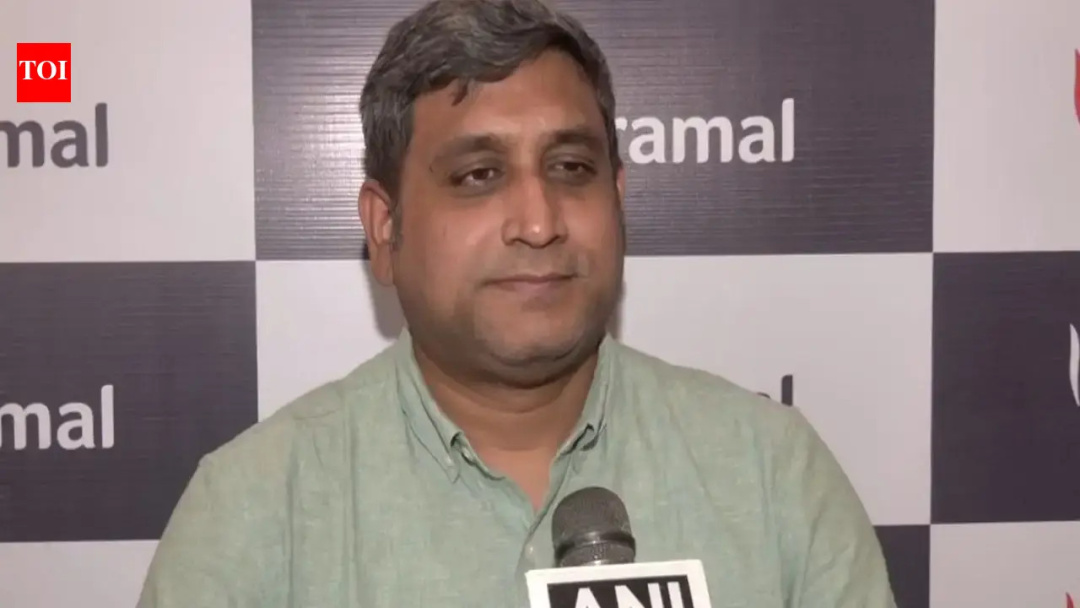
In September, India's retail inflation was largely consistent with the projections made by the Reserve Bank of India (RBI). Debopam Chaudhuri, Chief Economist at Piramal Finance, indicated that while the inflation figures did not show any unexpected surges, concerns remain regarding the potential impact of adverse weather conditions and elevated global crude oil prices on food and fuel prices.
Chaudhuri explained that the markets had anticipated a gradual rise in Consumer Price Index (CPI) inflation, with the latest data reflecting the RBI's expectations. He stated, "Looking at inflation in the September quarter, it is exactly at the rate the RBI had forecast. There is no indication of runaway inflation in the data, and I believe the central bank will continue with its existing approach."
Market Reading & Resources
Sponsor funding complete. Trade on.
However, he cautioned that unfavorable weather patterns, particularly those associated with El Niño, could exacerbate inflationary pressures in the coming months. The economist noted that this year's El Niño is one of the most severe since the 1980s, which could adversely affect both kharif crop output and the sowing of rabi crops, potentially keeping food inflation elevated for longer than anticipated.
Chaudhuri also highlighted the implications of high global crude oil prices for the Indian economy, noting that they contribute to an increased import bill and imported inflation. He mentioned that while intervention by the central bank and a possible weakening of the US dollar could provide some short-term relief, the inflationary impact of expensive crude oil may take longer to subside. Businesses are likely to gradually pass on higher input costs to consumers, which could sustain inflationary pressures across the economy.
Urban and Rural Inflation Trends Impact Consumer Behavior
The economist pointed out that rising inflation in rural areas could negatively impact consumer spending, while urban consumption is expected to grow at a faster pace. He attributed this divergence to the differing effects of inflation on rural and urban households, predicting that urban spending will outpace rural spending due to these disparities.
Monetary Policy Outlook Amid Economic Growth Projections
On the monetary policy front, Chaudhuri anticipates that the RBI will maintain its current interest rates during its December meeting, as inflation remains broadly in line with the central bank's projections. He does not foresee another rate hike in December but expects the RBI to consider a gradual tightening of monetary policy in the following months, with potential increases of 25 basis points each in February and April.
Despite the challenges posed by adverse weather and higher import costs, Chaudhuri remains optimistic about India's growth prospects, projecting an economic expansion of approximately 6.9 percent in the financial year 2026-27 (FY27). He stated, "Overall, I think the growth rate in FY27 should be close to around 6.9 percent."