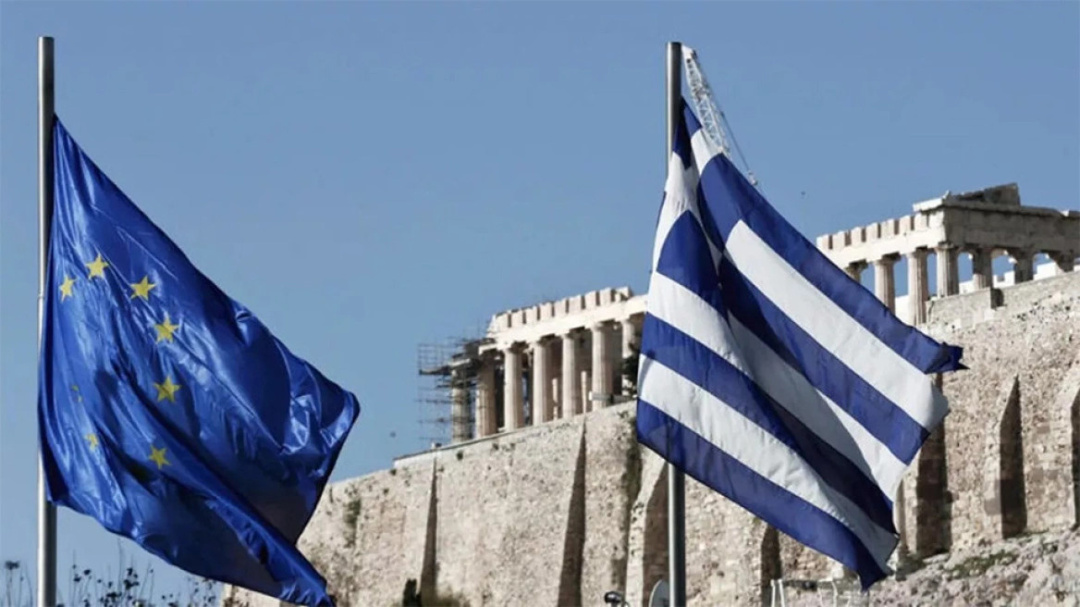
IMF Projects 1.8% Growth for Greece in 2026 Amid Rising Inflation
The International Monetary Fund (IMF) has released its economic forecasts for Greece, projecting a growth rate of 1.8% in 2026, which is nearly double the expected average growth for the eurozone. The IMF also anticipates that this growth rate will remain stable into 2027. In contrast, Greece's finance ministry has a slightly more optimistic outlook, expecting GDP to expand by 2% in 2026 and 2.3% in 2027.
Inflation continues to be a pressing concern for the Greek economy. The IMF has revised its inflation forecast, now predicting it will rise to 4.2% in 2026, an increase from the previous estimate of 3.5% made in April. This inflation rate is significantly above the European Central Bank's target of 2%. The IMF also expects inflation to ease slightly to 3.6% in 2027.
Market Reading & Resources
Sponsor funding complete. Trade on.
The draft budget from Greece's finance ministry projects that the harmonized index of consumer prices will increase by 3.6% this year, before slowing to 2.4% in 2027. In comparison, the eurozone's inflation is forecasted to be 3.1% this year and 2.8% in 2027.
Greece's Unemployment Rate Projections
Unemployment in Greece is expected to decline, although at a slower pace than previously thought. The IMF forecasts the unemployment rate to be 8% this year, slightly higher than the 7.4% predicted in April, and to decrease to 7.6% in 2027, compared to an earlier estimate of 7.1%. This outlook is more optimistic than that of the finance ministry, which anticipates an unemployment rate of 8.4% this year and 7.9% in 2027.
Economic Outlook and Challenges
The IMF warns that rising energy costs and the import of more expensive fuels will negatively impact Greece's current account balance. The organization expects the deficit to widen from 5.7% of GDP in 2025 to 6.6% in 2026, with only a partial narrowing to 5.9% of GDP in 2027.
As Greece prepares its draft budgets for the coming years, the economic forecasts from the IMF highlight both growth potential and significant challenges. The anticipated growth rate, while promising, is tempered by the ongoing issues of inflation and energy costs that could hinder economic stability. Policymakers will need to navigate these complexities to ensure sustainable growth in the years ahead.